When you think about how big businesses get started, what do you imagine?
A high-powered boardroom, with a Lord Sugar figure presiding over affairs? Tycoons sat in a loft conversion, deciding whether they’re in or out with their investments?
How about in a student house, spare bedroom or on the kitchen table?
Some of the UK’s most recent business success stories began in modest surroundings before going on to be national and international successes.
BBC Bitesize explores some of the bedroom businesses that went big.
Classic Football Shirts
It began in a student house in Fallowfield, Manchester and led to a business worth tens of millions of pounds, that received investment from a Hollywood star and collaborations with David Beckham and Ian Wright.
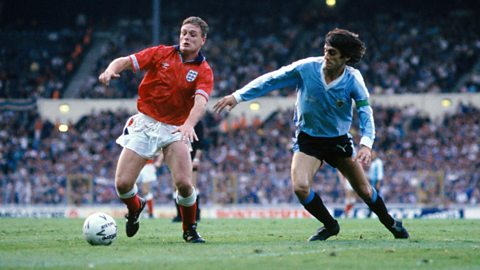
Classic Football Shirts began 20 years ago in 2006 with a student night out. Business management student Doug Bierton decided to go to a fancy dress party as Paul Gascoigne – and found a 1990 England shirt in a charity shop.
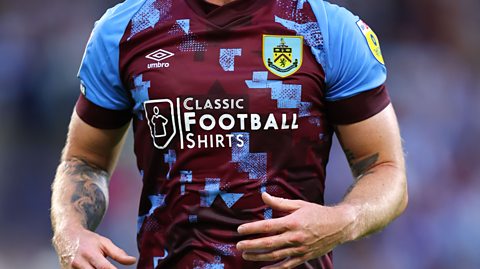
After snapping it up for £5, shortly after the party he listed the item on eBay and sold it for £50 – and an idea was born.
Doug teamed up with course-mate Matt Dale, a football and kit enthusiast – and after setting up a website, devoted their time to finding retro shirts for low prices, and selling them on for profit.
It began as a hobby, but quickly escalated into a business. Shirts were snapped up, private collections purchased – and the pair, who also got Doug’s brother Gary involved, soon found themselves overwhelmed by the volume of shirts they’d acquired.
They moved to a warehouse near Manchester City’s stadium in 2011, and traded up to an even bigger site in 2020. After a series of pop-ups, their first permanent store opened in Manchester in 2018 and they now have retail sites in London, New York and Los Angeles as well.
The team also caught some of the Hollywood vibes that Wrexham have enjoyed in recent years. Co-owner Rob Mac visited the Manchester store and was so impressed, he later invested in the business alongside others including USA’s two-time Women’s World Cup winner Alex Morgan.
Following investment, the business is said to be worth tens of millions of pounds now – not bad for starting with a fiver on a 1990 Umbro classic.
Trunki
Pitching for investment can be a frightening prospect at the best of times. Now imagine doing it on tv and having one of your potential investors break your product.
It’s the stuff of nightmares and it happened to Rob Law on Dragon’s Den as he sought investment in his range of Trunki children’s suitcases.
A product design student, Rob took part in a luggage design competition at university. He was in a toy shop and was taken by all the ride-along toys available and wondered if he could combine in with a suitcase – to prevent children from being bored in an airport, dragging their bags behind them.

He set up a business in his flat and created Trunki, a ride-along suitcase, but struggled to find a place for it initially. Retailers couldn’t see where the idea fit – was it a toy or luggage – so he turned to Dragon’s Den for investment.
It couldn’t have gone much worse. One of the Dragons broke the suitcase strap and he left without a penny, but gained something much, much more valuable – public interest.
Viewers loved the idea. Kids liked the idea of riding around the airport and parents liked the idea of removing an element of stress from their holidays. Trunki started being stocked by major retailers across the country and went international – selling millions of cases in more than 100 countries worldwide.
Rob sold the business in 2023 for £12 million – not bad considering the Dragons called his suitcase idea worthless 17 years earlier.
Jo Malone
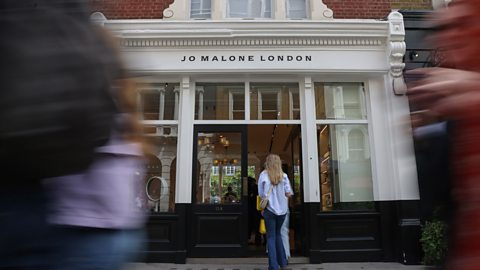
She’s responsible for creating one of the world’s most recognisable perfume brands – but Jo Malone’s beauty empire began on a kitchen table.
As a teenager, she started an at-home skincare clinic and would gift her clients a homemade body lotion or bath oil. When one customer bought 100 bottles, she thought she might have landed on a winning business strategy, but it’s fair to say it wasn’t on the cards for her throughout her childhood.
Jo grew up in a council house and left school early without any qualifications to care for her mother, who was ill. Her mum had worked in the beauty industry and shared some of the things she’d learned with her. Her father was an artist – but he also gambled away their meagre earnings, meaning Jo became the main breadwinner for the family at a very young age.
Jo is dyslexic, and while following formulas to make face creams with her mother, struggled to read the instructions. But while the words challenged her, she quickly realised that she had a heightened sense of smell and was able to navigate product and fragrance production with relative ease.
In 1990, she founded Jo Malone London and less than 10 years later, sold the business to Estée Lauder for millions of pounds.
After leaving the company which still bears her name in 2006, she founded her second fragrance business Jo Loves in 2011 – opening the first store on the site of a former florists where she’d worked as a teenager.
This article was published in January 2026

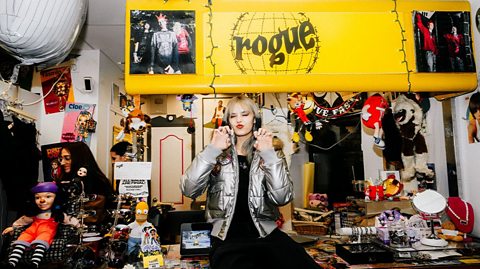
'I went from side hustle to hosting celebrities at my shop'
Rogue Garms founder on how her brand blending retail with content creation and community engagement, came about
Five of the weirdest taxes in the world
Ahead of the Autumn Budget, BBC Bitesize explores some of the stranger taxes from around the world - including beards, windows and cows