Are you someone who loves to hang around until the very end of the film to see what might happen after the last credit rolls on the screen?
They might just seem to be a bit of fun for the fans, but post-credit scenes often have a purpose. They could be priming the audience for an upcoming sequel, getting one last laugh from the crowd, or tying up any loose ends in the plot.
BBC Bitesize finds five movies that give you a real reason to stay in your seat long after the film has finished.

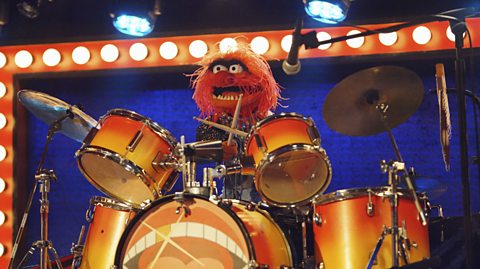
The Muppet Movie
The first post-credit scene is thought to have appeared after The Silencers, a spy parody movie released in 1966. Despite that, they weren’t popular or used all that frequently when The Muppet Movie was released in 1979.
So, the few audience members that were still in the cinema when the credits ended were no-doubt surprised to see the Muppet Animal, suddenly appear on the screen and say: “Go home! Go home! Bye-bye!”
It’s hardly the most ambitious, but it was new, hugely popular and started a trend that continued right through the 1980s and 1990s.
Post-credit scenes suddenly began appearing in movies as diverse as Airplane, Young Sherlock Holmes and James and the Giant Peach.
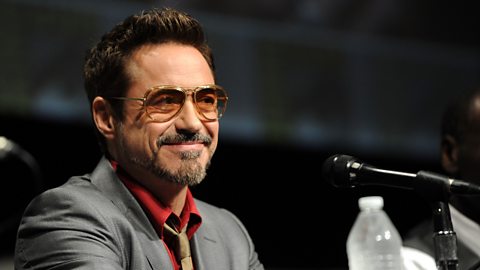
Iron Man
When you think of post-credit scenes in the 21st Century, the world of Marvel superheroes immediately comes to mind.
Iron Man in 2008 was the beginning of the Marvel Cinematic Universe (MCU) and kicked-off the tradition of the comic book adaptations always delivering something extra at the end.
After the credits have rolled, Iron Man/Tony Stark goes back to his futuristic home only to find a mysterious figure named Nick Fury (played by Samuel L. Jackson) waiting for him in the shadows. Fury tells Stark that he is a representative of S.H.I.E.L.D., an agency that deals with national and global security, and adds: “Mr. Stark, you’ve become part of a bigger universe. You just don’t know it yet.”
In just a few seconds, the scene set up The Avengers Initiative and a whole series of future Marvel movies.
Since then almost every MCU film has had a post-credit scene, and the tradition doesn’t look like it’s going to die out anytime soon. The scenes have varied from big teases of new characters (such as Harry Styles' Eros in Eternals or Brett Goldstein's portrayal of Hercules in Thor: Love and Thunder) to previews of the next films in the series - or even the occasional trolling, such as Captain America's appearance at the end of Spider-Man: Homecoming to effectively admonish the audience for sitting through the credits for nothing.
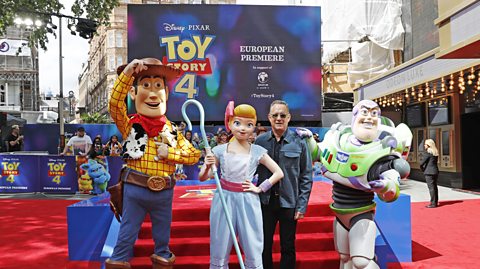
Toy Story 4
While some post-credit scenes are either just a little bonus for the fans, or a set up for a sequel, sometimes they are more ambitious and tie up plot strands from the preceding film.
One of the most effective is in 2019's Toy Story 4. The film followed character Bonnie as she started kindergarten, the feelings she encountered and of course, the beloved toys that were handed to her from Andy at the end of the previous film.
Toy Story 4 finished with Woody deciding to leave Buzz, Jessie and the gang for a life on the road with Bo-Peep, seemingly bringing the franchise to a permanent conclusion.
In a bittersweet ending, studio Pixar softened the blow for fans with a series of mid and post-credit scenes in which we see Woody enjoying his new life and the rest of the gang welcoming a new character - potentially paving the way after all for a fifth instalment?.
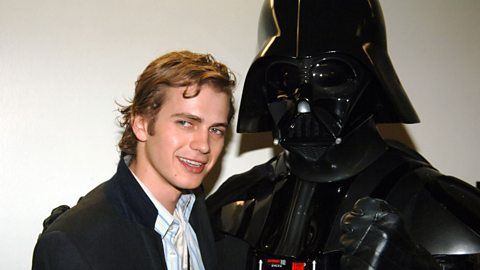
Star Wars: The Phantom Menace
Director George Lucas showed that post-credit scenes could be inventive as well as effective. To tease the next movie in the series he used an unusual post-credit scene for Star Wars: The Phantom Menace in 1999.
The film, the first in a trilogy, begins the story of the transformation of young Anakin Skywalker into the franchise’s most infamous villain - Darth Vader. Since the film only covers Anakin’s life as a young boy, we don’t ever get to see Vader’s terrifying mask or flowing black cloak.
But we do hear him. After the credits have rolled, audiences are treated to a black screen and just the sound of Vader’s trademark scary breathing. It’s a clever way of giving audiences just a taste of one of their favourite bad guys, and foreshadowing young Anakin’s tragic fate in the subsequent movies.

Ferris Bueller’s Day Off
In Ferris Bueller’s Day Off the titular teenager often breaks the fourth wall, turning to the camera and talking to the audience directly. And he continues the habit after the credits have rolled, approaching the screen and saying: “You still here? It’s over. Go home!”
It's a post-credit scene that is also a homage, as it pays tribute to The Muppet Movie which had started the popular trend in the first place.
More importantly, it could have a claim to being the most influential post-credits scene in history, and all because of a teenager who saw and loved it at the time.
Watching the scene back in 1986 was Kevin Feige, who later became the president of Marvel Studios. “It was the greatest thing in the world,” Feige later told Entertainment Weekly in 2018. “I thought it was hilarious! It was like a little reward for me for sitting through the credits.”
No wonder then that Feige's MCU films have all featured post-credit scenes.
This article was published in March 2026
Blast from the past: TV shows that came back from the dead
BBC Bitesize explores some of the programmes that returned to our screens long after they disappeared

The consoles that changed gaming forever
Across more than half a century of home-gaming, BBC Bitesize explores the history-making games consoles

The Muppet Show: Things you didn’t know about The Muppets
Ahead of the star-studded return of The Muppet Show, BBC Bitesize explores the history of Kermit, Miss Piggy and the gang