You’ve heard it all before: Gen Z see more of their phone screen than their own family, Generation Beta are only just getting going and as for millennials, they’re lazy and obsessed with avocados.

But what do these different labels actually mean, and do the stereotypes attached to them contain any grains of truth?
Dr Alexis Abramson, an expert in what are known as ‘generational cohorts’, says we define generations because “when you are born affects your attitudes, your perceptions, your values, your behaviours”.
This suggests that each of them has their own characteristics, so let's take a look.

Generation Beta: The next generation

Soon, the new kids will be on the block - 2025 marked the arrival of Generation Beta with babies born from 1 January 2025 onwards belonging to this new generation.
Named by social researcher Mark McCrindle, following the Greek alphabet from Alpha to Beta, it’s estimated that by 2035, they’ll make up 16% of the global population. Many of this generation are expected to live to see the 22nd Century.
There’s not much that can be said about them yet, they’re too busy learning to crawl and eat solid food, but it probably won’t be long before Gen Beta are hitting the headlines as much as millennials are today.
Generation Alpha
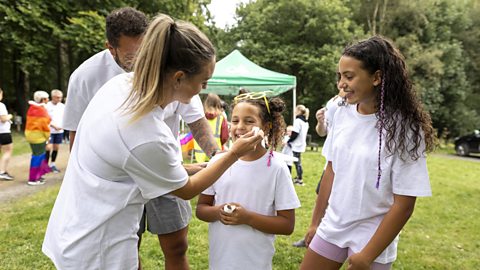
Due to start joining the workforce in the coming years, Generation Alpha was also identified by researcher Mark McCrindle. They are young (the first will have been born in 2010) but they’ll eventually become a very large cohort in their own right.
While not specialising in this group, Dr Abramson predicts they’ll be family-oriented (as their parents will be Gen X and millennials, who she says are very engaged as parents) and more digitally savvy than any generation that comes before them.
She also thinks this might be a generation where these labels start to lose some of their usefulness, adding: “They are going into a whole new world where we’re not labelling as much - we’re not saying ‘they’re female and they’re male’, ‘they’re black and they’re white’, ‘they’re gay and they’re not’… it’s becoming more of an open society.”
Generation Z
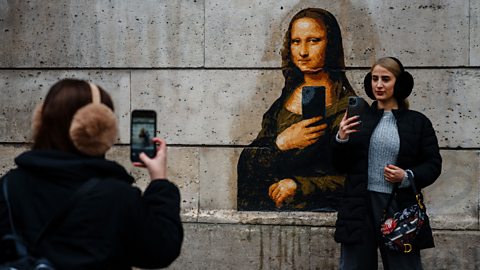
There are a few conflicting ideas about where this generation starts. Pew Statistics says 1997, Statistics Canada says 1993, and the Resolution Foundation says 2000. Wherever it really begins though, we can safely say this group is young, and has never known a life without tech. That might be why their alternative name (coined by American psychologist Dr Jean Twenge) is iGen. Some of their characteristics include:
- ambitious
- digital-natives
- confident
Millennials (aka Generation Y)

This is the cohort you’ve probably heard the most about. It’s not entirely certain where the generation starts and ends, but it’s approximately those born from 1980 to 1995.
They’re often described as ‘lazy’ in the media and that they spend all the money they should be saving for a house on avocado toast, but they’re also the first generation to be “digital natives”, as Dr Abramson describes them.
She thinks this makes them extremely self-sufficient, as they no longer have to rely on others to solve their problems or teach them things - they have the internet for that. Other defining characteristics include:
- confident
- curious
- questioning authority - Dr Abramson thinks that this can be perceived quite badly by some of the older generations, who would be less likely to do so
Generation X
The Resolution Foundation thinktank defines Gen X as those born between 1966 and 1980. They grew up in a time when technology was advancing fast, but it wasn’t nearly as readily available as it is today. Because of this, this generation straddles both the digital and non-digital world, and understands the importance of both. Dr Abramson says these people are:
- resourceful
- logical
- good problem-solvers
Baby Boomers
This is the only generation that’s been defined by an official government body: The US Census Bureau (which is part of the United States’ Department for Commerce and is responsible for collecting data from across the USA). They’re so named because of the huge surge of births after World War Two.
The group starts in 1946 and ends with those born around 1964, when the birthrate began to decline again. Dr Abramson says boomers are:
- committed
- self-sufficient
- competitive (she thinks this may have something to do with how many of them there were)
The Silent Generation

This is the first defined generational group. It refers to those born between 1926 and 1945, so these are people who lived through World War Two. The name comes from an article in Time Magazine from the 1950s, and alludes to the fact that the children of this generation were taught to be seen and not heard. According to Dr Abramson, this group are:
- disciplined
- value-oriented and loyal
- interested in direct communication, so enjoy speaking in person as opposed to via technology
Same but different
The important thing to note according to Dr Abramson is that while these separations can be useful, at the end of the day we are individuals. It’s like with horoscopes: you may identify with one or two characteristics of being a Sagittarius or a Leo, but you won’t ever fit your star sign’s description exactly.
The same goes for cohorts, although as the stereotypes are given more prominence in the media, she notes that people in the different groups can “pigeon hole themselves into aligning themselves with those characteristics”.
What they can help us with, as Dr Abramson explains, is "so that we know how and when to work differently with a group”.
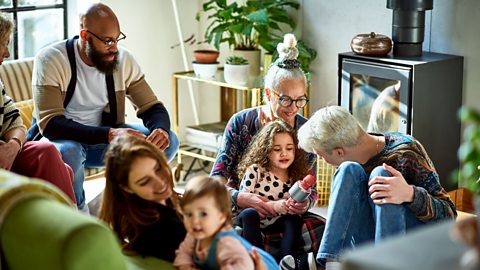
In other words, you wouldn’t treat a 60-year-old the same way you would a teenager, so having these cohorts gives us a rough idea of what different age groups might want and need.
Communication breakdown
Dr Abramson says the key difference between all of these cohorts are the different methods of communication they use. Where the silent generation and baby boomers had to rely on face-to-face relationships and are as a result more “engaged” in their real-life communities, the younger generations have social media for that, and create their communities online instead.
These differences have led to some animosity between the groups, which Dr Abramson describes as a “chasm” in communication methods. She says it can be felt everywhere, for example in the workplace. It can be really frustrating for older generations if they’re used to asking someone a question in person, when younger generations prefer to just send a message.
But it can work the other way around too. Dr Abramson says that if a boss is struggling to understand tech that a young person finds easy, this can lead to immense irritation.
“The flip of this is younger people think older people are not adjusting to the digital world and to technology as quickly as they’d like them to, and are holding younger people back,” she explains.

Working together
The key to overcoming these differences, according to Dr Abramson, is that “the younger folks can teach the older folks something and the older folks can teach the younger folks something”.
She suggests “mentor-mentee relationships, downward and upward”. Historically it’s usually the older person holding the position of being a mentor. So for example, in a workplace an older person might take a young newbie under their wing in order to teach them what they know and give them a leg up in the organisation.
But in an age where people are growing up with tech that older generations are going to have to use, especially at work, that traditional approach needs to be chucked out the window, according to Dr Abramson. She adds: “I think it actually goes both ways now, because you have so much new and innovative products and services and deliverables out there that maybe people that have been working in an organisation for 20 years may not know.”
This article was published in September 2019 and updated in March 2026
The consoles that changed gaming forever
Across more than half a century of home-gaming, BBC Bitesize explores the history-making games consoles
Teenage dreams: The businesses set up and run by kids
BBC Bitesize takes a look at four young entrepreneurs and the stories behind their businesses

The actual meanings behind the names of things we use every day
Maybe you're a regular ChatGPT or emoji user - but do you know what their names mean?