A last-minute goal, a stunning catch, a new world record – when sporting superstars thrive on the biggest stages, you’ll often hear a commentator say that you couldn’t write a script for a moment like that.
It seems that Hollywood filmmakers agree - which is why they've taken inspiration from spectacular sports from around the world.
Blockbuster films based on iconic sporting moments have appeared on the big screen for decades – retelling incredible stories, often with a little movie magic thrown in as well.
BBC Bitesize takes a look at some films based on real sporting events

Cool Runnings
“Feel the rhythm, feel the rhyme, get on up, it’s bobsled time!”
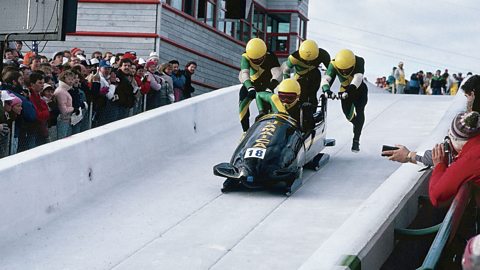
The familiar pre-race cry of the fictional version of the Jamaican bobsled team in Cool Runnings lives long in the memory. While the film is loosely based upon their story, it was deliberately an inaccurate version of events.
The film tells the story of a champion sprinter who misses out on a place at the 1988 Summer Olympics and tries to enter the Winter Games with his friend, a street pushcart racer.
The pair face animosity from Jamaican officials and once in Calgary, Canada for the Games, are shunned by all of their rivals – eventually winning their respect.
In reality – most of this didn’t happen. The Jamaican Olympic Committee were persuaded to attempt to take part in the bobsleigh based on the country’s rich heritage in sprinting events and they backed the plan wholeheartedly.
They struggled to attract athletes so signed up members of the Jamaican military to compete. The team were welcomed by bobsleigh and Olympic officials as well as their competitors and were backed by supporters in Canada.
The team did crash on their final run at the 1988 Olympics as in the film – but it was only on the big screen that their rivals paid tribute to them with the slowest hand clap the world has ever seen.
Moneyball
A film about baseball might not always find an audience in the UK, given it’s not one of our more popular sports.
Add in the fact that Moneyball is as much about analytics and data as it is about America’s Pastime and it might just make it an even tougher sell.
But the 2011 movie about the Major League Baseball (MLB) side, the Oakland Athletics, brought the sport to cinemas with an emotional portrayal of their 2002 season.
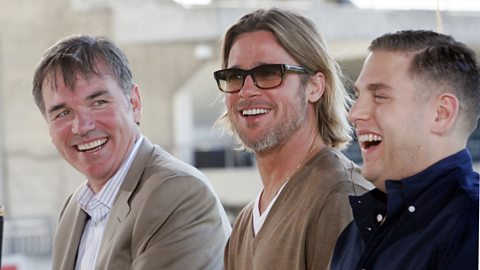
Much of the film accurately reflects what happened in ballparks that season. The Athletics had a much smaller budget than many of their MLB rivals and general manager Billy Beane (played by Brad Pitt) worked with his staff to introduce a new approach to player recruitment.
Instead of going for big stars, Moneyball showed how the Athletics found undervalued players who consistently delivered the right numbers to build a competitive team.
The Athletics set a 20-game winning streak in the 2002 season – a record at the time. The film mostly gets the facts right about the campaign, but adds a little more animosity from within the club for the data-driven approach. The team's coach is portrayed as being against the Moneyball techniques whereas he was broadly in favour of the methods.

Fighting with my Family
While some will say Fighting with my Family doesn’t count as a sports film because of the pre-determination in wrestling’s bouts – the actions and abilities of the wrestlers on display are definitely athletic enough to be included.
Fighting with my Family is based on the true story of the Norfolk-based Knight family and the wrestling shows they put on across the region. The family’s daughter, Saraya (played by Florence Pugh), ultimately gets signed by World Wrestling Entertainment (WWE), renames herself as Paige and goes on to win a world title in her main roster debut.
So far, so accurate – but as you might imagine from the world of sports entertainment, several liberties are taken with the truth.
The film puts Dwayne ‘The Rock’ Johnson at the centre of Paige’s journey – interacting with her at her tryout and letting her know she’d make her debut. In reality – The Rock wasn’t a part of WWE at the time Paige signed and they didn’t meet until he became executive producer on the film.
The other wrestlers Paige trains with, and the animosity they all have for each other was also made up – but the spectacular debut title win was played off as fairly accurate.
Eddie the Eagle
If we can say one thing for certain about movies based on real sporting events, it’s that underdog tales from the 1988 Winter Olympics are box office gold.
Following in the footsteps of Cool Runnings, the film Eddie the Eagle tells the story of an unfancied athlete winning the heart of the world on the grandest stage.
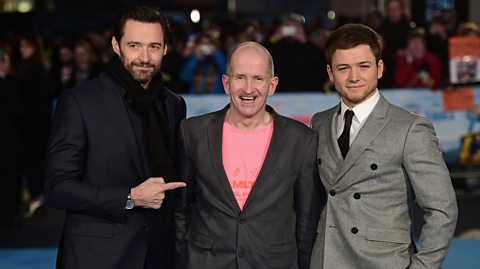
Based on the life of British ski jumper Michael ‘Eddie’ Edwards and his attempt to compete for his country at the Olympics, the film takes a few liberties with the truth.
While Edwards himself says it’s 80% accurate – he’s always been keen to point out that he didn’t miss the opening ceremony after a heavy night out.
His coach in the movie is also fictitious. Hugh Jackman portrays Bronson Peary – a character entirely made up for the film.
The film does show Eddie compete and finish last in both distance jumps. In the movie, it’s suggested Eddie only takes the bigger jump to prove himself, whereas in fact, he always intended to enter both events. In reality, officials attempted to get Eddie to withdraw from the 90m jump over fears he’d embarrass the sport – but Eddie competed, and set a new British record in the process.
This article was published in March 2026
Blast from the past: TV shows that came back from the dead
BBC Bitesize explores some of the programmes that returned to our screens long after they disappeared

Wait for it: Five movies that feature post-credits scenes
BBC Bitesize takes a look at famous post-credit scenes in films
Famous Easter eggs in games and films
Explore some of the references and secrets hidden inside your favourite films and games