In the UK, disappointment has become a daily forecast.
A 2025 Met Office study found that 79% of people surveyed checked the weather forecast every day and we often trust what we see and read when it comes to warnings about wind, rain, or extreme weather.
But there’s also plenty of speculation on socials, with some questioning how reliable and trustworthy the apps really are.
After a very wet start to 2026, BBC Bitesize Other Side of the Story has shook its brolly at some of the claims made on socials about rain. Which are real - and which are just plain soggy conspiracies?
Has it really rained every single day in the UK this year?
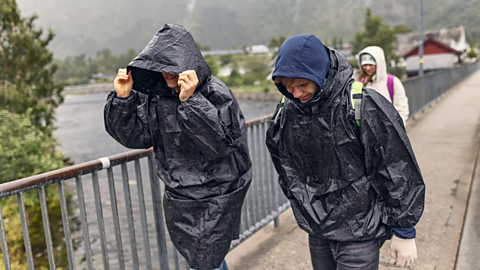
Yes, it’s true. According to the Met Office, locations such as North Wyke in Devon, Cardinham in Cornwall and Astwood Bank in Worcestershire have recorded rain on every single day of 2026 so far, with some areas logging more than 40 consecutive wet days.
Nationally, January delivered rainfall totals far above average, with regions in southern England and Wales seeing up to 50% more rain than normal for the time of year.
Are weather apps influencing when we go outside?
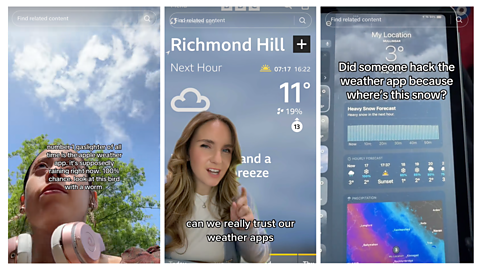
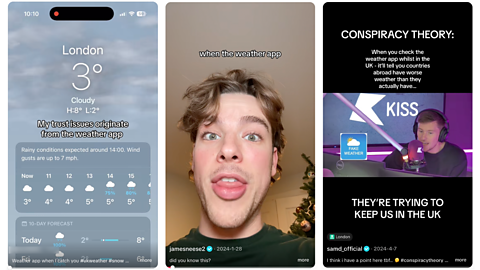
Many users have taken to social media to question how and why weather app forecasts are produced. One user claimed, “I think maybe the government has just said, oh yeah say it’s raining keep them indoors for a bit”.
Others have speculated the exaggerated rain forecasts reduce travel, limit public gatherings, or even encourage people into spending more time and money indoors. On air, KISSFM presenter Sam Darlaston joked the constant prediction of bad weather is used to dampen demand for overseas holidays, encouraging people to holiday at home instead, “I think they’re trying to keep us here in the UK”.
Despite the claims circulating online, there is no evidence to support any of these theories.
Aidan McGivern, a senior presenter at the Met Office explained that the team publishes accurate forecasts across multiple social platforms throughout the day. He added that even if people are sceptical of information from other weather apps, “people of all ages can access trustworthy information, especially in times of severe weather.”
Is the UK weather natural or man-made?
Another theory gaining traction online claims that the sheer volume of rain this year isn’t natural at all but the result of government experimentation with the weather.
Social media speculation around cloud seeding has led some to believe the UK is deliberately creating or manipulating its own weather systems. Comments circulating online include claims such as “they’re trying to make money out of you” and “they’re trying to take away your natural vitamin D,” tapping into wider fears about health, control and transparency.
Such videos have faced criticism for spreading misinformation, with experts stressing that recent extreme weather is linked to a changing climate and not a conspiracy theory.
McGivern responded, telling us: “topics such as weather modification and information designed to discredit weather observations are seen regularly on social media. Much of this information is incorrect or ‘cherry-picked’ to support a particular inaccurate viewpoint."
Why is everyone obsessed with the weather on social media?
The hashtag #weather has been used in more than 6.2M posts on TikTok, so it’s comes as no surprise the weather apps have found themselves at the centre of a social-media storm.
Back in 2024, forecasts began trending on TikTok after users realised many of us had been misunderstanding them all along. TikToker James Neese posted a video explaining a common misconception about rain forecasts. His clip which racked up more than 66k views revealed that the percentage shown on weather apps doesn’t mean how likely it is to rain, but rather how much of your local area is expected to experience rainfall.
Opening the video with the line, “Am I the only one?”, Neese struck a nerve. Viewers flooded the comments with disbelief, with one user writing, “Why does TikTok teach us more than school?” while another joked, “THE WEATHER APP FOOLED ME 😭😭😭😭”.
Met Office spokesman Grahame Madge disagrees. He told BBC Bitesize: “The percentage rainfall is a statement of how likely it is to rain. For example a 50% probability of rain shows that half of the individual forecasts show rain for a particular time and location.”
Can we trust weather apps?
The short answer is that weather apps are usually reliable for short-term forecasts, with temperature and rain predictions often accurate for the next few days.
To avoid misinformation or confusion especially during unsettled weather, it’s best to stick to trusted, well-established apps such as the Met Office and BBC Weather, which use official data and expert analysis.
McGivern explained, “Many people receive weather updates through third-party, user-generated content and media articles on social media, which may shift their perceptions of the accuracy and reliability of the forecast.” Add confirmation bias into the mix, where we tend to believe forecasts that match what we’re already expecting and it’s easy to see how things can get confusing.
How to know if an app is reliable?
If you’re unsure whether an app is trustworthy or not? Try these three quick ways to stay safe and informed.
Check your source: Stick to apps from trusted developers and always read reviews carefully. Be cautious if reviews are overwhelmingly positive but seem generic or fake.
Review permissions and privacy policies: A trustworthy app should only ask for permissions necessary for its function. Only give access that makes sense. A weather app doesn’t need to access your contacts or microphone.
Cross-check info: Before trusting critical information, cross-check with official or reputable sources. For weather, compare the app’s forecast with the Met Office or BBC Weather. For banking, use your bank’s official app and for health, check NHS or verified health organisations.
This article was published in February 2026

Not sure if the news you’re seeing on social media is true or false? Can you always tell if the things you see online are real or fake? Learn how to get the other side of the story with our quizzes, videos and explainers.