11.5 million people belong to a gym in the UK, according to UKActive, the trade body for most of Britain’s fitness operators. The benefits for adults are well documented - but what about for teens?
Experts say children and young people should average at least 60 minutes of sport or moderate exercise every day to benefit both physical and mental health. One initiative offering a welcoming space for young people to hang out and exercise are junior gym sessions, run in council-funded leisure centres across the country. BBC Bitesize went to visit one, where personal trainers (PTs) are always on hand to show young people how to use the cardio machines and resistance weights safely.

Hannah: I like to come to the gym after school with my friends so I can do cardio and exercises to help with my sport, as well as build my overall strength and fitness.
Sara: For us, we have certain health outcomes that we focus on and that we concentrate and put our efforts into, and our juniors are a key area for us to get, get active, to get moving. So we brought about the junior gym. We know that young people, they have a real, more of a focus on their health and well-being, their fitness, their mental, their mental state.And the junior gym is there for them to come and work out safely in a safe space with our sort of expert PTs here, and that they can come and get those benefits of exercising.
Jess: I started coming here once the gym reopened. I really enjoy coming to these sessions. I think it's great that there's an opportunity for juniors to come and enjoy the gym. It's really good. The PT's are really helpful in giving support.
Frank: I like going on the treadmills a lot to improve my stamina, agility and footwork for football.Seb: I like coming to the gym after school because it helps to do something and not just be on my device all the time.
Charmaine: Most of the time, the juniors will go on the treadmills to start-off a bit of a warm up to get their blood pumping for a bit, and then afterwards they will probably go on like the track or some weights. Kettlebells.
Katie: When the kids come to the gym, we make sure that they have the orientation and if we ever see them doing anything wrong, we make sure that they're doing things safely. So maybe going over it a few times with them.
Kyle: If someone says to me, how can I do this? I'll say to you, all right, let's do it this way. We'll do it a safe way. And another thing is what I love about the juniors in this gym especially or the juniors wherever is the creativity. The amount of times I've seen them say, oh, there's this machine, I can't use. So what they do is they come in here, they build their own little setup, obviously making sure it's nice and safe, and then they go from there, which is amazing. So creativity is a big, big part of this.
Sara: I think with social media, there's been a real push and a highlight on exercise and the benefits of it. Children and young people are thinking more about the benefits that aren't just about physical things. It's about your mental health. It's about clearing yourhead, de-stressing. We know how tough school is and all the pressures of things that happen in school, in your exams. And it's just, let's forget about that and focus on you for an hour.
Hannah: I'm in year 11, so when I'm revising for my exams, it's really helpful to come to the gym because you can get rid of some ofyour stress and also socialise with your friends.
Jess: I've learned lots more exercises that I didn't know before, and they've helped me improve and become more fit and healthy. It helps you feel more confident and better about yourself.
Sara: When you come to the gym here, we don't talk about weight and your appearance. We talk about getting stronger. We talk about getting healthy. We talk about sharpening your mind. Lifting correctly, and lifting the weights that are suitable for your age, then you'reonly going to get stronger and healthier.
Interviewer: Who's faster?Seb: MeFrank: MeSeb: NoFrank: YeahSeb: Definitely me
Hannah likes coming to the gym after school with friends to “do cardio and leg exercises,” which she says help with sport, “as well as build my overall strength and fitness”.
The gym in question is run by Trafford Leisure, on behalf of Manchester’s Trafford Council. Sara Whittaker is the Commercial Manager there. “We know that young people have a real focus on their health and wellbeing, their fitness and mental state,” she explains. “The junior gym is there for them to come and work out safely, in a safe space with our expert personal trainers and get those benefits of exercising.”
In Trafford, these sessions are open to young people aged 11-15 years. Year 9 Jess has been coming since last summer: “it's really good, the PTs are really helpful and give us support.”
Frank and his friend Seb are in Year 7, Frank goes on the treadmill to improve his “stamina, agility and footwork for football”. Seb says he enjoys coming to the gym after school because it means he’s not just on his devices all the time.
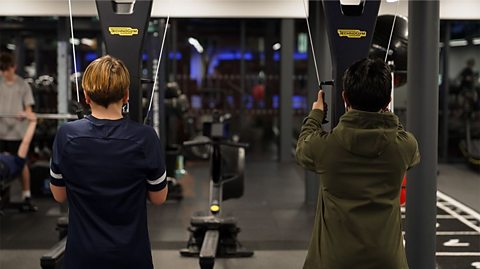
During these sessions specially trained PTs are always on hand. Charmaine Jones is one of them: “most of the time the juniors will go on the treadmills to start off, a bit of a warm up to get their blood pumping. And then afterwards they'll probably go on the track or lift some weights like kettlebells.”
“When the kids come to the gym,” says PT Katie Stanton, “we make sure that they're doing things safely, so maybe go over it a few times with them.”
All round benefits to coming to the gym
"I think with social media there's been a real push and a highlight on exercise and the benefits of it,” says Sara. She sees the juniors coming to the gym are focusing on more than just the physical effects of exercise, for them it’s about mental health as well. “We know how tough school is and all the pressures of things that happen in school and your exams. It's just let's forget about that and focus on you for an hour," she says.
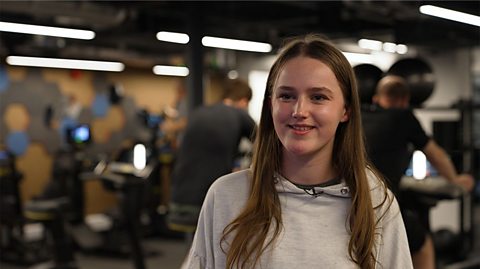
Hannah agrees: “I'm in year 11 so when I'm revising for my exams, it's really helpful to come to the gym because you can get rid of some of your stress and also socialise with your friends.”
Aware of pressures young people face around body image and appearance, Sara says they take a positive, inclusive approach: “when you come to the gym here, we don't talk about weight and your appearance. We talk about getting stronger, healthier and sharpening your mind. Lifting correctly the weights that are suitable for your age - you're only going to get stronger and healthier.”
You can search for junior gyms online or contact your local council to find out about sessions in your area. Expect to pay between £3.50 - £5 per session or some leisure centres offer a monthly membership for young people at around £25, no contracts required.
And if you can’t access a gym and want to try exercise for free? PT Katie suggests trying to work out at home or in the park. Her tip is to do body weight exercises like planks and push-ups or if you have access to a pull-up bar use that, sometimes you can find them in your local park. Katie’s other tip is to try running or “get involved with sport at school (college too) to get access to pitches and sports halls for free”.
This article was published in January 2026
How to survive and thrive out in the winter weather
We’re all told getting outside is good for us what ever the weather. We've tips from a mountain rescue leader, a sleep expert, a beautician and even a Postie

The ultimate Winter Olympics and Paralympics quiz
Do you know your stuff when it comes to sport on snow and ice? Take our tricky quiz to find out!
Do you know about the super powers that actually exist?
Ever wondered if super powers were real? BBC Bitesize looks at five real-life super powers that exist in our universe.