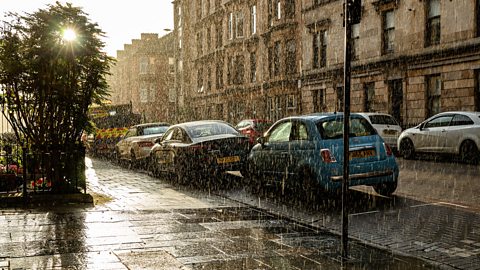
This time of year the average daytime temperature runs between just 1 and 7 degrees celsius in the UK, but with wind chill, some days it can feel well below freezing. We're told getting outside is good for us whatever the weather - but even when it's freezing? Really?
To help you brave the cold we've spoken to a mountain rescue leader, a sleep expert, a beautician and even a Postie to find out their motivation and tips for getting up and out there in the winter weather.


Why does light matter on dark mornings?
It’s a natural reaction to struggle getting out of bed on cold, dark mornings but there’s more to it, as Stephanie Romiszewski a sleep physiologist explains. “In winter, we’re not getting as much light. Light reduces our melatonin levels but without it, those levels are increased."
“Melatonin is the sleepy hormone, like an alert to your brain that it should start winding down and making you sleepy. If you’re starting to get all those signals at the wrong time of day, you’ll feel strange, but especially in the winter mornings when there is no light.”
Stephanie recommends that we try wake up everyday around the same time: “even if you had a bad night, or several bad nights, if you woke yourself up at the same time every single day, you would start to feel refreshed in the morning.” She explains your body then learns when to wake and your brain starts to understand when it is time to get up: “it would increase your cortisol (a stress hormone, but one that also controls our sleep cycles), reduce your melatonin and help you feel alert.”
To help reduce the melatonin levels even more, Stephanie suggests waking to bright light exposure, using lamps or lights, to make up for the lack of daylight coming through your curtains.
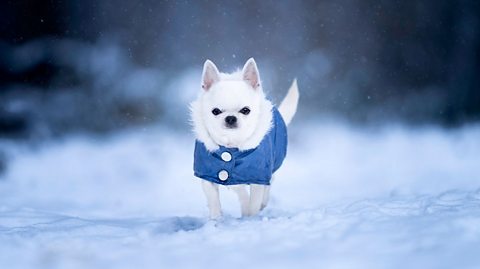
What should I wear to go outside when it's freezing?
“There’s no such thing as bad weather, only unsuitable clothing,” said the late, great British fellwalker and guidebook author, Alfred Wainwright.
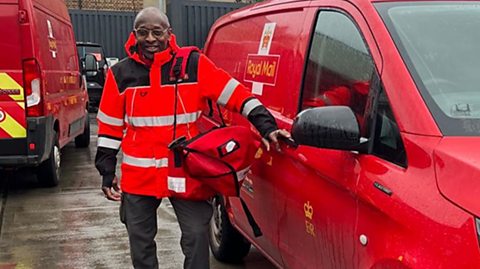
David Bostic has worked for Royal Mail for 40 years, based in south London. For his delivery shifts, he’s up at 4.20am: “my tip is to prep everything the night before so I can just roll out of bed, layer up, and get moving before I’ve got time to think twice.”
His winter uniform keeps him warm and dry and includes a thermal base top and bottoms and then their bright trusty storm jacket on top. Out on his round, keeping moving is key: “once I’m into my stride, the cold doesn’t bother me too much. A good pace, plenty of layers, and quick chats with familiar faces on the round keep me lifted through the coldest mornings.”
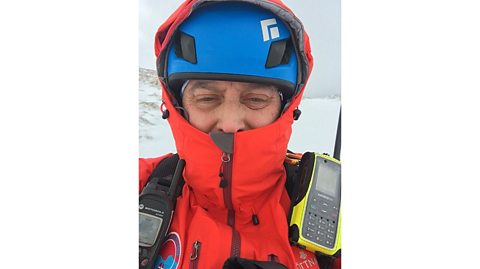
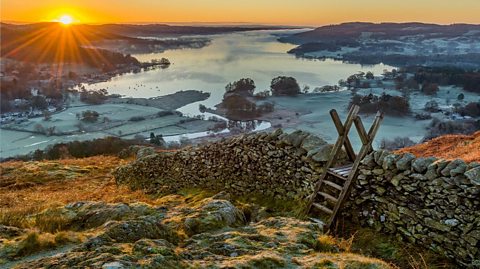
If you’re planning to be outdoors in the winter for longer than just getting to the train station or the shops, someone who has lots of experience being prepared for extreme weather is Nick Owen MBE. Currently a Operations Lead and Press Officer, Nick has volunteered with Langdale & Ambleside Mountain Rescue for 36 years.
Team members are always on call for possible emergencies, so their kit is ready to go at all times. The key, Nick says, is layers, “thin layers that trap warm air and clear sweat away, along with a good set of waterproofs”.
Because mountain rescue teams can’t predict the exact location or needs of a casualty, a single call out can take hours. Nick and the team have to be prepared for all eventualities so always pack extras: “a spare warm jacket for hanging around and emergencies, along with spare gloves and hats, charged phone, headtorch, and snacks.”

How to protect your skin the winter?
Being outside in the cold, wind and rain can irritate our skin. Add to that the sometimes dramatic change when we come inside to warm and dry centrally heated homes, schools and offices and skin might start to feel uncomfortable.
Cosmetic chemist Dr. Michelle Wong, author of The Science of Beauty, says protecting your skin’s natural barrier can help you stay comfortable in the winter, here are her tips:
- Avoid long showers - they wash away more of your skin's natural moisturising components, which can cause itching
- If your skin is itchy, try using gentle cleansers such as soap-free ones
- Water disrupts the skin barrier, so moisturise right after you shower to stop extra water loss
- Consider switching to a richer moisturiser. There are some studies that have found plant oils rich in omega 6 like sunflower and grapeseed oils may be beneficial for improving the skin barrier.

Can food help keep us warm in the winter?
Eating well and staying hydrated can boost both energy and mood in the winter.
You’ll have heard it before, but especially in the winter, breakfast is important to give you energy for the day ahead, especially foods like cereals, oats and wholegrain bread. These contain nutrients and fibre which give us energy and help keep us feeling fuller for longer. People who skip breakfast are more likely to snack on high-energy foods by break time. It can help improve concentration and metabolism too.
Cold weather can also make you feel less thirsty, but the dry air from inside heating and warmth from layers of clothes can lead to dehydration, sapping your energy. So it's important to keep your drink topped up, the NHS Eatwell Guide suggests we have 6 to 8 glasses of fluid a day, including sugar-free drinks.
Many foods, including fruit and vegetables, also contain water as well as great nutrients: yoghurt, apples, oranges, broccoli and carrots are 80 to 89 percent water. Tempting as it might be to reach for comforting high-fat foods such as pizzas, cakes and biscuits, they contribute very little water or nutrition. Plus high-salt foods like sausages, cheese and crisps may dehydrate you even more, as more water is required to remove the salt from the body.
Trying to eat a balanced diet to give you nutrients, healthy fats, protein and slow-release carbohydrates (oats, wholegrain bread and sweet potatoes). This will all help keep you energised, healthy and warm.
Try resist the chocolate to boost your mood too, opt for foods containing vitamin D which can support your body when there’s no sunlight to give you a lift. Oily fish, egg yolks and mushrooms are good sources of vitamin D – while milk (both cow’s and plant-based) and many cereals are also fortified with key mood-boosting vitamins.
What to do when you just can't face getting outdoors?
Motivation and frame of mind can go a long way in the cold. David says he loves being out and about on his postal rounds, even in the winter: “one very cold day, an older customer was struggling with her heavy shopping and I gave her a hand, she insisted it made her day. Moments like that remind me why I love it and knowing people rely on their mail arriving always gives me that extra boost too.”
Arranging something with a friend might also help. Nick told us “knowing that you’re physically and mentally prepared and you’re joining other volunteers in the same frame of mind,” is what helps him get up and go.
You might also get the chance to see or do something amazing. Nick told us he's seen shooting stars and A moonbow is a rainbow at night, created by moonlight refracted through water droplets in the air instead of sunlight. They’re rare and usually appear white as the light is too faint to activate cone colour receptors in our eyes but long-exposure photography can reveal subtle colours. The Met Office advise moonbows require a nearly full and low moon, a dark sky, and water droplets opposite the moon., that have lifted his spirits even on the coldest nights.
That can't happen every time though so Nick always has a back up: “a flask of hot Vimto and the knowledge that you might be saving a life."
And then Nick’s tip for warming up back at base? “Pie and beans and a good chat with teammates.”
This article was published in January 2026
Groundhog Day and other weather myths
There are plenty of urban legends about weather - but how true are they?

Top 10 rainiest cities in the UK. Do you live near one of them?
The UK is known for its wet weather, but where is the rainiest city in the UK? We take a look at Met Office data to find where it might be!