Here’s what you need to know if you’re prediabetic
A diagnosis of prediabetes can be scary, but making changes to your diet could have a big impact, say experts
Trigger warning: Please note, this article contains information and advice on rapid weight loss. This may be triggering. This should only be considered under the supervision and advice of a medical professional – such as your GP.
This article is focussed on prediabetes that precedes type 2 diabetes and not type 1 diabetes.
In the UK, one in nine adults is reported to have prediabetes, meaning they are at imminent risk of developing type 2 diabetes.
Having prediabetes essentially means that your blood sugar levels are higher than normal, although not as high as they’d be if you did have type 2.
Making lifestyle changes – including, crucially, to your diet – can not only prevent the development of type 2, but also rid you of prediabetes completely, says Esther Walden, senior clinical advisor at Diabetes UK.
“For some people, hearing [they’ve got] prediabetes can feel as though a diagnosis of type 2 diabetes is inevitable, but many people can reduce their risk.
“With the right support, up to 50% of cases of type 2 diabetes can be prevented or delayed by eating healthily, increasing activity levels and, if you are overweight, losing weight.”
How do you know if you have prediabetes?
Prediabetes can be totally symptomless, meaning it can easily go undiagnosed.
“Unfortunately, many people don’t know they have prediabetes unless raised blood glucose levels are picked up as part of a routine screening check-up,” explains Dr Amanda Avery, associate professor in nutrition and dietetics at the University of Nottingham.
Add to your iPlayer watchlist
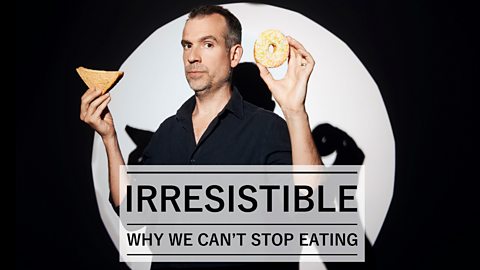
In this documentary, Dr Chris Van Tulleken explores how eating lots of ultra-processed food could lead to health issues – could that include prediabetes?
Can your diet cause prediabetes?
There are a few different factors that can determine your risk of developing prediabetes – everything from ethnicity and age to diet and weight are significant players.
“Insulin – a hormone produced in the pancreas – is instrumental in keeping blood glucose levels as normal as possible. If a person has excess weight, especially around their middle, this can make it more difficult for insulin to control glucose levels.
“Essentially, with increasing amounts of excess body fat, the cells become more resistant to the action of insulin. The body tries really hard to produce more insulin to counteract this effect, but it can only do this for so long.”
So, lifestyles and eating habits that lead to excess body fat can increase the risk of someone developing prediabetes.
Related stories
How to change your diet if you have prediabetes
“Everyone is individual, so there isn’t a ‘one-size-fits-all’ way of eating for everyone who’s prediabetic,” says Walden.
That said, certain kinds of diets – for instance, those that are high in fat with high-GI and low fibre – “are linked to an increased risk of type 2 diabetes.”
Here are four things to consider that research suggests could delay or even prevent the onset of type 2.
1. Lose 10% of your weight
Before you set out to lose weight, always check with your doctor. Ask if it’s likely your prediabetes is linked to your weight, and whether it’s safe for you to shed some pounds.
Prof Roy Taylor, doctor, researcher and author of the recently updated Life Without Diabetes, led the 2011 research which first proved type 2 disease can be reversible.
“For most people, losing 10% of your current body weight will correct the underlying problem, as it will empty out excessive levels of fat that have built up in the liver,” he explains.
“That achieves what would have been regarded as magic even a decade ago. The risk of going on to develop full-blown diabetes disappears – provided that the weight is not allowed to creep up again.
Crucially, what matters here is the proportion of your total weight that you lose.
“The concept of ‘obesity’ is not relevant,” explains Taylor. “An individual gets prediabetes when they exceed a ‘personal fat threshold’, which might be any level of excess weight.
Taylor’s point is that individual fat thresholds vary, so even people who aren’t classified as obese can still be at risk.
While experts normally steer clear of hard-to-maintain rapid weight-loss diets, Taylor says when it comes to prediabetes, they do have their merit.
“People differ, but bear in mind that the rapid weight loss method (800 calories a day) has repeatedly been shown to be successful in ridding people of type 2 diabetes (and it is the basis of the NHS Path to Remission Programme for type 2 diabetes).”
That said, it’s always important to make sure you’re still getting the nutrients you need.
Save these healthy Mediterranean diet recipes to your favourites
The Mediterranean diet is linked to weight loss and helping to improve blood sugar levels

2. Maintain your new (lower) weight
Some people find that a very low-calorie diet can help them lose a significant amount of weight quickly – but diets like this aren’t sustainable for very long. So, it’s important to find a way to keep the weight off that’s realistic in the long term.
Diabetes UK says that the Mediterranean diet, DASH diet, vegetarian and vegan diets, the Nordic diet and moderately cutting down on carbohydrates are all linked to reducing the risk of type 2 diabetes. And they are far more achievable than more drastic diets.
These examples are also still varied, fibre-rich and can be low-GI, which supports overall health.
3. Cut back on these ingredients
Studies link some particular foods and drinks to an increased risk of type 2 diabetes – so it is helpful to try to reduce these in your overall diet. Walden says these include:
Sugar sweetened drinks
They’re linked to weight gain as they’re often calorific but also unlikely to offer satiety and they can bring about blood sugar spikes which, over time, could impact insulin resistance.
Red and processed meats (like beef, lamb, pork, ham and sausages)
The World Health Organisation (WHO) has reported a link between excess red and processed meat consumption and an increase in type 2 diabetes.
Refined carbohydrates (like sugary snacks, white bread, sugary cereals)
Research has found that ‘high starch, low fibre and a high starch-to-cereal fibre ratio were associated with a higher risk of T2D.’ These are more commonly found in refined carbs because the processing frequently removes the fibre, leaving the starch ratio higher than in unrefined carbs.
Potatoes (particularly French fries)
Diabetes UK points out that frequent consumption of the humble spud could lead to a higher-risk of developing type 2 diabetes. This is believed to be because they have a relatively high-GI. One study found that ‘replacement of potatoes with wholegrains was associated with a lower T2D risk.’
4. Eat ingredients linked to a decreased risk of diabetes
“Research has shown us that the following foods and drinks can be associated with a decreased risk [of developing type 2 diabetes],” says Walden.
Fruit and veg (including specifically green leafy veg, blueberries, grapes and apples)
A 2012 study found that both root veg and green leafy veg were linked to a reduced risk, while a 2013 study investigating whether certain fruits were linked to a reduced risk of developing type 2 diabetes found that blueberries, grapes and apples came out on top.
Wholegrains
There are several studies which highlight how increasing the amount of wholegrains in a person’s diet reduces the risk of type 2 diabetes. One 2015 study showed that three servings of wholegrain foods each day (45g in total) could decrease the risk of type 2 diabetes by 20%.
Save these wholegrain recipes to your favourites
Wholegrains come with plenty of health benefits including fibre and slow-release carbs

Yogurt and cheese
It’s been shown that a person could have a 5% less risk if they consumed dairy daily. This increased to 10% if the dairy was lower fat. A 2016 study also found that regularly eating yoghurt could lower the risk by 14%.
Unsweetened tea and coffee
Regular coffee drinkers (whether they go for caffeinated or decaffeinated) are associated with having a lower risk of type 2 diabetes, says one study. And another found daily cups of tea (they examined black, green and oolong tea) was associated with a lower risk of developing type 2 diabetes.
Don’t panic
Being told you’re prediabetic can be scary, but Avery urges anyone with a diagnosis to see it as an opportunity and motivator to boost your health and potentially even stop type 2 from developing altogether.
If overhauling your diet sounds intimidating or unrealistic, start with small, achievable steps, says Avery.
“Small dietary changes can make a huge difference, especially if it helps a person to achieve a healthier weight.”
If you are concerned about prediabetes and diabetes, help and support is available.
Want more? Visit BBC Food on Instagram, Facebook and Pinterest or watch the latest Food TV programmes on BBC iPlayer.