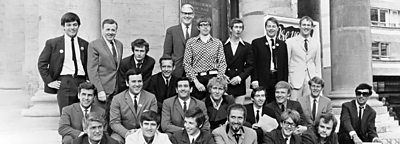
Image: The lineup of BBC Radio 1 and Radio 2 DJs in September 1967. Back Row: Tony Blackburn, Jimmy Young, Kenny Everett, Duncan Johnson, Robin Scott (Controller R1 & R2), David Ryder, Dave Cash, Pete Brady and David Symonds. Middle Row: Bob Holness, Terry Wogan, Barry Alldis, Mike Lennox, Keith Skues, Chris Denning, Johnny Moran and Peter Myers. Front row: Pete Murray, Ed Stewart, Pete Drummond, Mike Raven, Mike Ahern and John Peel.
On 30 September 1967 Radio 1 was launched. Pop arrived at the BBC. The Light Programme also changed into Radio 2, the old Third Programme became Radio 3, and the old Home Service emerged as Radio 4. So: was Radio suddenly being reinvented from top to bottom?
Radio Reinvented explores this seismic shift in BBC Radio, by opening up a unique archive of oral history interviews - from DJs through programme-makers to senior managers and politicians – and shedding new light on the inside story of this tumultuous moment in broadcasting history and how it changed radio more widely.
Curated by Emeritus Professor David Hendy and Dr Alban Webb, University of Sussex; with additional John Peel material by Ken Garner, Glasgow Caledonian University; timeline material by John Escolme, BBC History.
Part 1: The Pirates
For many, the arrival of pirates around the shores of Britain in the mid-1960s meant liberation from the tyranny of postwar mundanity. But, to what extent did this cultural rebellion against the established order deliver lasting change?

Part 2: Launch
On 30 September 1967, the pop revolution started by the pirates arrived at the BBC. So, what was happening behind-the-scenes on that tumultuous day? And would the sudden arrival of Radio 1 mark a profound and permanent change of direction in British broadcasting?
Part 3: Reaction
In the weeks and months after the launch of Radio 1, how did the listeners - and senior figures inside the BBC - react to the new service? Was it really going to provide a successful replacement for the pirates – and if so, at what cost to the BBC’s reputation?
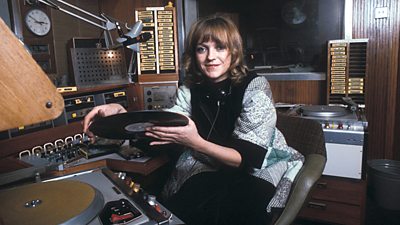
The DJ
How did the appearance of a new species of presenter – the Disc Jockey – at Broadcasting House influence the public image of the Corporation and its public service principles?