Survivor's plea to save eating disorder ward

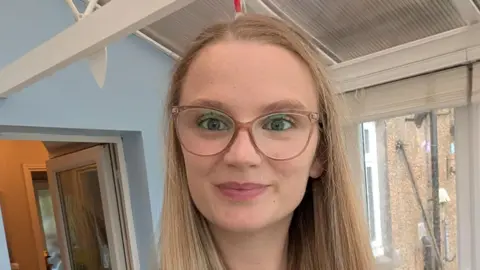 Beth Scott
A woman who was sent 130 miles away for inpatient treatment for anorexia as her only local ward was full has criticised an NHS trust's decision to close the service.
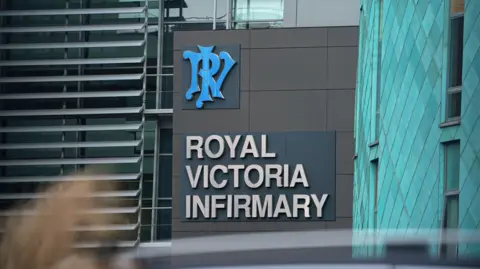
The Richardson Eating Disorder Service at the Royal Victoria Infirmary (RVI) in Newcastle, serving Tyne, Wear, Northumberland and north Cumbria, is to shut by 31 July, leaving Darlington as the nearest equivalent.
In 2017 Beth Scott, who lived in Alnwick, was sent to Glasgow for treatment because the Newcastle ward was full. "That admission saved my life," she said, but left her "beyond isolated".
Health bosses said a consultation is under way but the ward was closing because the hospital needed to expand emergency care facilities.
The specialist service treats adults from across the North East and Cumbria who usually stay between three and four months.
Cumbria, Northumberland, Tyne and Wear Foundation Trust (CNTW) said the ward's closure did not necessarily mean it would not provide such inpatient care in the future, but it was too early to know what its plans were.
It is currently undertaking a consultation over the long-term future of its adult eating disorder services and a spokesperson said: "The engagement process will help us work towards a sustainable model for future services."
 PA
PAScott, who now lives in Berwick, said she had basically stopped eating and drinking in 2017 and was told she needed 24-hour inpatient care.
"My mum went through hell," she said.
At the time, however, the RVI ward was full so she was sent to Glasgow where she spent about four months.
She said being so far away from friends and family during the treatment caused her severe anxiety, depression and left her feeling "beyond isolated".
"This really impacted my recovery and made everything so much worse for me and at points unbearable," she said.
Nevertheless she said her stay in Glasgow saved her life.
"I was beyond help and I did not want help and I needed that more structured environment where I could not get away with things I was getting away with at home," she said.
Scott said the 24-hour care, supervised meal times and the therapy she received at the ward led to her recovery.
But she believes the loss of the RVI ward will massively affect some of the most vulnerable people across the region.
"We need more inpatient units and help for these people not less," she said.
Since recovering from the eating disorder she now has three children.
"My kids saved my life - hence why I called my first daughter Hope," she said.