Police to be set 15-minute response target for some 999 calls

 PA Media
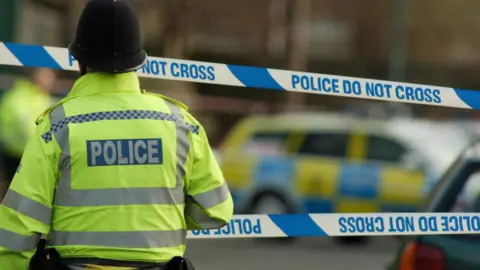
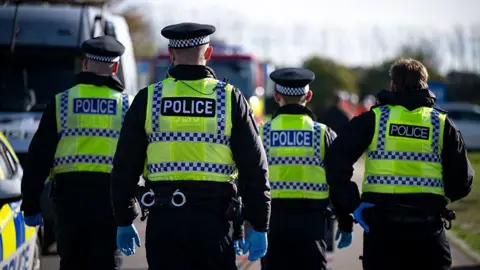
Police in England and Wales will be given targets to respond to emergencies within 15 minutes in urban areas, and 20 minutes in rural areas, as part of a major overhaul to be outlined later.
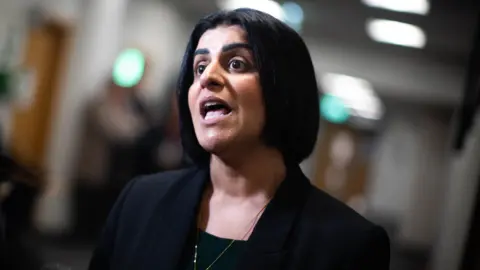
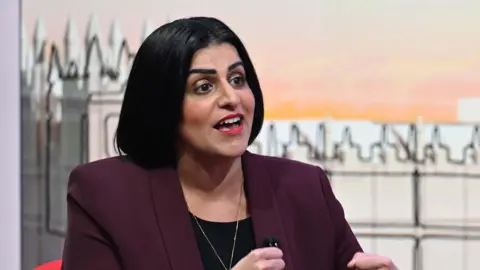
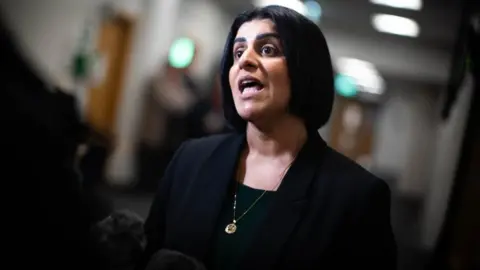
Home Secretary Shabana Mahmood will also pledge to get officers to spend more time on the streets, cutting "red tape" and "unnecessary admin" she says prevents them leaving their stations.
Mahmood said it was a response to an epidemic of "everyday crime", such as shoplifting and phone theft, which she said was going "unpunished".
Shadow home secretary Chris Philp said it was "hard to take Labour's promises seriously when they have stripped more than 1,300 officers from the front line in our communities".
The number of full time police officers fell by 1,303 in the year to March 2025, according to Home Office figures.
Mahmood said the new targets were needed because people were reporting crimes and then "waiting hours or even days for a response".
John Hayward-Cripps, chief executive of Neighbourhood Watch, said the response targets would be a "welcome step forward" towards the "basic expectation that police will respond when you report a crime".
Most forces already have emergency response targets, but the Home Office said there was currently no way of holding them accountable if they do not meet that standard.
Failure to reach the new targets would see the home secretary sending in experts from high performing forces to help improve response times.
Chairman of the National Police Chiefs' Council Gavin Stephens said that forces would not "obsess" about a target if they could not get to a call safely.
He told Times Radio that policing needed to change in response to a "whole range of threats", including cyber-crime.
The targets are part of the government's plans for major changes to policing in England and Wales.
Many of the changes have already been announced by the government in the run-up to Monday's announcements. These include:
- A new National Police Service to free up local forces in tackling everyday crime. The new service will take over responsibility for counter-terror, fraud and organised crime investigations
- Plans for every police officer in England and Wales to hold a licence to be able to continue working. They will have to prove they have the right skills in issues such as tackling violence against women and girls or face being removed from their job
- The number of police forces will also be reduced, cutting them from the current 43. No official figure has been given for what will remain, but police chiefs have been calling for the creation of 12 "mega forces".
Mahmood will also say she wants to change how staffing levels are funded amid concern the current 'officer maintenance grant' encourages some forces to employ uniformed officers in administrative roles such as IT or human resources.
Police Superintendents' Association President Nick Smart welcomed moves to modernise the police, but said the workforce had not been consulted on the new proposals.
"We represent experts in policing - the most senior operational leaders in our service - and it is essential our views are taken into account alongside those of chief constables and external advisers," he said.
Liberal Democrat home affairs spokesman Max Wilkinson said the government "must deliver" on its promises and "get more officers back onto our streets".