How a capybara 'craze' is helping a small wildlife park stand out near Alton Towers

 BBC
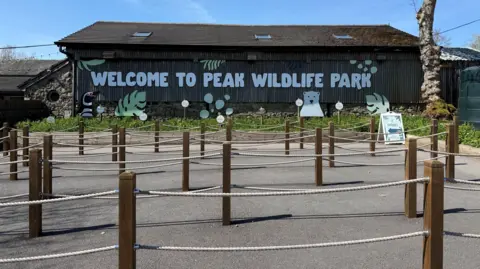
BBCWhat do you do when you are a small wildlife park on the doorstep of Alton Towers and not far from some potentially better-known animal attractions? You bring in the capybaras and polar bears of course!
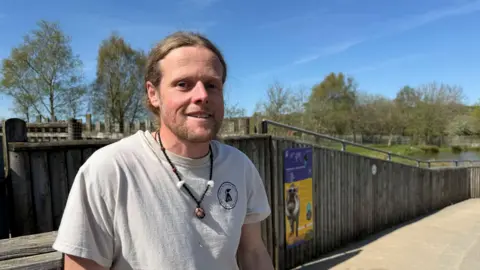
"They definitely brought a lot of new people in, and then word spread," said Becky Parsons, at Peak Wildlife Park in Staffordshire.
The site, near Leek, is 10 minutes from Alton Towers and within driving distance of places like Chester Zoo and West Midlands Safari Park so needs ways to draw visitors in.
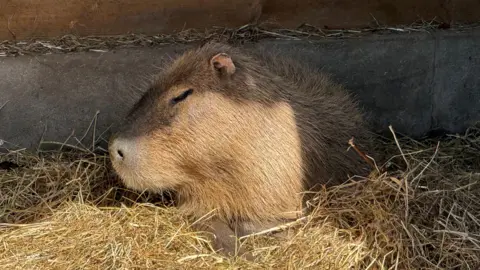
The craze for capybaras has been a big deal, staff admit, boosting visitor numbers at the park which is now adding 100 extra parking spaces to accommodate the influx of new visitors, with expectations of a busy summer.
It is one of those "nicer problems to have" and senior groundskeeper Sam Bailey, who has worked there for almost a decade, said he had never seen the park so busy.
 PA Media
He and his team would be responsible for providing the extra parking spaces and he said he had seen a lot of change in the time he has worked there.
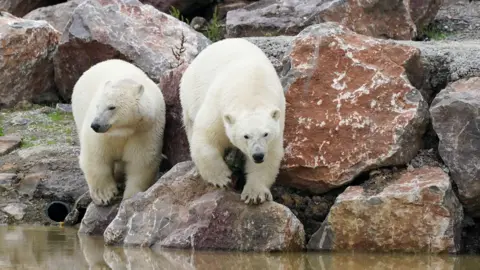
"The polar bear area, that didn't exist," Bailey said. "That's all changed, it was just fields."
As well as regular maintenance, grounds staff have also planted wildflowers to help ensure the park has something to see all around the park, even at times when the animals are hidden from view.
Some of the current craze for capybaras, according to zoo staff, can be traced to one famous residents of Shropshire.
Will Dorrell, owner of Hoo Zoo in Telford, said the escape of Cinnamon in September 2024 led to a huge increase in the animals' popularity.
"The craze has taken everyone by surprise," he said.
"Up until then they weren't the most popular zoo animal, but now they're one of those animals everyone wants to see."
He said it was similar to when meerkats were at the height of their popularity with the public.
He added that capybaras already had a big following in Asia, so it was perhaps inevitable that this would make its way to the UK.
Cinnamon's adventure - and the escapades of Samba in Hampshire more recently - have added to the interest in the, giving them a character and charm, he said.
Dorrell added they were now seen as a "cheeky rodent" in the public's mind.
Back at Peak Wildlife Park, operations support coordinator Becky Parsons said their recent animal additions had helped attract more people to visit too.
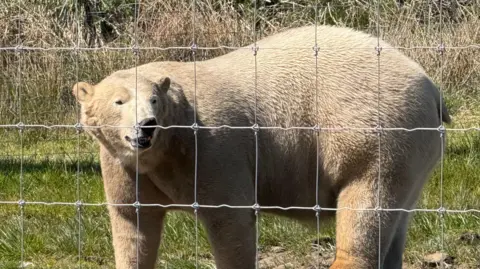
"The polar bears definitely made a difference, but we have had them for three years now which has gone so quick," she said.
"They definitely brought a lot of new people in, and then word spread."
The walk-through enclosures for capybaras, wallabies and lemurs helped Peak Wildlife Park be different to other attractions, she said, adding that it offered another way to educate people about the animals.
"The fact you can walk and get close to them is a really big pull," she said. "It's just a really nice different experience to get up close to them."
The park has also introduced more indoor areas, as well as play areas for families and themed days as well as Christmas markets.
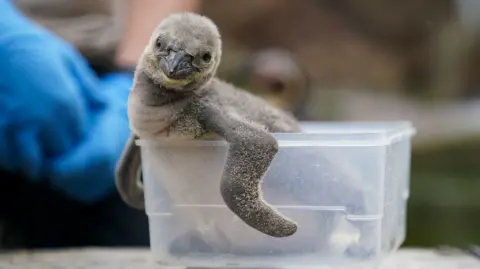
They are also part of a number of breeding programmes – including for penguin chicks, born there as part of a breeding programme for Humboldt penguins and the park is also part of a red squirrel breeding group.
There was "no such thing" as a typical day, said keeper Mike Wilson.
A major part of his role included creating activities to support the animals' welfare.
 PA Media
Among the solutions Wilson and the keepers have created include feeders made from old jerry cans and using firefighters' hoses to make toys for the polar bears.
"There's various materials that we've found make really good enrichment toys," he said.
"It begins with the behaviour. It's looking at the natural behaviour and thinking what would it be beneficial to see that animal doing.
"It is a very rewarding thing when that works out. Visitors love to see our animals behaving naturally, being nice and active."
Follow BBC Stoke & Staffordshire on BBC Sounds, Facebook, X and Instagram.