'I was born in China but raised in Billericay'

 Supplied
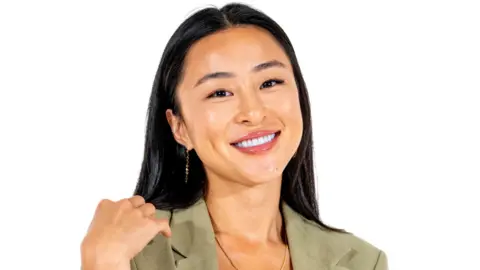
When Eva Brookes was browsing job adverts last year, she saw one ad looking for the next generation of podcast producers and audio creatives. She knew straight away what she'd pitch to get the role, having been born in China in 2000 but raised by a white British family in Essex. Now, her podcast for BBC Sounds asks how her life and understanding of herself was shaped by transracial adoption.
Eva Brookes' relationship with her racial identity wasn't something she thought about until she started primary school.
Born in China during the period of the country's one-child policy, when baby girls were often abandoned, Eva was found at a roadside as a newborn and taken to an orphanage.
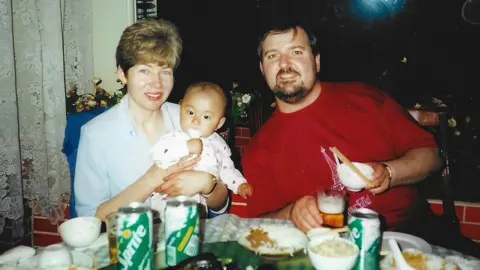
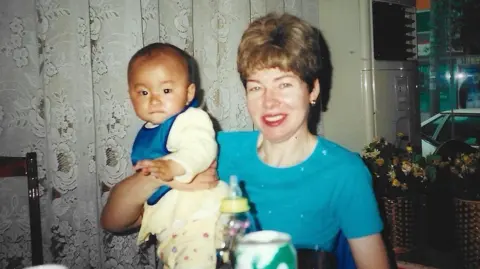
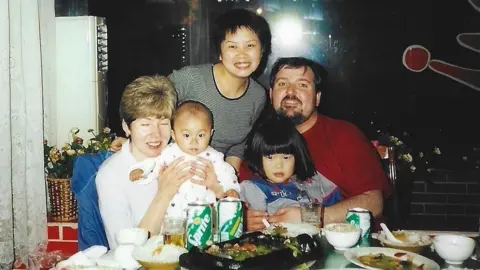
At the age of 13 months, she was adopted by Moira and Chris Brookes, a couple from Billericay, who had adopted another little girl from China three years earlier.
The idea to look to China had come to Moira when she'd seen a newspaper article "that China was opening up their adoption to older ages", Eva said. The couple had looked into adopting in the UK, but it wasn't straightforward because they were in their 40s.
"They knew a social worker who told them about a family who adopted from China and went to monthly meetings. Mum and dad went to them and saw these people that were already doing it and so it gave them that hope that people have returned with babies so maybe they could."
The process to adopt a baby from China was complex, involving eight months to a year of checks and paperwork which needed to be translated into English once it arrived.
Eventually, the couple travelled to China to meet the baby they'd been paired with.
"They put you in a hotel, and my handover was there," Eva said. "So when my parents arrived, they received a call and it was immediate - 'your baby's down in reception'.
"They didn't really have time to settle in."
The family then spent a couple of weeks with a tour guide heading to cultural places and visiting sights before heading back to the UK where they settled into life as a family.
 Supplied
"Within my family I didn't feel any different to them, but then I started to feel a bit different, like I stood out a bit come primary school," she said. "It got harder when I realised that I was a minority."
As she grew, Eva became used to other children making "digs at the way I looked" and she "soon realised it was about being Chinese".
"It was normalised to have that rejected, and so it was easy for me to reject that part of myself," she said.
"It was like touching a hot stove and realising it's hot. Chinese-ness was this thing that started being painful and so I tried my best not to be it."
It was only upon reaching adulthood that Eva started to look again at the part of her identity she had hidden away, including in 2024 when she chose to write her dissertation during her Creative Writing MA on what her birth mother's life might have been like.
"There was something there, but I didn't know how to name it," she said. "It wasn't accurate, I hadn't done any research, and so I started listening to podcasts about adoption and then soon realised that there were none from the adoptee's perspective.
"I thought, I would love if a podcast existed with kind of the adoptee experience and an insider's perspective. When this job ad for BBC Sounds Audio Lab came up, I instantly knew what I was going to pitch. I didn't have to think about what it was."
 Supplied
Eva said her family had been "really supportive" about the project, which they've also participated in, but warned her it might "uncover old wounds" for her.
"Maybe they were a little bit right, but I can take it," she said. "This is what it's meant to be. The harder it is for me, the better it becomes if I have that willingness to be vulnerable about it."
The podcast explores the political, cultural and social forces that had an impact on Eva's life and the lives of millions of Chinese girls like her.
The one-child policy was in place from 1979 to 2015 and led to large numbers of girls being abandoned by families who wanted their one child to be a boy.
Across the four episodes, Eva has been able to re-visit memories of her childhood, school and family life in the UK and explore how to connect with her birth culture as an adult.
"I'm really nervous about the release of the podcast, but excited too," she said.
"If I can be that voice that I kind of craved growing up, that's everything."
Made in China is a Reduced Listening Production with BBC Sounds Audio Lab.
Follow Essex news on BBC Sounds, Facebook, Instagram and X.