Saving children's lives - On the road with the NHS

 BBC
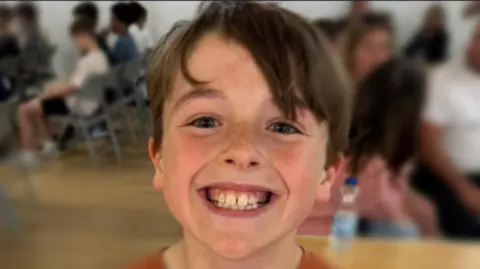
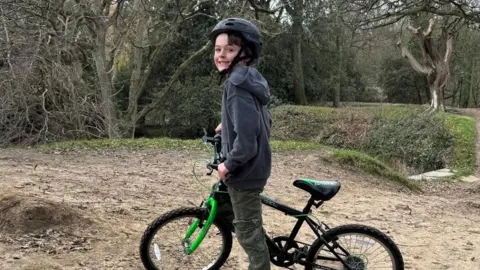
BBCWhile on holiday on the Isle of Wight eight-year-old Rex started having seizures. He had never had them before.
His terrified parents called 999 and their son was taken to nearby St Mary's Hospital.
In A&E the doctors and nurses did all they could to help. But it wasn't enough.
Worried they were losing him, they called in a team of specialists on the mainland.
I was in Southampton's Paediatric Intensive Care Unit (PICU) when the call for help came through.
It was answered by Michael Griksaitis a consultant paediatric Intensivist. He's seen conditions like this before.
He is the clinical lead for the Southampton Oxford Retrieval Team or SORT which is on call 24 hours a day and supports 27 hospitals across the south of England.
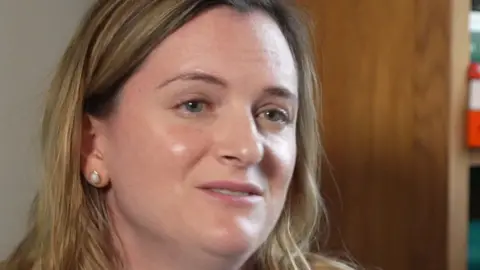
Rex's mum Natalija said: "He was confused, he just wasn't quite right and then the seizure happened after that. It was completely out of the blue."
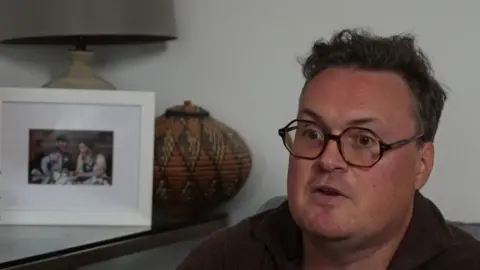
Dad Matthew added: "It's just one of abject terror and fear for your own child."
Michael listens carefully and starts to advise the medics who are caring for Rex.
He thinks he might have sepsis - which can be fatal.
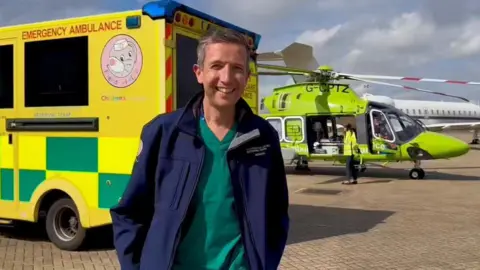
That call started a chain of events which ultimately saved Rex's life. I was given rare access to follow the team that cared for him.
I watched as they got ready to travel to the Isle of Wight.
"The main thing at this point is logistics, it's checking we have the right equipment, we have the right ferry waiting for us and making sure we haven't left anything behind that we might need," Michael said.
This is known as Transport Medicine, which takes intensive care to children in need.
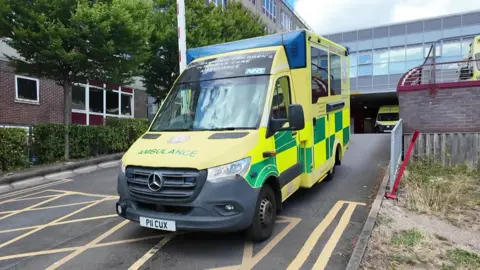
Along with the team, I jump in an ambulance and head to the ferry in Southampton.
Most hospitals don't have a paediatric intensive care unit, so when a child is very sick and needs critical care they call in this team of specialists.
There are 13 dedicated NHS retrieval teams across the UK who care for the sickest children before taking them to one of 23 specialist intensive care units (PICUS).
In the south of England, children are either taken to paediatric intensive care in Southampton or Oxford.
The team has seen a surge in demand in the past five years.
In 2018/19, SORT received 879 calls, rising to 1,137 in 2024/25.
Retrievals – when they collect a poorly child - rose from 401 to 507 in the same period.
Michael said: "If we need to increase the number of children we're moving we're probably at the capacity of what we can offer with the service that we've currently got.
"But it's not just about the transport, it's about the beds that they go into and also when they're discharged from paediatric ICU, where do they go to next?"
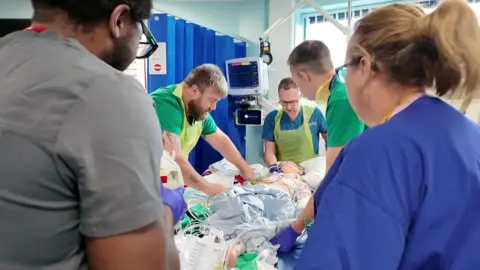
At St Mary's Hospital on the Isle of Wight, the team calmly take over from the doctors and nurses who have been caring for Rex.
"Obviously there is anxiety but I see huge amounts of children with septic shock, huge amounts of children with kidney failure and you can usually predict the process and predict what you need to do," Michael says.
Once it's safe to move him, Rex is transferred into an ambulance and the team start the journey back to the mainland. He needs an intensive care bed, a level of care St Mary's cannot provide.
Money for this service is so tight their three ambulances are all charitably funded – it costs nearly £200,000 for one new ambulance every three years.
Michael added: "There is a lot of time when children's voices are forgotten about across the country because the adult numbers look so huge.
"I can tell you from experience it's hard sometimes to compete with adult services that have got a huge number of patients that therefore justify a much bigger resource allocation."
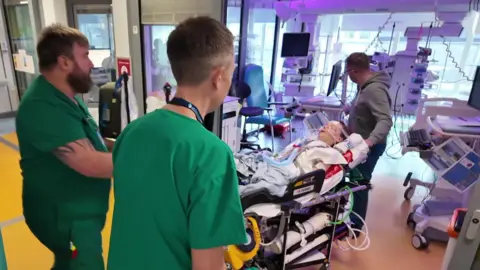
Rex has a steroid deficiency which he takes medication for. He had picked up a sickness bug while on holiday which meant his body hadn't been absorbing his medication properly, which led to this episode.
At Southampton's paediatric ICU after a few days Rex made a full recovery.
Natalija said: "I think they saved his life, that's the reality of this situation, that's not in any way to disparage what St Mary's was doing... but he just needed that extra level of care."
An NHS England spokesperson said: "NHS England has increased investment in paediatric high dependency capacity in the last two years, including for critical care transport services, to enable children to receive care closer to home if it's clinically appropriate for them."
You can follow BBC Hampshire & Isle of Wight on Facebook, X, or Instagram.