Glyphosate weedkiller used in parks, data shows

 Getty Images
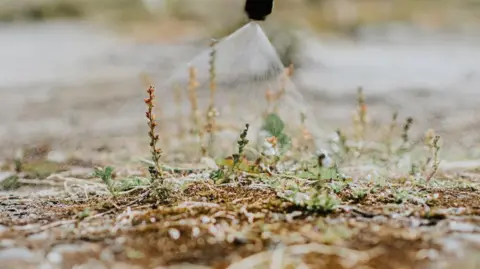
Weedkillers containing glyphosate were used in several Jersey parks last year, according to newly released data.
The data supplied by Jersey's Infrastructure and Environment department following a Freedom of Information request showed products containing the chemical were sprayed in parks in St Saviour, St Lawrence and St Brelade during 2024 and 2025.
Glyphosate is one of the most widely used weedkillers in the world, but its safety has been the focus of public debate.
In St Saviour, grounds teams used Monsanto Amenity Glyphosate 360, RoundUp Pro Vantage and Asteroid Pro, all of which contain the chemical. MAPP 12493 Selective Herbicide, which does not contain glyphosate, was also used.
St Lawrence parks saw RoundUp Pro Vantage, Gallup Biograde Amenity and Pistol Herbicide used, each containing glyphosate, alongside Grazon Pro and Praxys Selective Herbicide, which do not, according to the data.
In St Brelade, RoundUp Proactive was the only glyphosate‑based product recorded, with Praxys Selective Herbicide and Enforcer Selective Herbicide also used, the data said.
The request asked officials to reveal what weedkillers were used in every parish. However, the department said it only had records for parks it manages directly.
What is glyphosate?
Glyphosate is the active ingredient in many weedkillers.
Introduced by Monsanto in 1974, its patent expired in 2000 and now the chemical is sold by various manufacturers.
It is used in agriculture and forestry, for weeds in industrial areas, as well as on lawns and gardens.
Some countries and regions - such as Portugal, Italy and the Canadian city of Vancouver - have banned glyphosate use in public parks and gardens.
Its effect on plants is non-selective, meaning it will kill most of them when applied. Some crops, such as soybean, have been genetically modified to resist glyphosate.
Farmers spray it on fields before their crops emerge in spring, so the crops do not have to compete with weeds.
Follow BBC Jersey on X and Facebook. Send your story ideas to channel.islands@bbc.co.uk.