Prisoners chance of finding work 'not high enough'

 Tap Social
The chair of a prison board is calling for an improvement on employment for prison leavers.
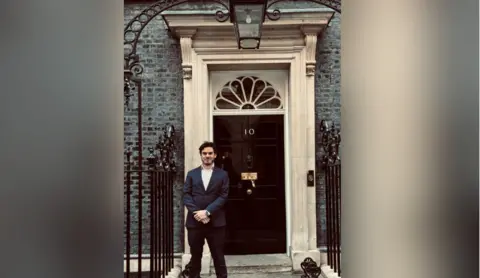
Paul Humpherson, who chairs the Employment Advisory Board (EAB) at HMP Bullingdon, near Bicester in Oxfordshire, discussed prison employment with Deputy Prime Minister David Lammy and Prisons Minister Lord Timpson in Downing Street last week.
Even though the rate of prison leavers finding a job six months after release had "more than doubled" since 2024, Humpherson said it was "still nowhere near high enough".
The Ministry of Justice (MoJ) has been approached for comment.
 Tap Social
Humpherson said the Downing Street meeting with Lammy and Lord Timpson had been to "celebrate the successes of that policy over the last few years, but also to plan for the future".
Hundreds of businesses have supported the government recruitment campaign to upskill and educate prisoners as part of a major effort to secure them employment on release.
"In the years since that scheme has been going, the employment rates six months after people come out of prison have more than doubled, which is obviously really great news," Humpherson said.
"I think they've gone up to about 38% now ... which is still nowhere near high enough."
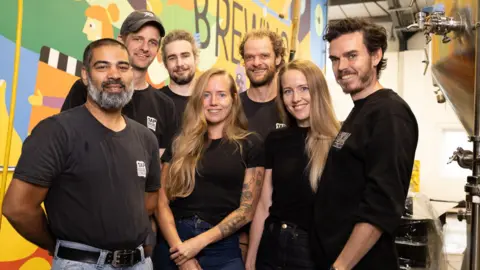
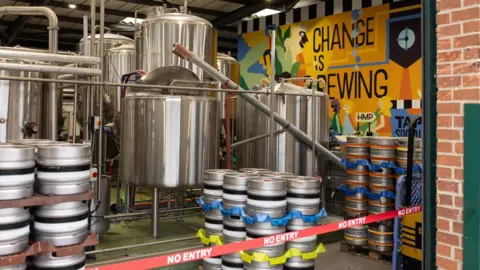
Humpherson is also the co-founder of Tap Social Movement, which provides paid employment to prisoners and ex-offenders.
He said they "believe very passionately that that number needed to keep going up" and added the event had been "really positive" to meet with colleagues from similar businesses and hearing about their challenges.
The MoJ confirmed the figure, stating that from May 2024 to March 2025, 37.8% of offenders serving sentences of 12 months or more were in employment at six months post release from custody.
 Tap Social
Humpherson described Bullingdon as "quite a challenging prison" due to its "very high remand population" but there were "some really great members of staff".
He said his view for improvement was to "be really critical and sparing in your use of prison".
"Then we can make sure that the money we do have to lock people up is spent well," he added.
"It's about not having them locked up in cell for 22 hours a day which, unfortunately, is still the case for a lot of prisoners."
Humpherson said those who were in employment, training or in education had "more chance of getting back on their feet when they come out".
You can follow BBC Oxfordshire on Facebook, X (Twitter), or Instagram.