Decision due on huge solar farm on palace estate

 BBC
BBCA plan to create one of Europe's largest solar farms hangs in the balance, as the government starts to weigh up a report from an examining panel.
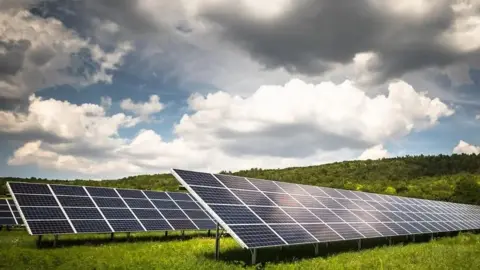
The 840MW Botley West scheme would cover more than 2,000 acres north and west of Oxford, mostly on the Blenheim Palace estate.
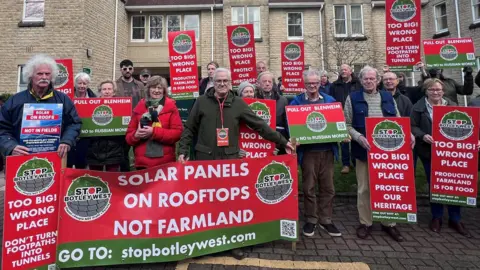
Developer Photovolt Development Partners (PVDP) previously said the project is crucial to meet the UK's climate and energy security goals, but opponents say an 11km (7 mile) rural corridor would be harmed.
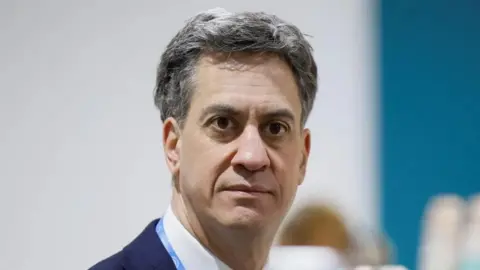
Planning inspectors, who began public hearings in May 2025, have sent a report to Energy Secretary Ed Miliband, but their recommendation has not been made public.
 Reuters
The secretary of state now has up to three months to review the document before making a final decision.
On the day the report was sent, Calum Miller MP told energy minister Michael Shanks his constituents were worried about the "community benefit on offer".
Speaking in the House of Commons on Tuesday, the Liberal Democrat MP for Bicester and Woodstock added: "Botley West, one of the largest solar farms ever brought forward in Europe, would have a profound and long-lasting impact on a rural area."
On the same day, the government announced contracts for 157 solar developments, including its largest ever winner - the 788-hectare, 480MW West Burton project on the Lincolnshire-Nottinghamshire border.
 PVDP
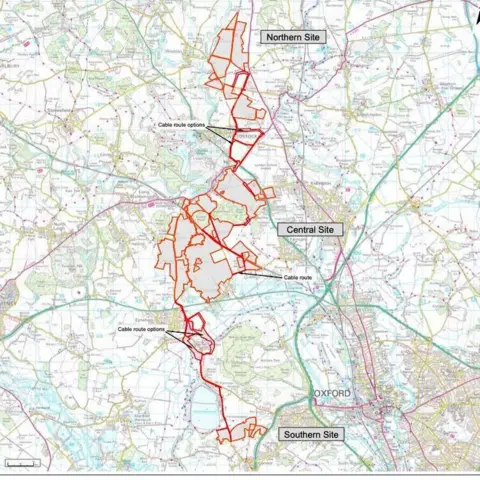
PVDPBotley West is a proposed £800m solar farm covering about 1,000 hectares (2,471 acres) across three areas - north of Woodstock, west of Kidlington and west of Botley.
Blenheim Estates owns 90% of the land within the earmarked site, which it will lease to PVDP.
Previously, the developer has said the farm would be able to power the equivalent of 330,000 homes.
The solar panels would remain on site for about 40 years before the fields are returned to agriculture, according to the Blenheim Estate.
In a statement, PVDP said: "We have listened closely to feedback from residents, organisations, businesses and the Planning Inspectorate.
"As a result, we have made meaningful changes to ensure the scheme helps achieve the UK's clean energy needs while respecting for Oxfordshire's landscape, heritage and the needs of local people."
The firm says it has removed panels that were near to the airport, increased a buffer zone between the site and homes to 25m (27yds) and increased a community benefit fund to £441,000.
In 2024, the government announced new climate change targets, aiming for an 81% cut in emissions by 2035.
Miliband has said solar power would provide "an abundant source of cleaner, cheaper energy on the mission towards 2030".
Former MP for Witney Robert Courts said previously it was the "sheer scale" of Botley West that "really causes people such massive concern".
Before his death in December, Ian Hudspeth, the former leader of Oxfordshire County Council, who lived in one of the areas included in the proposals, said the farm would create an "ocean of glass and steel" across the countryside.
But project manager Mark Owen-Lloyd has previously said the solar farm would be hidden in fields and behind hedges and people "would not notice it is there".
Note, 13 February 2026: This story has been amended to clarify that Ian Hudspeth died in December 2025.
You can follow BBC Oxfordshire on Facebook, X (Twitter), or Instagram.