Natural wealth of districts' biodiversity laid out

 Getty Images
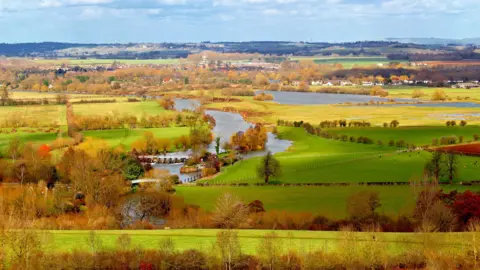
Two new biodiversity reports have been published which highlight a county's "natural wealth" and the work being done to protect it.
Separate studies by South Oxfordshire District Council and the Vale of White Horse District Council set out, for the first time, a combined picture of the natural environment across the two districts.
They detailed everything from protected habitats and priority species to the challenges posed by development and climate change.
Both local authorities stated that nature recovery and conservation were key priorities going forward.
South Oxfordshire
South Oxfordshire's report highlighted the district's significant environmental assets.
These included four Special Areas of Conservation - Aston Rowant, Chilterns Beechwoods, Hartslock Wood and Little Wittenham - as well as 38 Sites of Special Scientific Interest (SSSI) covering 1,550 hectares.
It also recorded a national nature reserve at Aston Rowant, known for its floristically rich chalk grassland and beech woodland.
The council says it is now managing more than 40% of its own land for nature, and maps out extensive work with local partners including the Local Nature Partnership, National Landscapes, and the Thames Valley Environmental Records Centre.
Recent projects included expanding wildflower meadow trials, reducing mowing regimes, and the "Let it Bee" campaign aimed at supporting pollinators.
Councillor Mike Giles, cabinet member for Climate Action and Nature Recovery, said nature recovery remains a key priority, with a new Climate Action Fund launching later this year to support community-led biodiversity initiatives.
Vale of White Horse
The Vale of White Horse's first biodiversity report showcased some of its most distinctive natural features, including the largest surviving example of alkaline fen in central England at Cothill and a growing water vole population along the River Ock.
The report emphasised the district's chalk grasslands, chalk streams, veteran trees and farmland bird populations but noted that these landscapes are increasingly under pressure from habitat fragmentation, development and climate change.
Partnership efforts have been central to the Vale's approach, with the Earth Trust managing council‑owned land at Abbey Fishponds, Besselsleigh Wood and Tuckmill Meadows, while the Abingdon Naturalist Society manages Barton Fields.
Since 2022, the district's Climate Action Fund had invested more than £390,000 in nature restoration projects including floodplain meadows, wetlands and woodland improvements.
Councillor Dr Robert Clegg said: "The council is making nature conservation a key priority in its plans and policies and is working with local communities and groups towards this common aim."
Councils are legally required to publish biodiversity reports under the strengthened Environment Act 2021 biodiversity duty, setting out how they are conserving and enhancing nature across their responsibilities.
The reports cover actions up to 1 January 2026, with the next publications due by 2031.
You can follow BBC Oxfordshire on Facebook, X (Twitter), or Instagram.