Hospice reduces lottery top prize to save funds

 BBC
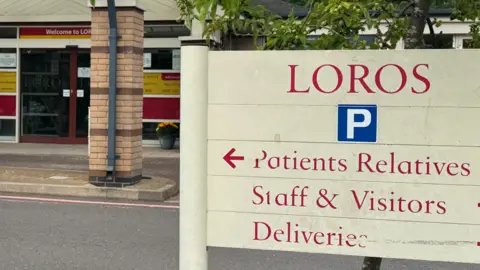
BBCA hospice in Leicestershire has announced plans to reduce the top prize of its lottery from £2,000 to £1,000 in a bid to save thousands of pounds.
LOROS Hospice wrote to its lottery players on 9 February to inform them that from 6 March, the top weekly prize would be reduced, and the £200 prize removed. All other prizes would remain the same, the letter added.
According to the hospice, the proposed change would save an estimated £62,400 per year.
Camilla Barrow, chief executive of the hospice, said the organisation was "really grateful" for the support provided by lottery players.
The hospice previously announced in July that it was cutting services in an effort to bridge a £2m income shortfall.
The changes included reducing the number of inpatient beds from 31 to 18, closing parts of the day hospice, and reducing back-office support, as well as services including physiotherapy and occupational therapy.
"All of those decisions, of course, are really difficult because it's redundancies, it's real people, real consequences," Barrow said.
"It's probably been the most challenging year in LOROS' 40 years of history."
Barrow added the hospice was "really thankful" for the efforts of its supporters, who had "really stepped up" in the last six months.
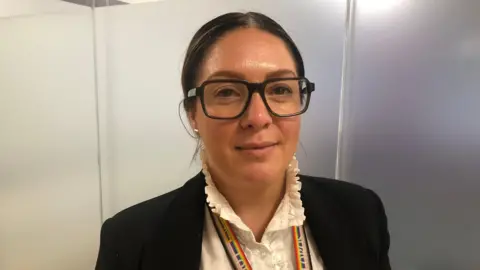
The chief executive told the BBC that LOROS had looked at "every area" of the organisation to see where it could make savings, and said the previous lottery top prize of £2,000 was "above" average when compared with other hospices and charities.
Barrow said the lottery - which attracts about 14,500 weekly players - provides the organisation with about £1m each year.
"We felt confident by making that reduction we would still be able to give our players, who are extremely important to us, an easy way to regularly give, but also be able to bring in some cost efficiencies.
"And like we said, £62,400 a year is what we estimate to be saving by changing that pricing structure, and we know that sort of money makes a big difference to the care we deliver," Barrow added.
Barrow said the hospice sector was "eroding" and added it needed to be recognised by government as a "crucial part" in community care services.
She added increases in wages, running costs, National Insurance and energy costs had become "really challenging" for the hospice.
A Department of Health and Social Care spokesperson said: "Hospices like LOROS do incredible work to support people and families when they need it most and are facing incredibly tough pressures, so we are making the biggest investment in hospices in a generation - £125m – to improve hospice facilities, freeing other funding for patient care.
"We will soon set out our plans to modernise and improve end-of-life care, where hospices play a vital role."
Follow BBC Leicester on Facebook, on X, or on Instagram. Send your story ideas to eastmidsnews@bbc.co.uk or via WhatsApp on 0808 100 2210.