Wen dem select di Gulf state of Qatar as host for di 2022 World Cup,some pipo no happy, some of di concern di di issue of di kingdom human rights record to actual logistical challenges like how players and fans go cope for kontri wey dia temperatures dey pass 40C?
Moving di tournament go winter period na one answer. But di desert nation wey get money still dey promise to leave better legacy: technology advancement wey go make am possible to hold di event all year round, even for di hottest kontris. Local Qatari footballer Hajar Saleh say di heat and humidity make playing for di region a massive challenge.
So how dem go make make life comfortable for players and spectators, wey e no go affect di earth?
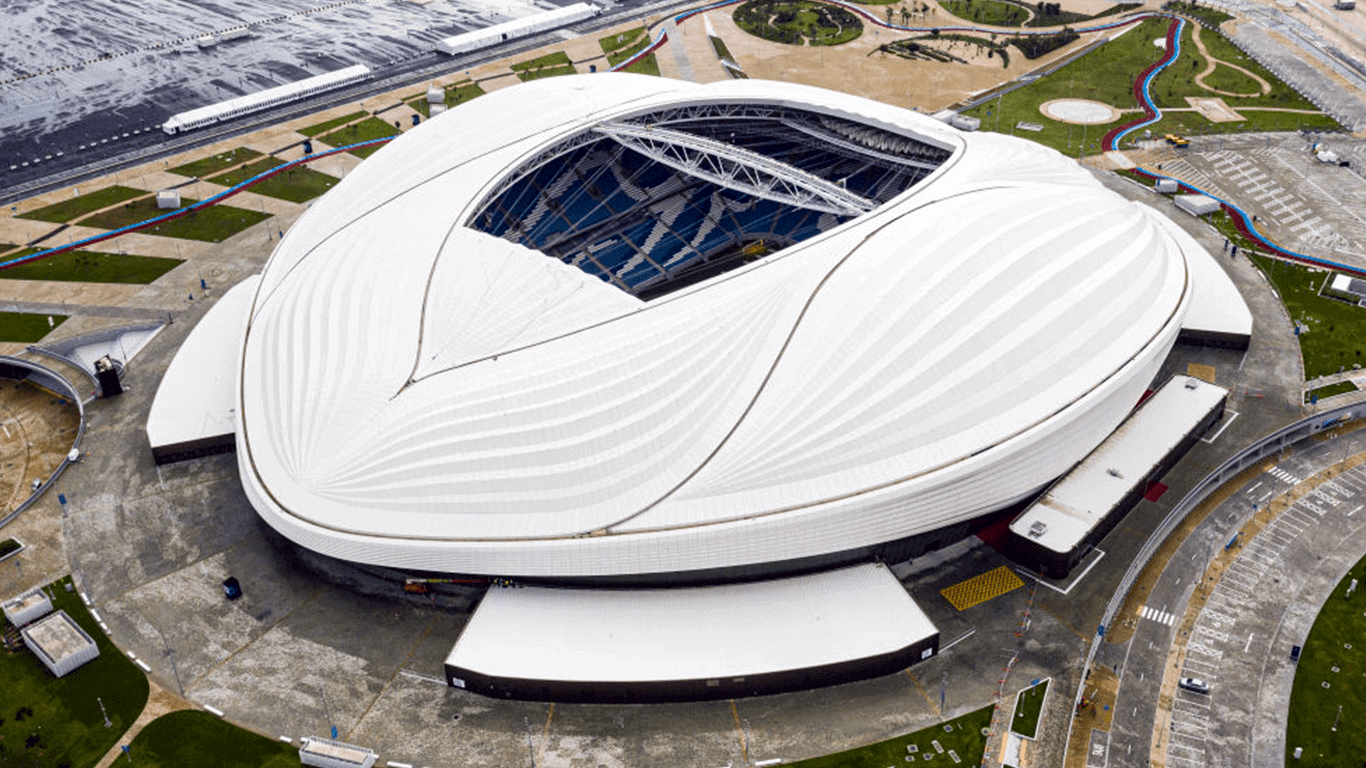
Scroll down and follow di air as e dey flow around di Al Janoub stadium, one of di eight venues dem go use for Qatar 2022.
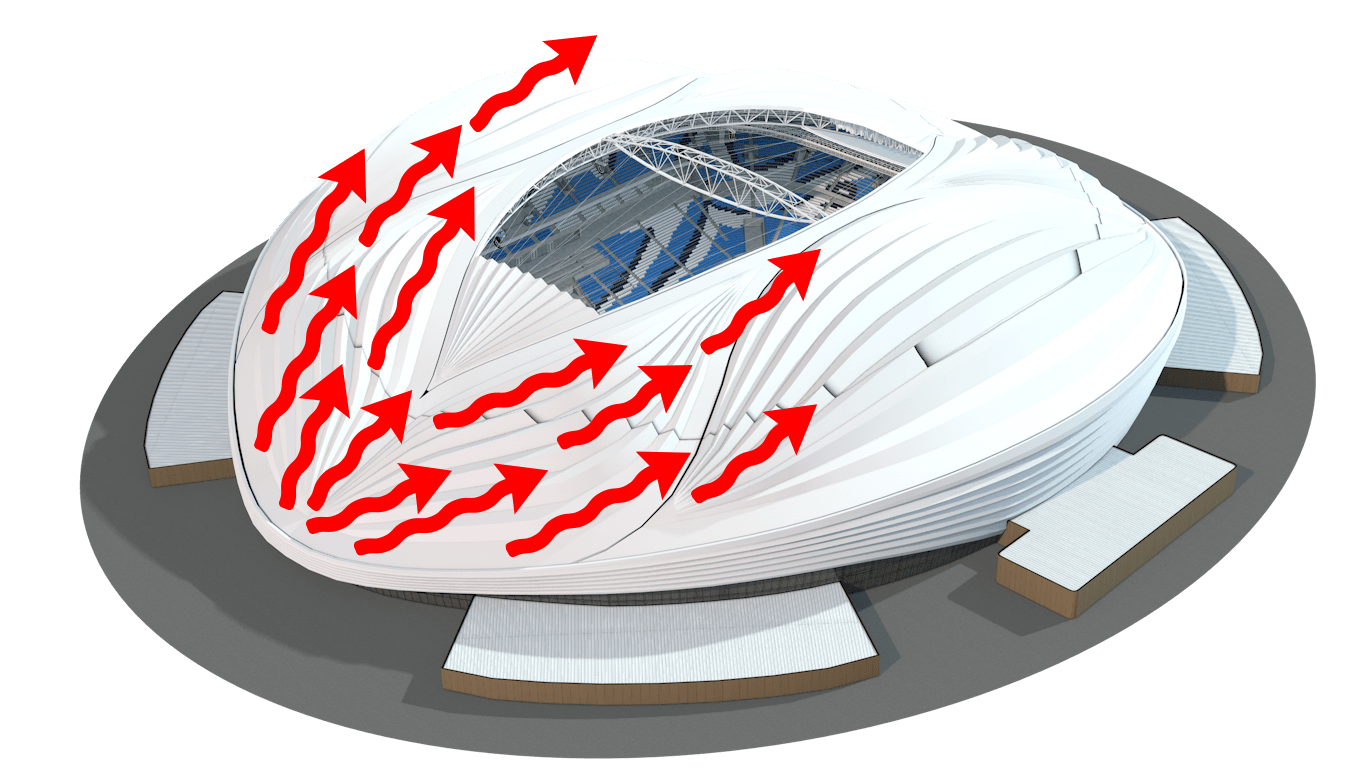
Qatar dey hot and humid. Warm wind dey blow in from di sea across di small Gulf state.
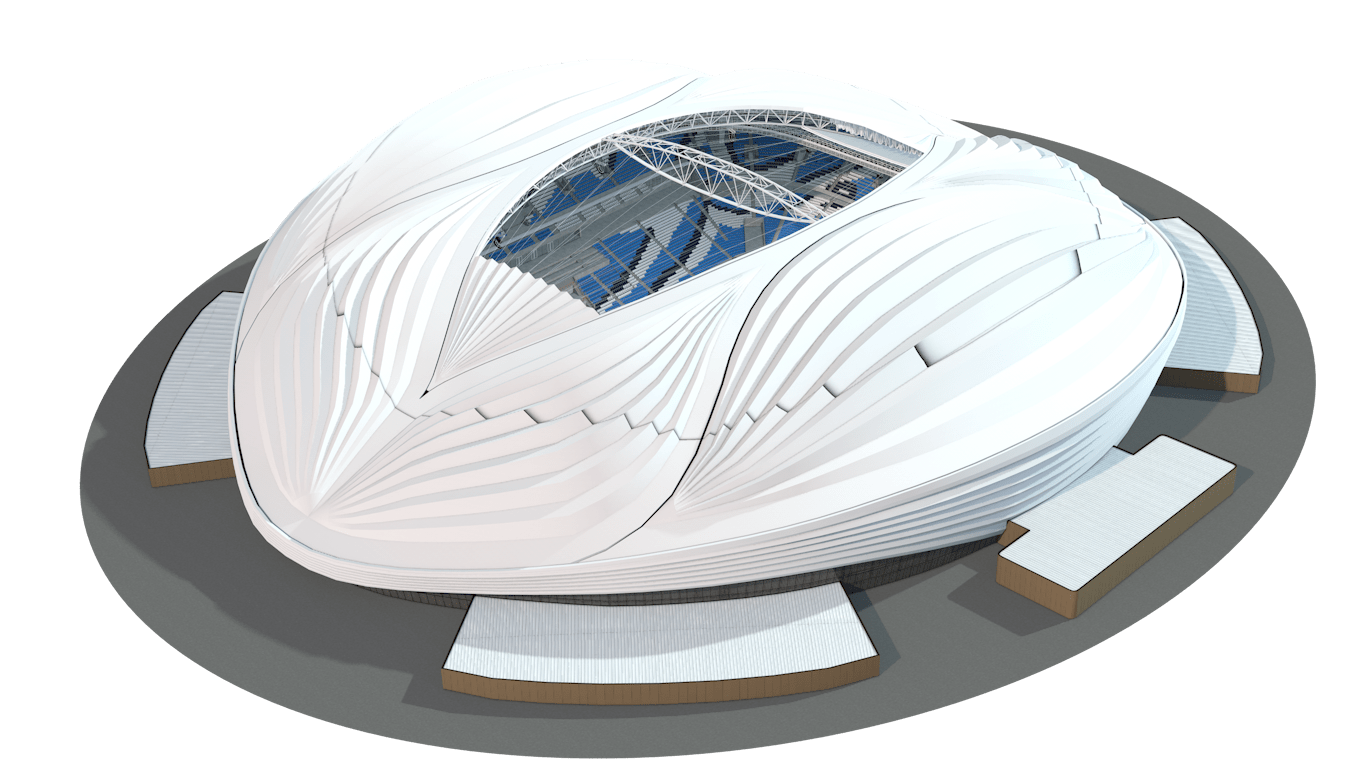
Di first challenge na to keep di warm air out. In di case of di Al Janoub stadium, di roof dey designed to allow air flow around and over di opening. Di light colour also reflect heat from di Sun.
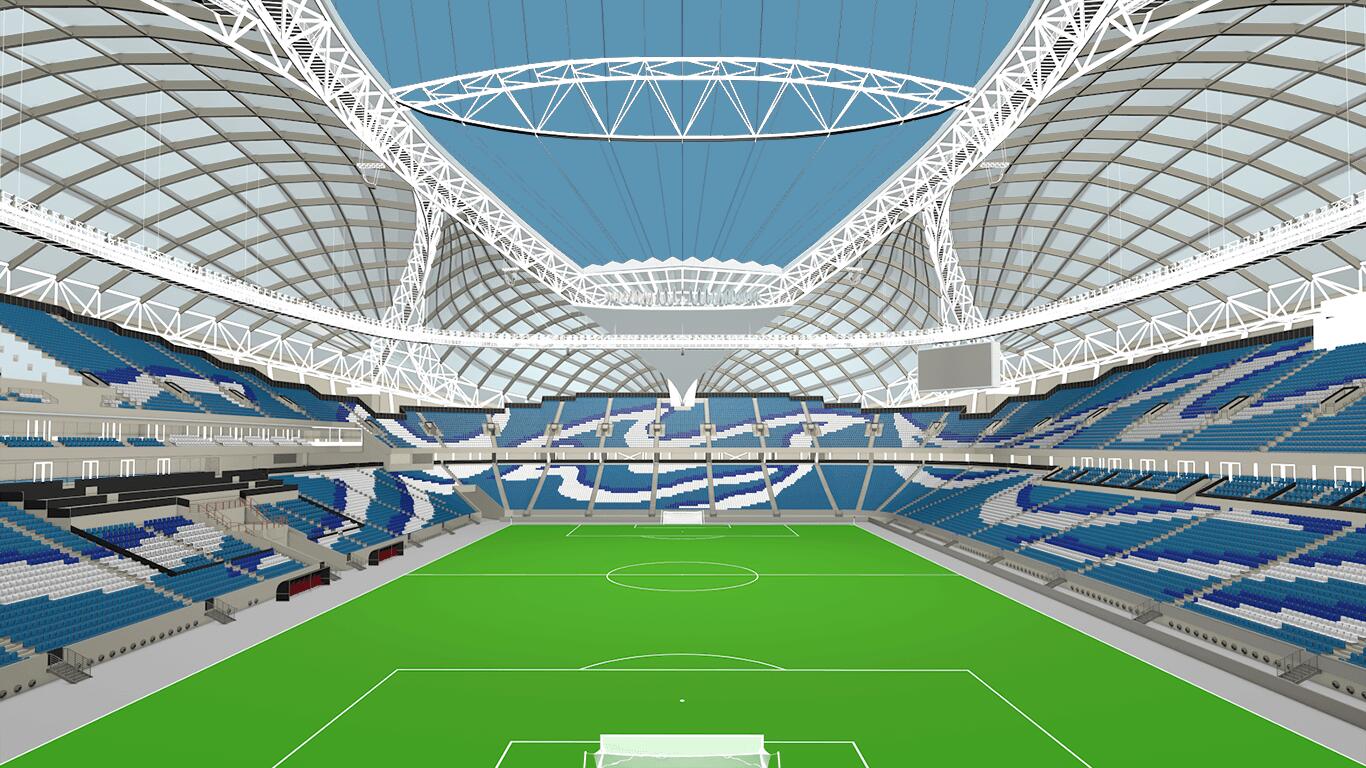
Keeping tins cool on di pitch and in di stands na im make dem invent solutions. Make we look inside.
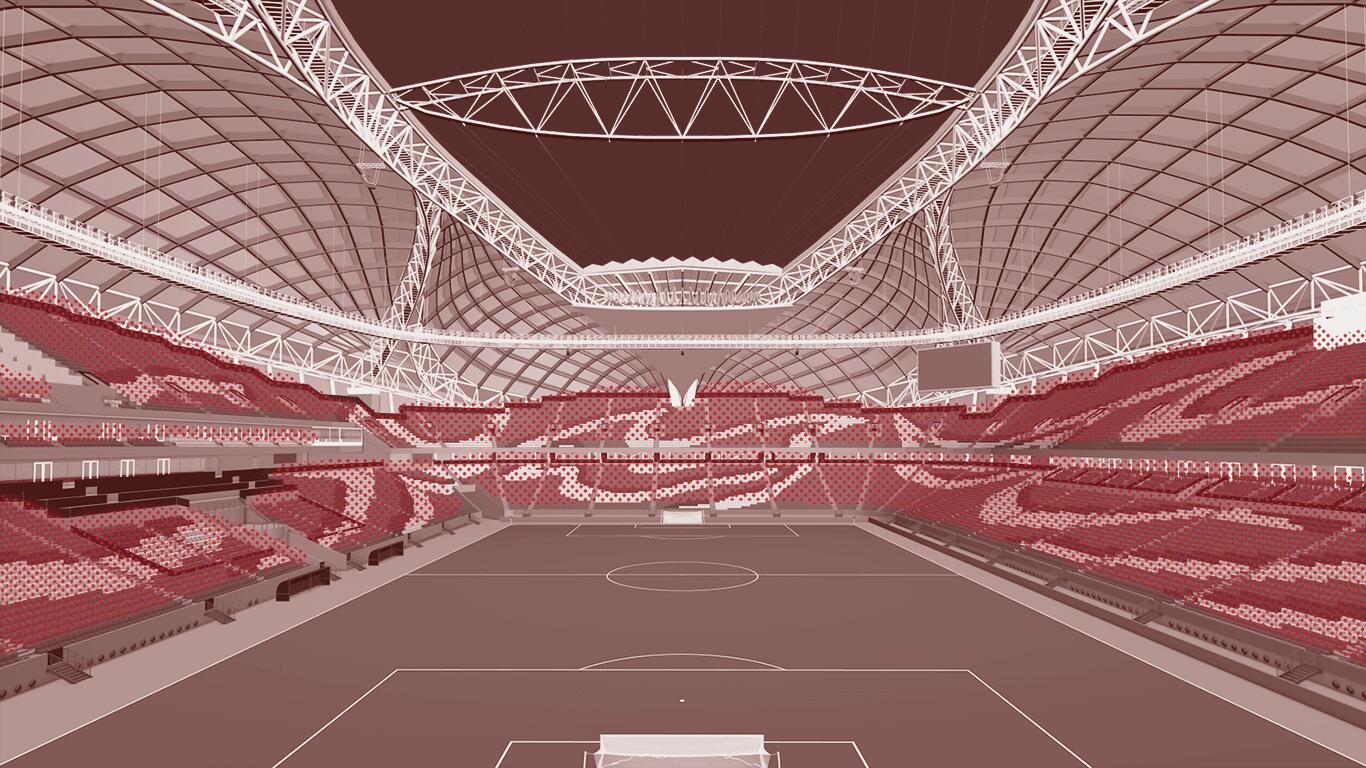
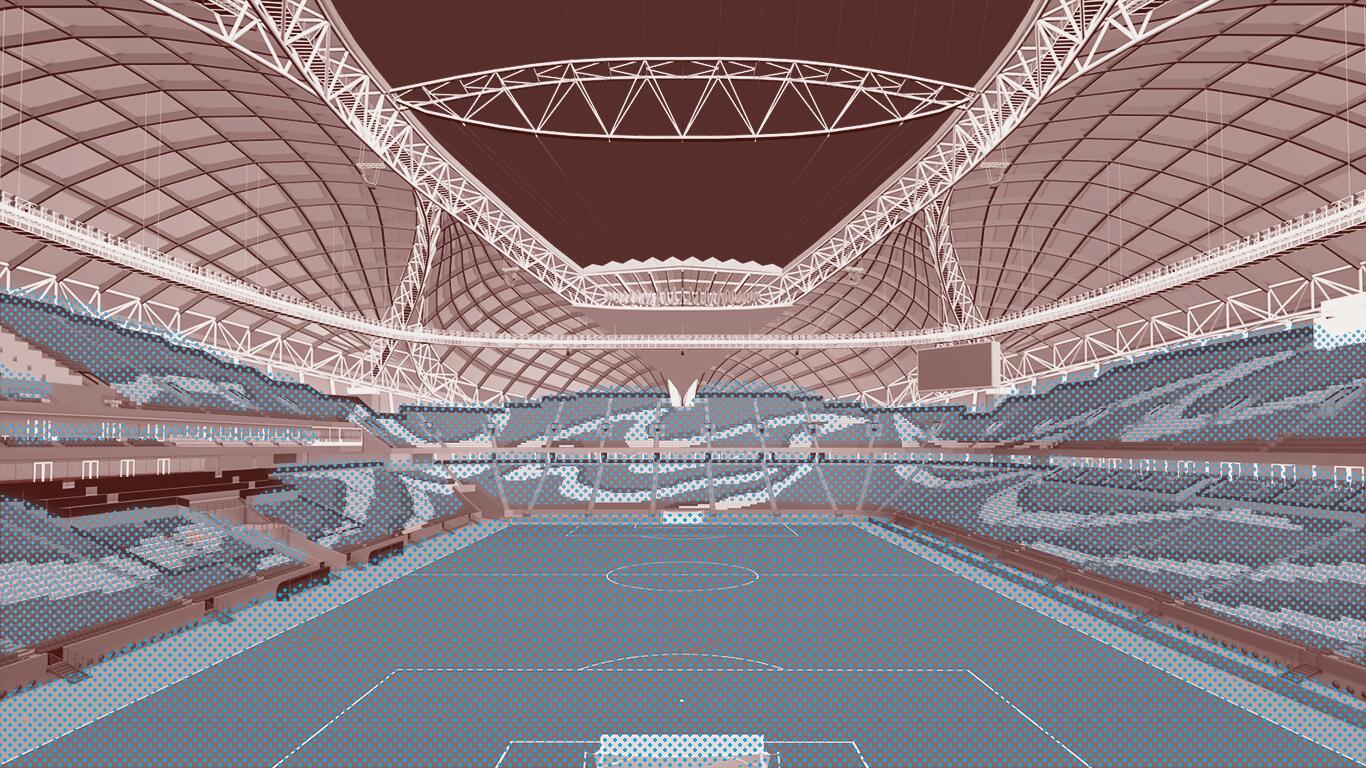
On match days, 40,000 go fill the stands, each one na source of heat and moisture.
Di hot combination of Qatar temperature and warmth dem generate within di venue call for effective cooling system.
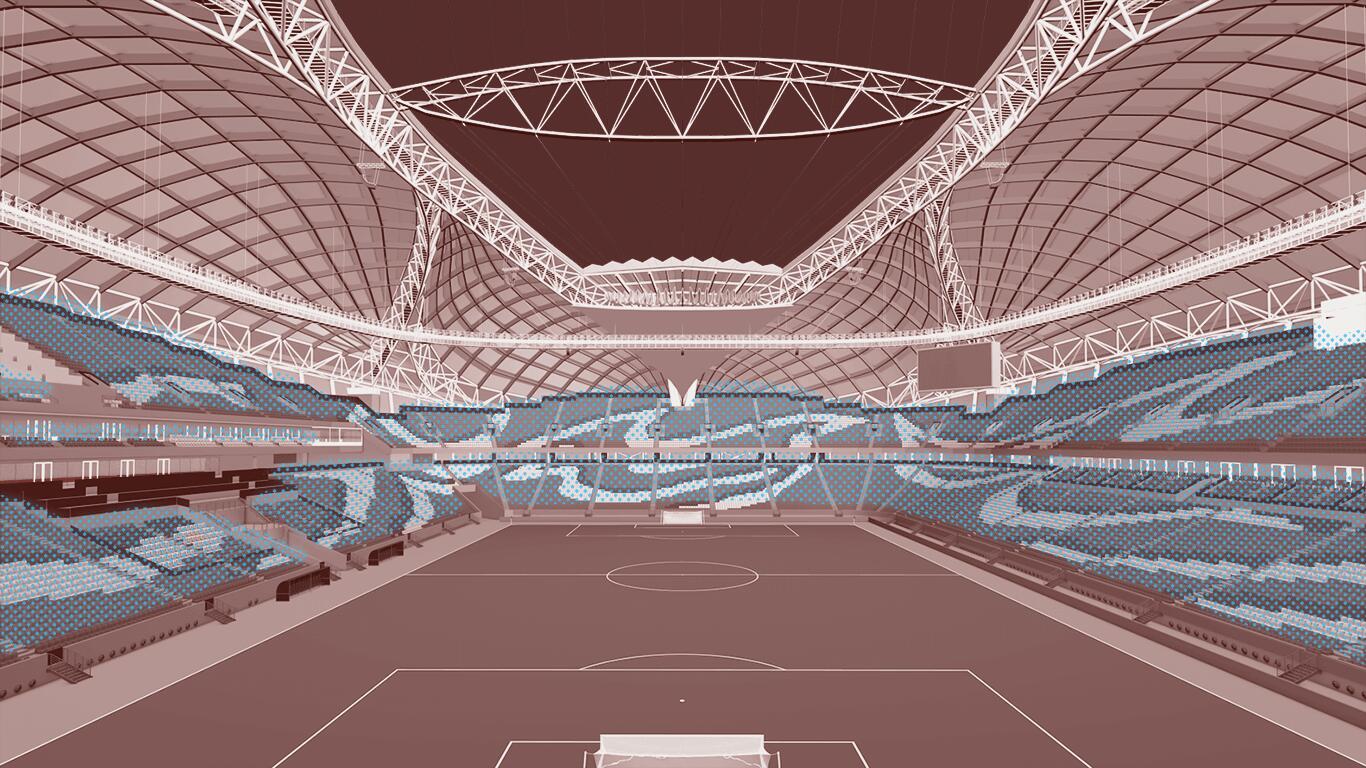
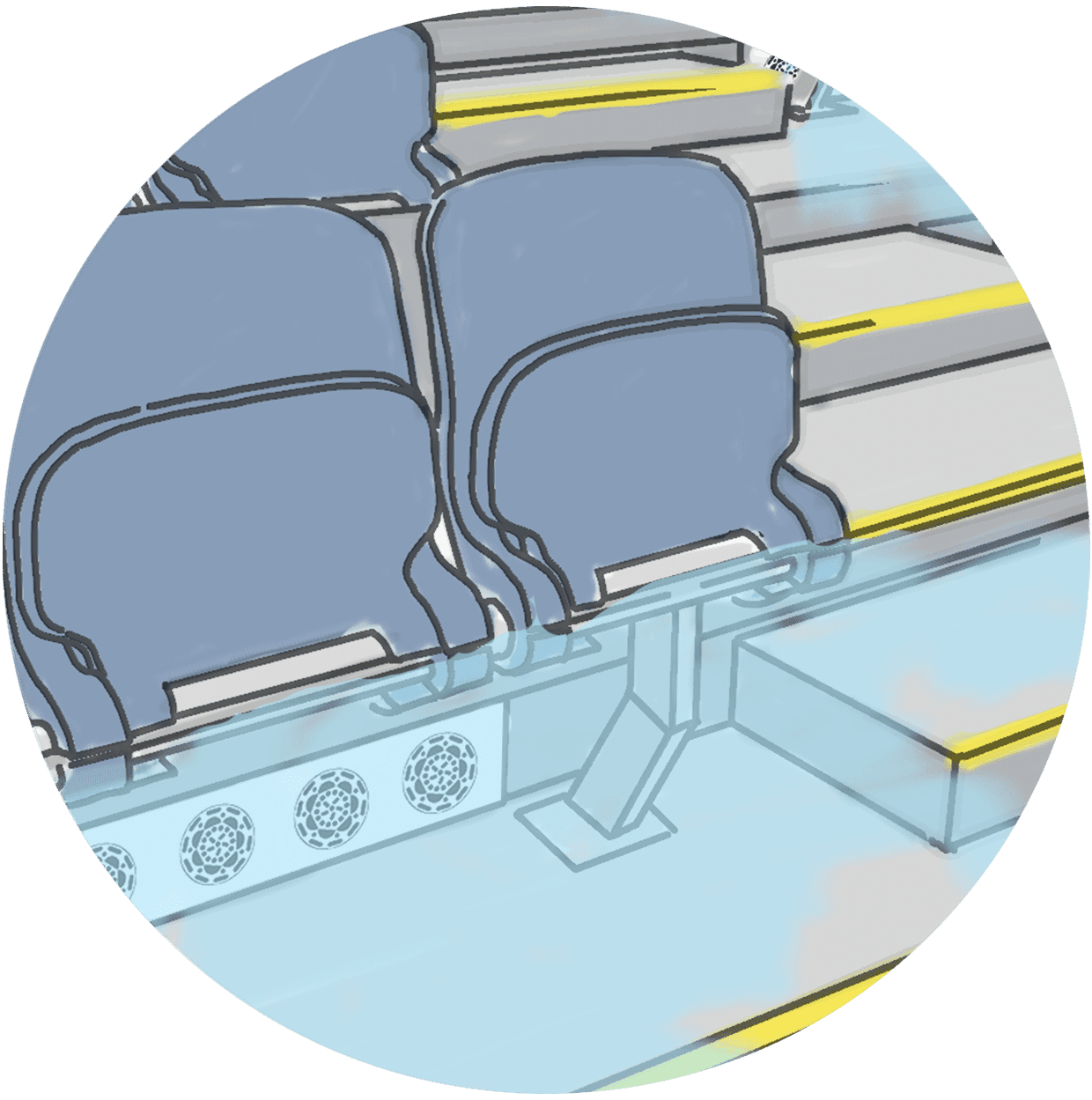
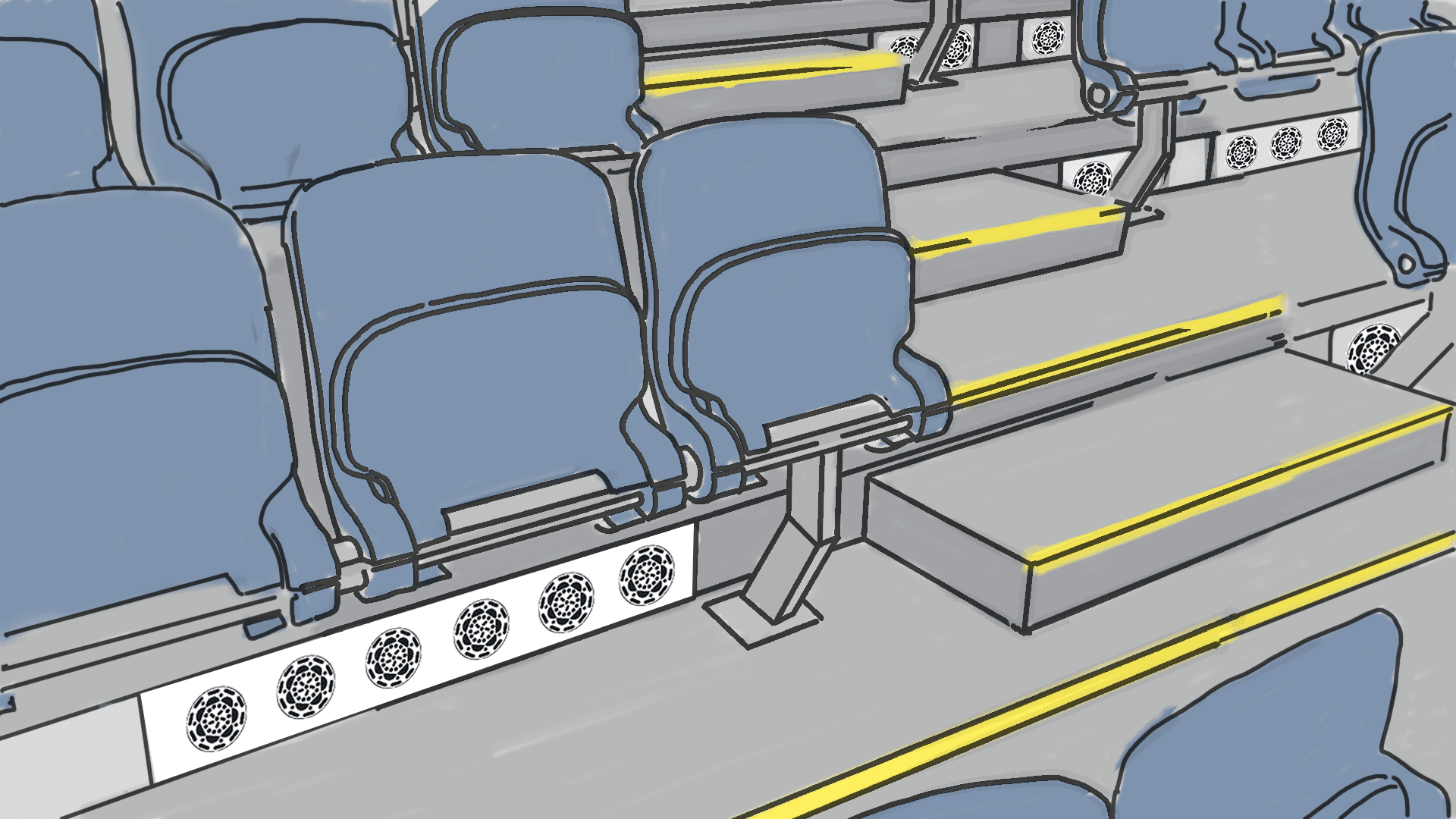
Na cool air from di vent under each seat go cool football fans for di stands.
Di small nozzle, go act as shower head, allow air to diffuse and cover all di spectators.
Di flow dey gentle, rather dan blowing like di air inside plane.
Dis go benefit di fans, but wat about di players on di pitch?
Modern footballers fit run more dan 10km during one match, wia dem dey lose up to three litres of dia sweat, so dem need to keep cool and hydrated.
For di hot environment of Qatar, e dey harder for sweat to comot and di body fit overheat, risking heat exhaustion.
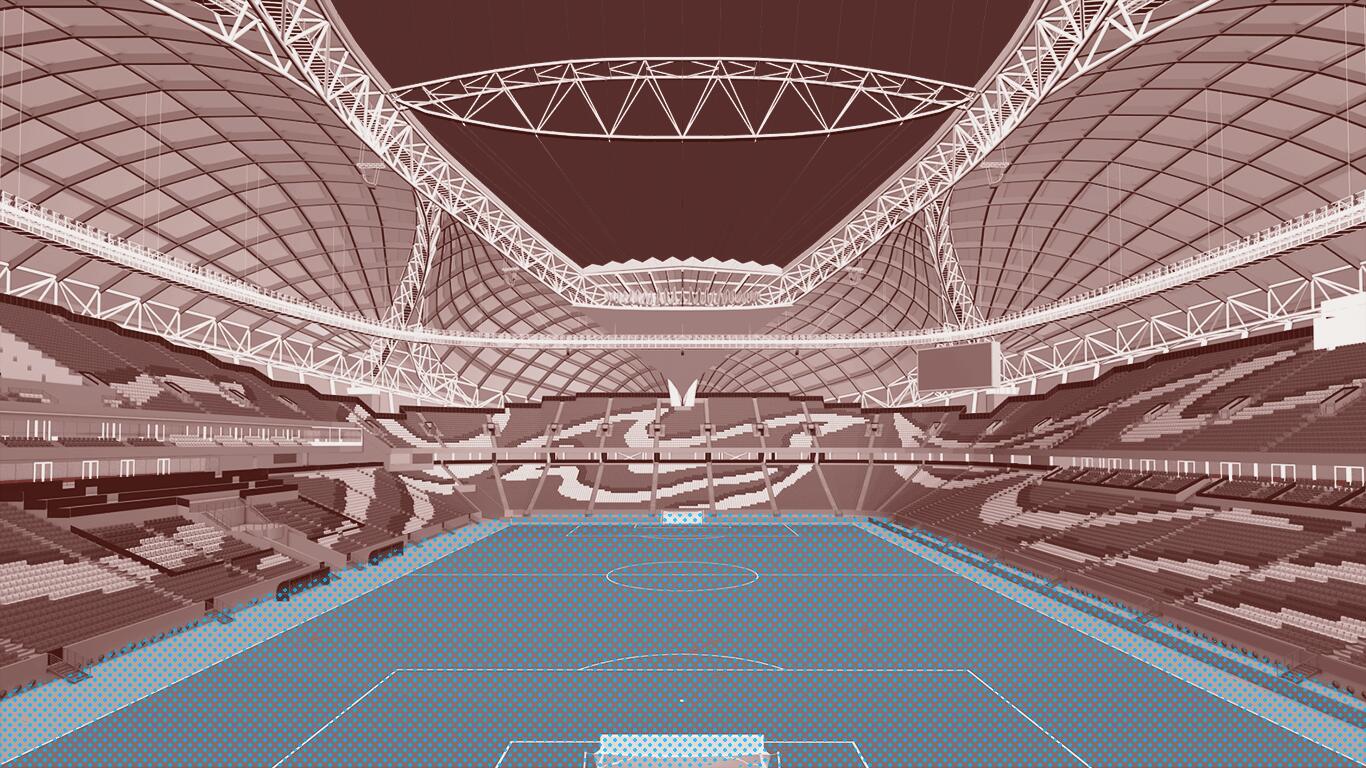
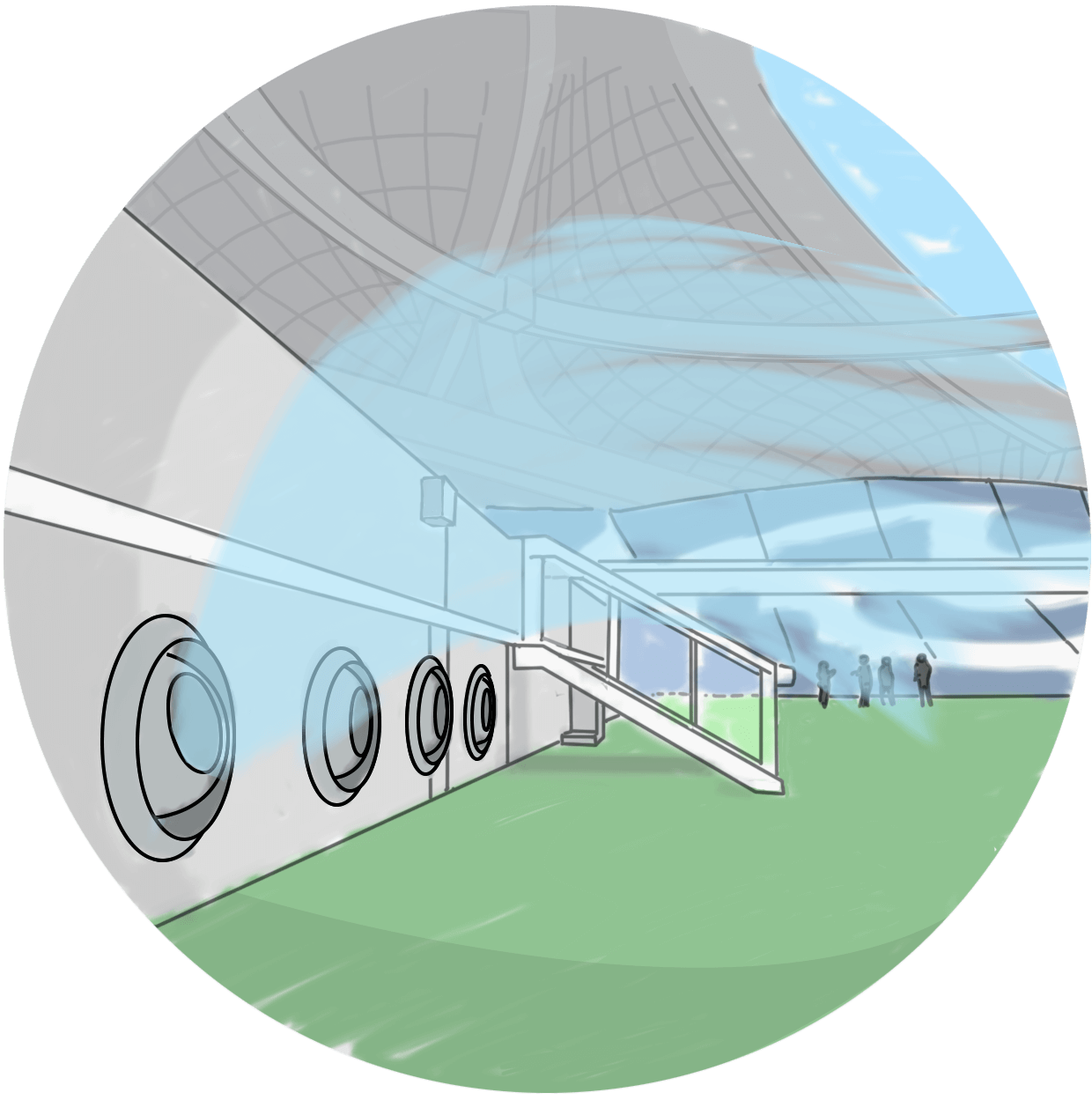
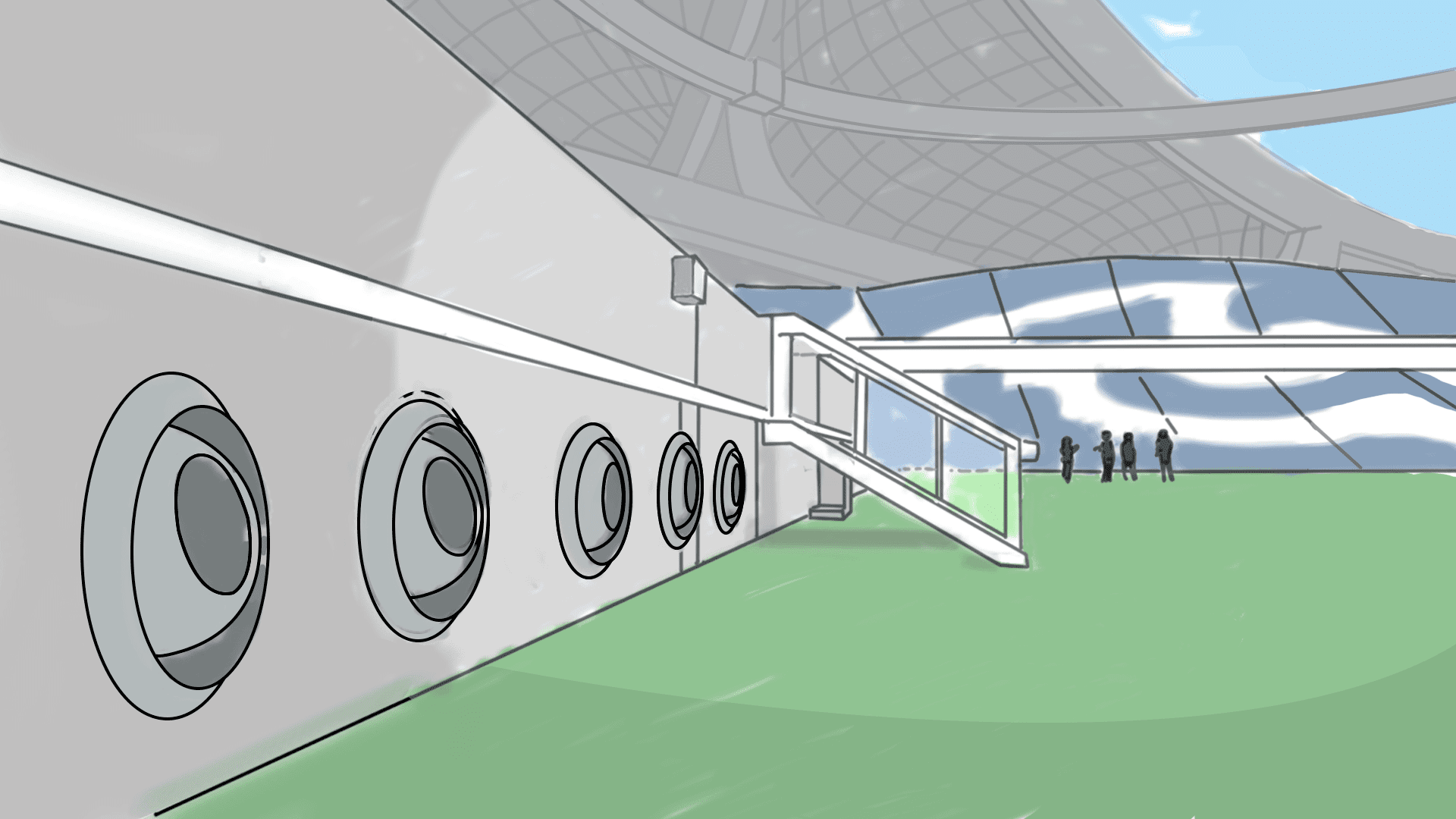
So, for di Qatar World Cup, cold air go come out from big nozzles into di stadium to help create cool air over di pitch.
Di air conditioning expert wey follow develop di system, Dr Saud Abdul Ghani, say di the angle of di vents, and wia and how di cold air spread, mean say players no go too feel di breeze.
Di result na bubble of cool air within di stadium, e no high pass two metres from di ground or stands, instead of cold air wey go dey blast into di desert sky. So wetin go happun next?
As di cool air dey warm up again, e go comot through extractor fan wey dey di middle tier area.
Den di machine go filter am, re-cool and pump back into di stadium, to complete di process.
So, how di air dey cool to keep di stadium comfortable? Make we look am well.
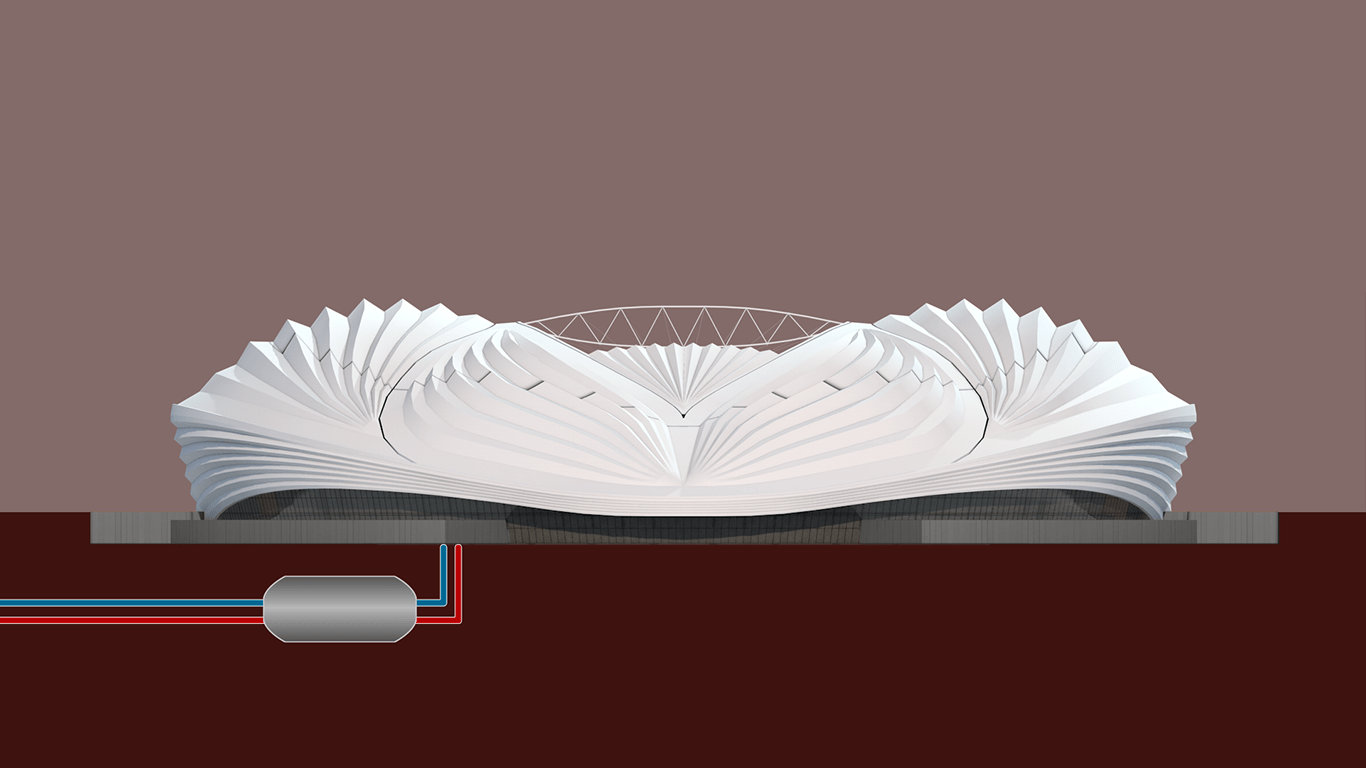
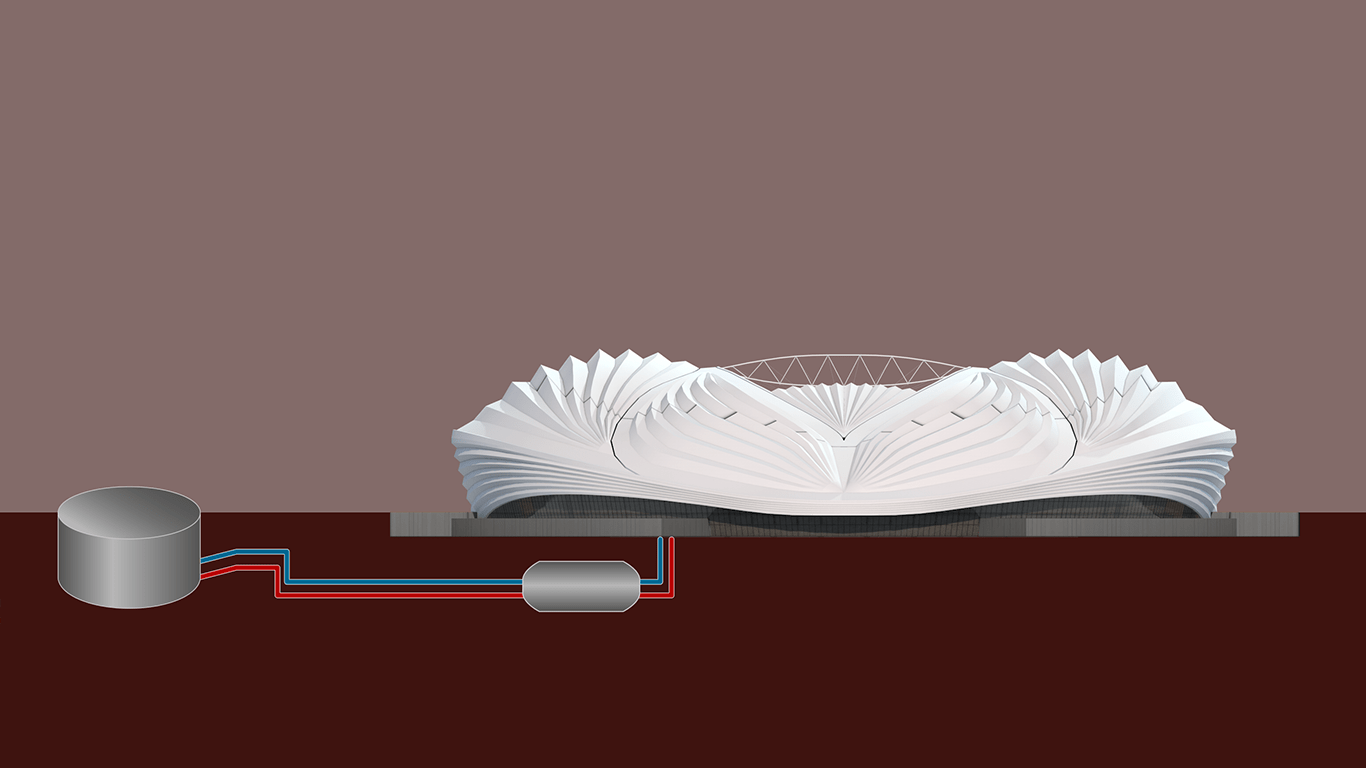
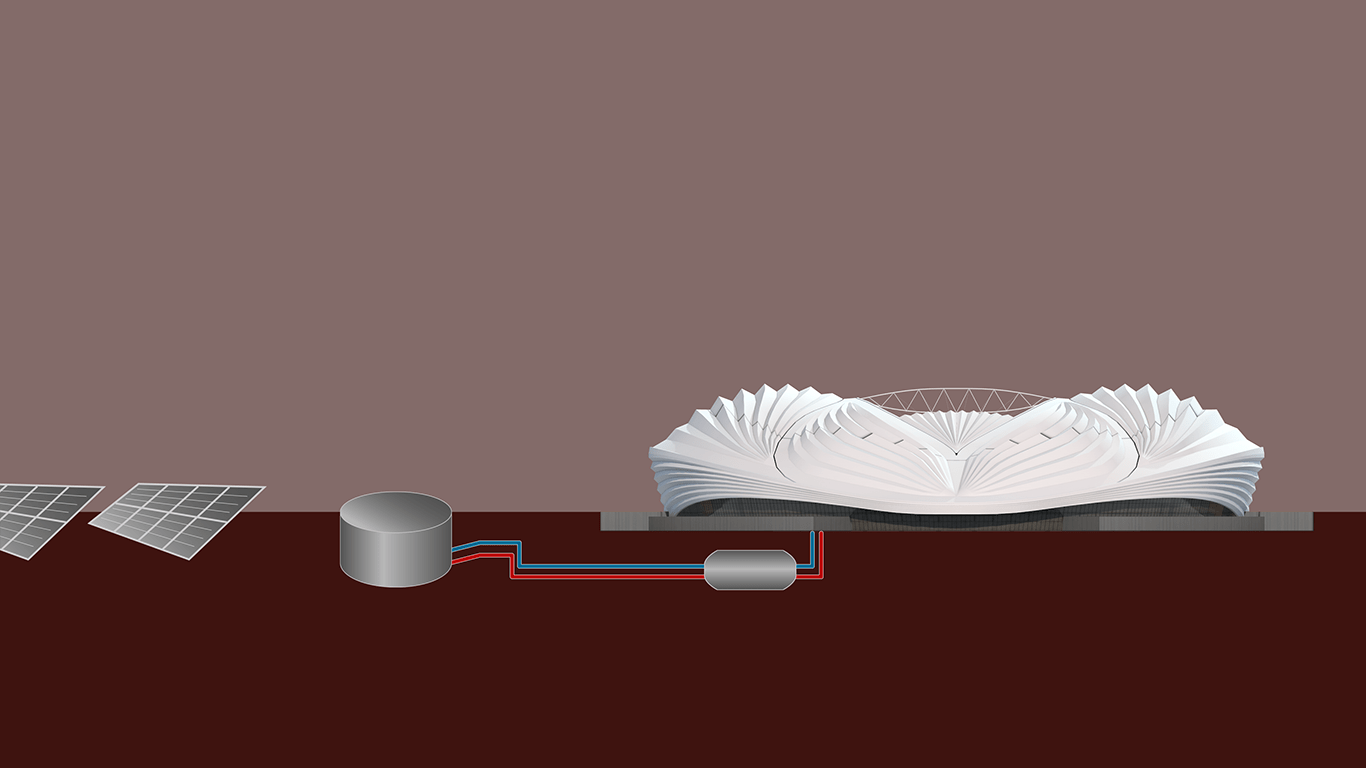
Di warm air dey cool by funnell through pipe wey dey full wit cold water water in heat exchangers for each corner of di stadium.
Once di cold water absorb di heat, e go pump inside one big 40,000 litre storage tank, 3km (1.86 miles) away, wia e go re-cool, ready for di next day match.
Na one solar plant go power di entire cooling system around 80km (50 miles) from di centre of Qatar capital, Doha.
Keeping tins cool on di pitch and in di stands na im make dem invent solutions. Make we look inside.
On match days, 40,000 go fill the stands, each one na source of heat and moisture.
Di hot combination of Qatar temperature and warmth dem generate within di venue call for effective cooling system.
Na cool air from di vent under each seat go cool football fans for di stands.
Di small nozzle, go act as shower head, allow air to diffuse and cover all di spectators.
Di flow dey gentle, rather dan blowing like di air inside plane.
Dis go benefit di fans, but wat about di players on di pitch?
Modern footballers fit run more dan 10km during one match, wia dem dey lose up to three litres of dia sweat, so dem need to keep cool and hydrated.
For di hot environment of Qatar, e dey harder for sweat to comot and di body fit overheat, risking heat exhaustion.
So, for di Qatar World Cup, cold air go come out from big nozzles into di stadium to help create cool air over di pitch.
Di air conditioning expert wey follow develop di system, Dr Saud Abdul Ghani, say di the angle of di vents, and wia and how di cold air spread, mean say players no go too feel di breeze.
Di result na bubble of cool air within di stadium, e no high pass two metres from di ground or stands, instead of cold air wey go dey blast into di desert sky. So wetin go happun next?
As di cool air dey warm up again, e go comot through extractor fan wey dey di middle tier area.
Den di machine go filter am, re-cool and pump back into di stadium, to complete di process.
Once di cold water absorb di heat, e go pump inside one big 40,000 litre storage tank, 3km (1.86 miles) away, wia e go re-cool, ready for di next day match.
Na one solar plant go power di entire cooling system around 80km (50 miles) from di centre of Qatar capital, Doha.
Dr Cool
Di man wey devise di entire system, Dr Saud Abdul Ghani, tell di BBC say Qatar wan create legacy, to serve di kontri long afta di footballers don go home.
One player angle
Di BBC reach out to Hajar Saleh, wey be defender wit Qatar national women football team and player since she be 11 years. She know all about di demand of playing top level sport for extreme conditions. She say head na di biggest challenge.
We dey used to heat, but wen you combine heat and humidity tins become more difficultHajar Saleh
Hajar don get first-hand experience of playing for two of di new venues wit di new air conditioning system, di Khalifa and di Educational City stadium.
She say big difference dey, especially wen playing for June, one of Qatar hottest month of di year.
Dis system dey sustainable?
Di organisers of Qatar 2022 promise say di power for cooling entire stadium no go add any greenhouse gas emission, becos di electricity come from dia new solar power facility.
Credits
Written and produced by Johannes Dell, Leoni Robertson, Sara Fayyad, Mohamad Hamdar and Dominic Bailey Design by Maryam Nikan and Gerry Fletcher Development by Kaveri Biswas and Adam Allen Project Management by Sally Morales Consultant: Professor Graeme Maidment, London Southbank University Images: Getty, Hum3D, Hajar Saleh


























 One player angle


 Striker Inaki Williams switch nationality from Spain to Ghana
  Nketiah, Hudson-Odoi, Lamptey and other players Ghana dey pursue for 2022 Fifa World Cup squad
  Cameroon vs Brazil, Ghana go meet Portugal for group stage of Fifa 2022 World Cup