How can rewilding help combat climate change?
Returning land to its natural state by letting nature take over is a newer conservation approach, but there’s a concern some initiatives risk doing more harm than good.
Rewilding, or letting nature take care of itself, can restore stability to damaged ecosystem components which support life on earth, like fungi, bacteria, vegetation, insects and animals.
But there's now a wider discussion to discover what it’s capable of on a wider scale.
International agreements for reducing the impact of climate change tend to set global targets.
However, individual governments decide how to work towards meeting those goals at a national level.
Some rewilding initiatives improve biodiversity, but it can have negative impacts too.
This week on The Inquiry, we’re asking ‘How can rewilding help combat climate change?’
Contributors:
Carolina Soto-Navarro, head of Wilder Nature at Rewilding Europe
Brendan Fisher, professor in the Rubenstein School of Environment and Natural Resources, at University of Vermont, US
David Nogues Bravo, professor in biodiversity, University of Copenhagen, Denmark
Steve Carver, professor of rewilding and wilderness science, University of Leeds, UK
Presenter: Charmaine Cozier
Producers: Jill Collins and Daniel Rosney
Researcher: Evie Yabsley
Editor: Tom Bigwood
Technical Producer: Cameron Ward
Production Management: Phoebe Lomas and Liam Morrey
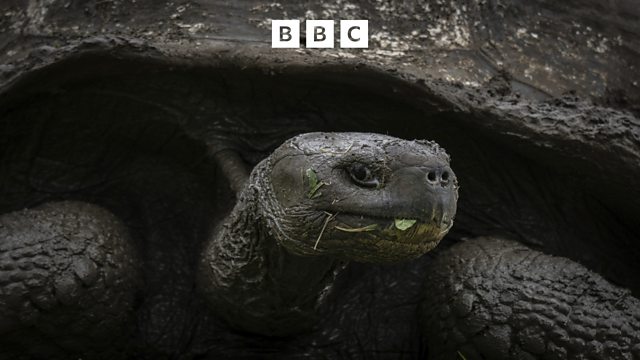
(Photo: Galapagos giant tortoise. Credit: Anadolu/Getty Images)
On radio

More episodes
Previous
Next
Featured
.
Broadcasts
- Thursday08:06GMTBBC World Service
- Thursday15:06GMTBBC World Service except East and Southern Africa & West and Central Africa
- Thursday18:06GMTBBC World Service East and Southern Africa & West and Central Africa only
- Thursday23:06GMTBBC World Service except East and Southern Africa & West and Central Africa
- Saturday19:06GMTBBC World Service except East and Southern Africa & West and Central Africa
- Sunday12:06GMTBBC World Service East and Southern Africa & West and Central Africa only
- Next Monday03:06GMTBBC World Service News Internet
Podcast
![]()
The Inquiry
The Inquiry explores the trends, forces and ideas shaping the world

Related Content