There's so much to see when you get up close to nature.
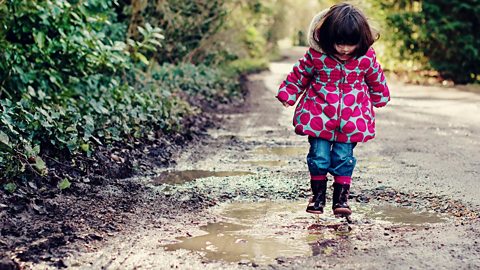
From tiny creatures to the patterns and colours of leaves and flowers - teaching your child to stop and pay attention to the details in a garden or park can open their eyes and minds to new discoveries.
Talking about the things you see is also great for their development!
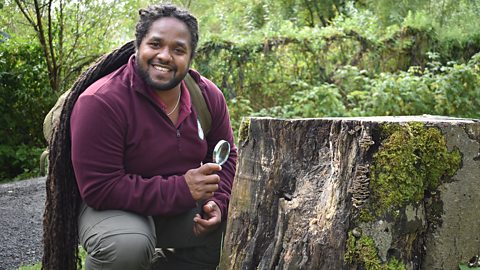
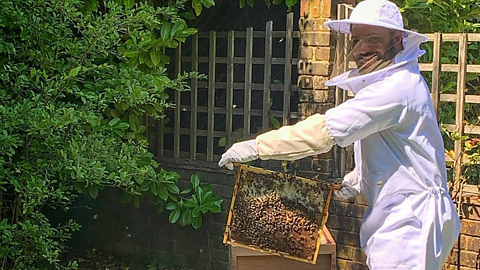
Watch the film below from CBeebies show I Can Grow It to see how presenter Aaron unearths the secrets of their city garden with his team of helpers.
Three ways to make the most of family time in nature
Follow your child's lead
Of course, it's lots of fun to point things out to your child, especially when you're helping them spot the smaller stuff. But once they're excited about exploring, follow their lead!
They're more likely to communicate openly with you if it's something they're interested in, whether that's a wiggly worm, the pattern on a leaf, or the petals on a flower.
Remember that young children find it easier to focus on one thing at a time!
By talking to your child about what has caught their attention you're tapping into their enthusiasm, but you're also helping your child to learn new words and their meanings.
Talk about colours
Typically children can recognise some colours at around 18 months to two years. But it might take them a while to associate specific colours with specific colour words.
It's a process that takes time!
You can help them learn colours through conversation and repetition, and where better than among flowers, plants and creatures?
Point out different things you see - a yellow daffodil, for example, or a red ladybird - and see if your child can identify the colour. If you can, point out multiple objects that are the same colour to help build your child's understanding.
Draw what you see!
Take some crayons, pencils and paper out with you and find something to draw!
This helps to bring all of your child's understanding together - follow their lead and choose something in the park or garden to draw, then ask your child what colours they'd like to use. Aaron's helpers in the film above spend time drawing flowers and bugs.
Don't forget to ask lots of questions about your child's drawing, like, 'What do you like about this flower?' or 'What noise do you think a squirrel makes?'
Drawing as a family is great for slowing down and noticing what's around you. It's also a brilliant opportunity for them to work on their fine motor skills and hand-eye coordination, which are important skills for starting school.