Sensory processing differences affect the way the brain processes signals from the senses. This can have an impact on your child's speech and language development.
"Children with sensory processing differences may have difficulty understanding spoken language," explains Neha Makwana, a highly specialist speech and language therapist.
They might also struggle with following directions or telling the difference between similar sounding words.
If your child has sensory processing differences, Neha has some tips to help you support their communication…
Neha: Sensory processing differences can affect the way the brain processes information from the senses, such as touch, hearing, taste, smell and sight.
Neha: Children with sensory processing differences may have difficulty understanding spoken language, following directions or distinguishing between similar sounding words, which can affect their language development. Here are a few things you can try, which could help your child's communication skills in certain situations.
Neha: Adaptations can really help your child process information and focus their attention such as wearing headphones in noisy environments and having a sensory tool to hand like a stress ball.
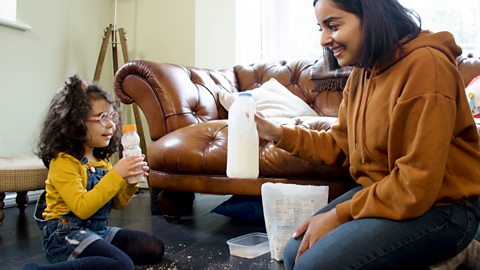
How does it feel? Does it feel squidgy?
Neha: Use trial and error to see what adaptations work best for your child.
Neha: If your child has lots of energy, instead of quietening them, try to repurpose their energy, for example allowing them to run around before settling down.
Neha: Try making the noises of different animals and see if your child can guess which one it is. This can help them focus and listen to the sounds and encourages them to describe what they can hear.
Neha: Using these tips and techniques can help your child improve their attention and listening and support their processing skills. That's great for their speech and language development.
'Sensory tools' can help focus their attention
A sensory tool is something you can use to moderate or focus your child's senses. For example, a pair of headphones in a noisy environment, or a stress ball for them to squeeze and touch.
"Use trial and error to see what adaptations work best for your child," Neha says.
Rechannel their energy
If you have a particularly energetic child, Neha explains that, instead of quietening them, you might try to refocus their energy into an activity.
This might be as simple as a run around the park, before settling down.
Play listening games to help your child practise focusing
In this film, Neha explains how matching games can help support your child's attention span.
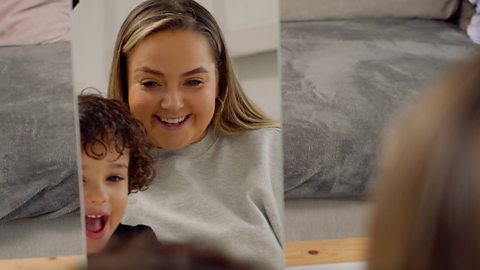
Another game you could try is making the noises of different animals and seeing if your child can guess which one it is, like the mum does in the film above.
Encourage them to describe what they can hear!