You’ve waited 9 months to meet them, but what if it doesn’t quite work out the way you imagined and there’s no surge of instant love when you hold your newborn?
Struggling to bond is far more common than you might imagine, explains Clinical Psychologist Dr Tracy Rydin-Orwin of Daisychain Psychology.
I think there is a huge myth that you will suddenly feel this instant love and joy and, in my experience, this is not the case for all new mums.
"Although mum has been carrying this little person for 9 months, you haven’t actually met face to face. So, it is like any new relationship: it takes time to get to know each other and find a way of being together."

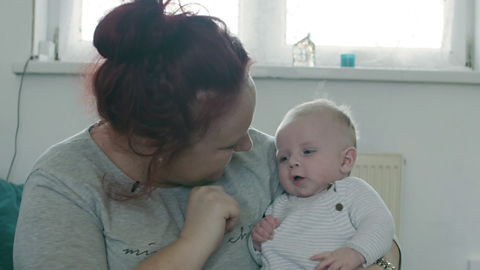
Some mums (like Shannon) find it difficult to connect with their babies because of a traumatic birth, but there are all sorts of reasons for feeling disconnected.
"For example, it might be because of previous traumas either from a mum’s experience of being parented, previous births or how the baby was conceived", explains Tracy.
But it’s not always about big or notable life events. Sometimes ‘traumas’ go under the radar too. For example, our emotional development and our self-confidence are affected by how we were brought up. "So, if you had a very anxious parent, it might mean that you struggle to develop any clear sense of who you are and what you might be capable of. Having a baby might trigger these uncertainties and bring them into your consciousness."
On top of this, not all of us are lucky to have family and friends close to support us through the challenges of early parenthood, so we might feel disconnected.
And there are incredible pressures from society and media, that only compound how we’re feeling, adds Tracy. "We are bombarded with images and stories of how motherhood should be and what it should look like. What we don’t see are the real struggles."
What signs and symptoms should mums be aware of?
The sense that you’re not connecting with your baby can trigger all sorts of emotions.“You might feel anxious about getting it wrong, guilty about not being a good enough mother, guilty that you should be feeling a certain way,” explains Tracey. “You might also feel isolated, worried that you’re the only one feeling this way and convinced that there must be something wrong with you.”“In turn, this can leave you feeling sad and disconnected – which then compounds the feelings of guilt. What we might easily refer to ‘depression’ can often be the feeling of hopelessness of being stuck in this cycle.”
What should someone do if they’re feeling like this?
When you’re battling all these feelings inside, opening up to friends and family can be an important first step. And patience is key. “You need time to build your relationship,” adds Tracy.
Speaking with other new mums and babies can also be extremely helpful, even via video call. “This is because watching others and hearing and sharing stories can help you form a more realistic sense of what being a new parent might be like. Seeing your baby interact and play with other babies is also great for them and for your wellbeing too,” explains Tracy.
But getting professional help is also vital – remember, there’s no shame in speaking to your GP, midwife or health visitor. They are professionals and are trained to help. “You might worry that you’ll be judged for being a ‘bad mother’,” says Tracy. “But getting this support will help you work through your feelings, build a bond with your baby and feel more positive about being a mum.”

Further information
For more information about mental health and wellbeing, check out the dedicated area on the NHS website.
The Institute of Health Visiting have shared their top tips for parents on a range of topics here.
BBC Action Line has details of organisations that can help support you.