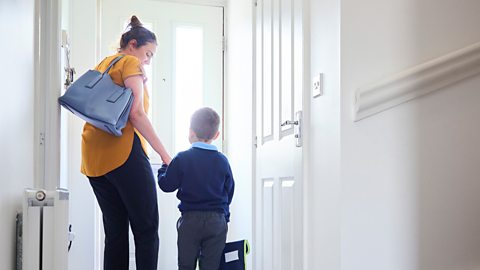
Starting school is a big milestone, but if your child appears ‘shy’ in social situations, it might feel like a huge leap.
Clinical psychologist Dr. Martha Deiros Collado gives her expert tips to help your little one feel confident starting school and making friends…
‘Shyness’ has nothing to do with sociability. It is a sign of deep self-awareness and the need for extra time in new situations. Rather than labelling your child ‘shy’, consider reframing this as cautious, thoughtful, or ‘slow to warm’.
With patience, gentle encouragement, and the right strategies, you can help your child feel safe, steady, and confident as they enter the school environment.
Why starting school can feel scary for shy children
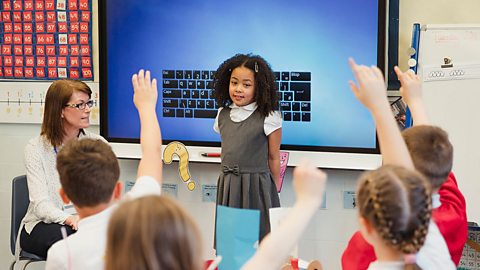
Starting school brings a lot of change: new people, changes in environment (including new toilets, dining room and play areas), and extra sensory input (noise, movement, and new routines) can be overwhelming.
It’s normal if your child feels unsure, clings to you, or hesitates to join in. What they’re communicating is that they need time to feel safe before they step forward.
Accept and assert that it is okay to be feeling the way they do. When children learn that their experience is okay, it reassures them that their feelings are valid and temporary, rather than something that needs to be fixed.
Instead of: “Don’t be shy, you’ll be fine.”
Try: “It feels strange at first going to school with new people. Lots of children feel like you do. I will help you take it one day at a time.”
How to build confidence gently before the first day
Confidence grows from practice in safe, manageable doses. Children who are slow to warm up benefit from preparation in small steps that make the unknown feel more familiar.
Show your child the school. Walk, drive or use public transport, whatever you’ll be doing when school starts. Just peeking into the playground can help reassure a child about the new environment. If you cannot physically visit, make sure to show them photos online.
Talk about:
- What they can see
- What looks familiar
- What looks new
Visualise what a school day might feel like. Use stories, books and TV series where characters experience going to school for the first time, such as Bluey’s ‘First Day’ episode and Dodge’s Pup School.
This can help your child visualise the experience of going to school and open up conversations about any worries and hopes they may have.
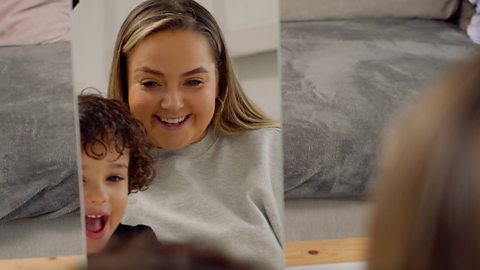
Use Role Play: Children learn the most through seeing behaviour in context. Play ‘schools’ and put your child in the role of the teacher. Role play finding it hard to say hello and let your child support and guide you through this.
For example:
Your child: “Good morning, Sam!”
You: offering a little wave
Role play putting your hand up to ask for help or joining in play with another child. Rehearsal of simple social skills helps build familiarity and lowers anxiety.
Building friendship skills
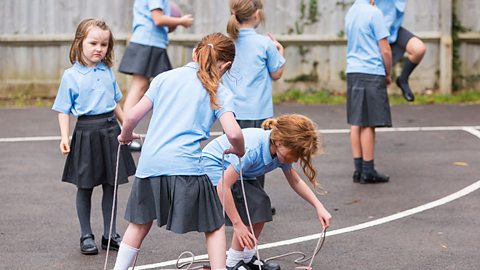
All children make friends at their own pace. For those who need extra warm-up time, it’s okay if the process feels slower. A few things you can do:
Set up 1:1 playdates: Groups can feel overwhelming, but playing with one child at a time can feel easier. Many schools have a parent messaging group or a shared email list.
Make a plan to meet with a few families and help your child get to know some familiar faces in the classroom.
Teach social scripts: Give your child simple language for low pressure interactions. Asking “Can I play with you?” can feel daunting, as there is a chance the answer will be “no”.
Keep it simple and use phrases that will spark engagement from other children without the pressure of being accepted or rejected.
Try: “What are you doing?” or “wow that’s a good drawing” or even offering a child a small toy or item as a friendly gesture.
Respect their pace. Some children prefer to stand on the sidelines before joining in. This helps them gather information about what’s happening and who feels safe.
Trust your child’s process, observing is part of building the confidence to join in.
Recruit a support team
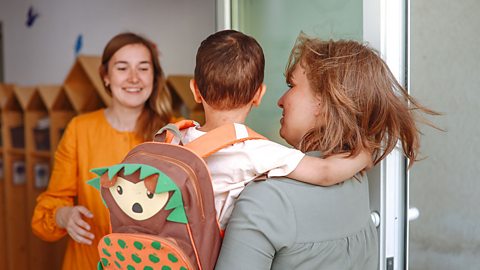
If you are worried that your child’s slow to warm temperament might hold them back at school, don’t hesitate to speak with their teacher and make a plan early on. A thoughtful start will have a better outcome.
Explain what helps your child feel safe. “She might not join in at first. It might help if she had a role in the classroom that made her feel valued, like helping to give out materials or leading the classroom to the dining hall.”
“He’s more comfortable one-to-one than in big groups.”
Ask about buddy systems. Many schools pair children together for group work. Having one safe child in the classroom can ease tension and help a child open up more easily.
Do share with your child the things you have told their teacher might help them. When you do, you’re sending the message: “Your feelings matter, and teachers are here to help.”
Trust your child’s process
Rather than thinking of ‘shyness’ like something you have to fix, think of it like two children standing at the edge of a swimming pool. One might jump in feet first, while another will wade in slowly.
Either way, both end up in the water swimming and splashing. The same is true for children starting school.
If your child is slow to warm they might spend the early weeks quietly observing and taking everything in. It’s okay if your child isn’t a social butterfly. They might be more like a tortoise, taking careful steps forward at their own pace, or like an owl, watching and listening before joining in. Trust their process.
Your child doesn’t need to be the loudest in the room to succeed at school. All they need is to feel safe, seen, and supported as they begin this new chapter of their life. Once they feel ready, they will explore, interact, and find their own school identity.