Wesak, Hanamatsuri and Parinirvana Day
Wesak
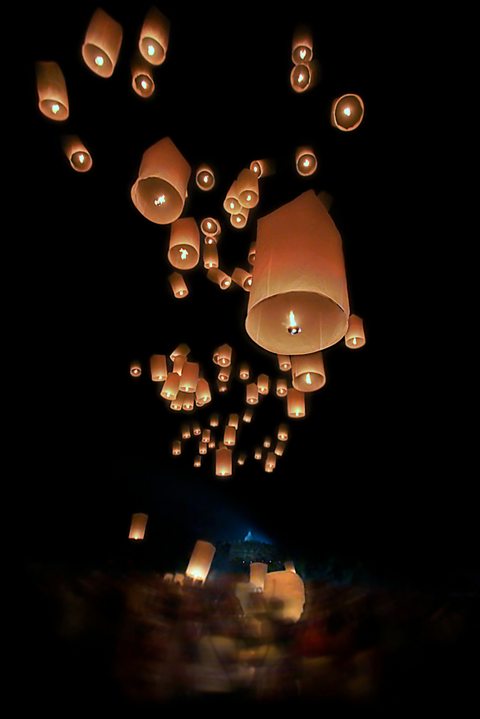
Also sometimes called Vaisakhi or Baisakhi, a spring festival in Hindu, Sikh and Buddhist cultures. In Buddhism, the festival commemorates the life of Gautama Buddha, the founder of Buddhism., is celebrated on the full moon of the ancient Indian month called Wesak. In the western calendar, this usually falls in May or early in June. In the Meaning ‘teachings of the elders'. It is primarily focused on the Arhat path to enlightenment. This branch of Buddhism can be found in Sri Lanka and South East Asia. tradition, Wesak celebrates the birth, life and The realisation of the truth about life. In Buddhism it releases a person from the cycle of rebirth. of the The founder of Buddhism, Siddhartha Gautama, after his enlightenment. It is a title which means the enlightened or awakened one.. The festival is sometimes called ‘Buddha’s Birthday’, although it commemorates the Buddha’s whole life and eventual passing into An indescribable state, held by Buddhists to be the ultimate goal of religious practice, involving breaking free from the cycle of samsara..
Wesak is a joyous time. Buddhists chant and Thinking quietly as a spiritual or religious exercise. Connection of the mind and soul with the Divine using breathing and other techniques. In Buddhism, using one of a set of techniques or exercises for calming the mind, developing positive emotions and understanding the way things are. in the temple, focusing on the Three Jewels (also called the The three essential components of Buddhism: the Buddha, the Dhamma/Dharma (the teachings of the Buddha) and the Sangha (the Buddhist monastic communities).), which are the Buddha, the Dhamma is Buddhist doctrine about the nature of existence and includes the teachings of the Buddha. and the The Buddhist community of people who practice the faith, usually used to mean the community of monks and nuns. . Buddhists also make offerings symbolising Not lasting forever., such as flowers or incense sticks.
During Wesak, Buddhists make an effort to refrain from conflict and violence and they try to bring joy to others. Vegetarian food is eaten and in some countries birds or animals are released from cages to symbolise liberation. Donations are made to the poor and needy as well as to monasteries and temples.
One of the major schools of Buddhism, it includes Tibetan and Zen Buddhism. Buddhists celebrate the birth, enlightenment and death of the Buddha on three different days throughout the year. However, the Mahayana celebration of the Buddha’s birth usually falls on the same day as Theravadin Wesak.
Hanamatsuri (Japan)
Buddhism in Japan mainly follows the Mahayana tradition. Japanese Buddhists celebrate Buddha’s birthday at a spring festival called Hanamatsuri or the Flower Festival. Streets, shops, houses and temples are decorated with flowers. Children wear flower decorations and traditional Japanese clothing. Models of the Buddha surrounded with flowers sit in Buddhist temples. The festival celebrates both the Buddha and the coming of spring and new life.
Parinirvana Day
In Mahayana tradition, the death of the Buddha is marked by In Buddhism, parinirvana is the final nirvana after bodily death has occurred. The enlightened soul is released from the cycle of birth, death and rebirth (samsara). Day. The word ‘parinirvana’ refers to the Buddha’s ‘complete nirvana’, or complete liberation from In Hinduism, Buddhism and Sikhism, this is the cycle of life, death and rebirth.. According to Buddhist belief, the Buddha achieved enlightenment and remained on Earth to teach and guide others for a further 40 years. He died aged 80, and achieved complete nirvana.
On Parinirvana Day, Mahayana Buddhists attend the temple and may listen to readings about the Buddha’s final days. People bring gifts to their local monastery or temple to support it. They may also offer chanting, meditation and devotions. Some Buddhists go on a Parinirvana retreat.
The tone is sombre and reflective. As he was dying, the Buddha told his followers not to cry, as all things pass away. However, Buddhist think about death and impermanence on this day, as well as the souls of the deceased.
Question
What was the Buddha’s ‘parinirvana’?
His complete liberation from samsara, when he achieved nirvana.