Hormonal methods of contraception
Oral contraceptives
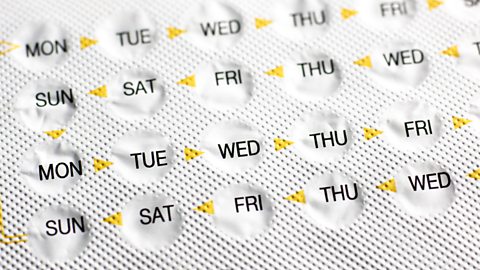
Human The ability to reproduce. is controlled by Chemical messenger produced in glands and carried by the blood to specific organs in the body., so fertility can be controlled using hormonal forms of contraception.
The oral contraceptive, which is known as the pill, contains A female sex hormone produced in the ovaries, which is responsible for puberty in girls and the regulation of the menstrual cycle. or Sex hormone produced by the ovaries and placenta.. These hormones inhibit the production of Follicle Stimulating Hormone. It stimulates oestrogen production and the growth of follicles (egg-sacs) in the ovary. It is secreted by the pituitary gland., and eggs cannot mature.
Benefits and risks
Oral contraceptives are more than 99% effective if taken correctly and can reduce the risk of certain cancers.
However, there are possible side effects. Periods may become lighter, more frequent or stop altogether. Bleeding between periods might occur. A small number of people develop high blood pressure. Other side effects may include headaches and dizziness, acne, changes in mood and weight gain but there isn’t enough evidence to confirm this yet. The pills do not protect against sexually transmitted communicable diseases.
Contraceptive injections, implants or skin patches contain slow release progesterone to inhibit the maturation and release of eggs.