Radio announcer and television commentator, John Snagge started his BBC career in 1924 in Stoke on Trent, in what was then a regional radio station, before present day local radio had been thought of. He has a unique insight into the life of the BBC's first Director General, John Reith, and insightful reflections on the 'grammar' of radio itself.
Interviewed by John Lane
1924: Assistant Director of BBC 6ST (Stoke on Trent regional radio)
1928: Announcer at BBC 2LO (London regional radio)
1939: Presentation Director
1944: Presenter, War Report
1954: First BBC TV Newsreader
1965: Retired
Interview topics:
- His work at BBC 6ST in Stoke on Trent, and how his father intervened in his interview for his job
- The BBC and the General Strike and how that related to BBC 6ST
- Evening dress as worn on air in London
- Move from Savoy Hill to Broadcasting House
- Snagge, broadcasts and dealing with the Royal Family
- Origins of the Royal Christmas broadcast
- Early attempts at bringing in regional accents on air
- Air raid commentary during the war
- 1948 Olympic games
- Snagge's involvement with The Goons
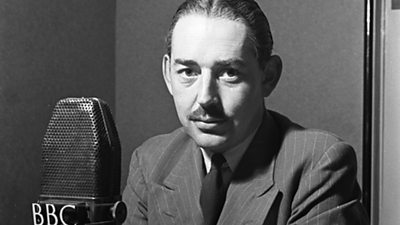
John Snagge OBE
Radio announcer and television commentator John Snagge became one of the definitive voices of the BBC, particularly during World War II.
Sir James Redmond
Pioneer of early television, Engineer Sir James Redmond explores why Alexandra Palace was an ideal location.
Sir Francis McLean
Former Director of BBC Engineering, McLean's BBC career started much earlier in the 1930s.
George Campey
George Campey was a Television Publicity Officer and a Press Officer amongst many other senior roles in the BBC.