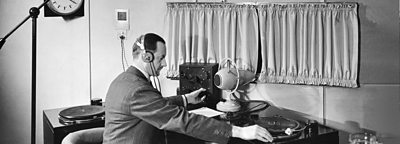
The BBC launched its Empire Service (as it was then called) on 19 December 1932, helped by new short-wave radio technology that allowed signals to be broadcast over vast distances.
Despite gloomy predictions from the BBC's director-general John Reith - "The programmes will neither be very interesting nor very good", the broadcasts received praise, and were further boosted by the support of a Christmas message from George V (the first ever) to the Empire a few days later.
World War II saw a huge expansion of the international remit of the service, now re-named the Overseas Service, with coverage in over 40 different languages by the end of the war. It also saw the development of the Service as a lifeline news broadcaster, especially in occupied Europe, where the seminal broadcasts of General De Gaulle launched the Resistance.
The Cold War years were challenging for the Service which was blocked in many countries, and BBC Service journalists were often targeted personally, memorably the Bulgarian correspondent Georgi Markov who was killed by a poisoned umbrella in London in 1978.
Later political shifts saw the closure of many European language services, and a re-prioritisation of other zones and media, notably the expansion of a television service for Arabic in 2008 and for Persian in 2009.
In 2012, World Service (renamed yet again in 1965) left its iconic home Bush House, where it had been since 1941, and joined other BBC journalists in Broadcasting House, where it continues to broadcast to over 180 million listeners and viewers around the globe.
December anniversaries
Ireland: A Television History
2 December 1980
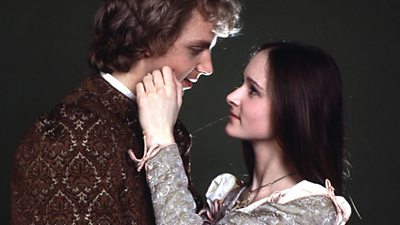
Start of The BBC Television Shakespeare
3 December 1978
The World About Us
3 December 1967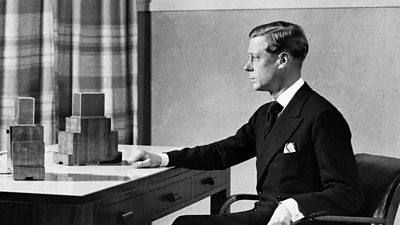
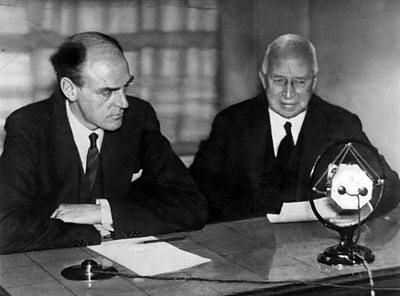
Edward VIII Abdication speech
11 December 1936