Sheep and cattle swap boosts biodiversity - studies

 BBC
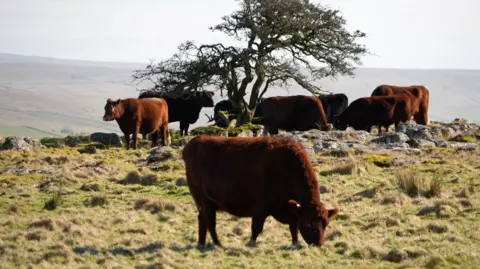
BBCReplacing sheep with cattle at a nature reserve in the Yorkshire Dales has led to a boost in biodiversity, a research project found.
Natural England began switching to cattle grazing at its Ingleborough site in the Dales in 2004, with the location now part of the 1500-hectare Wild Ingleborough project.
University of Leeds researchers found that in areas where cattle were allowed to roam, plant diversity increased by more than 40% and the number of butterflies increased.
The cattle's positive impact is down to the way in which they move through the landscape, according to Tim Thom, Wild Ingleborough programme manager at Yorkshire Wildlife Trust.
"The sheep go along and use their teeth to bite stuff, whereas the cattle wrap their tongues around the grass and pull it out, opening up the sward for flowers," he said.
The area covered by Wild Ingleborough includes grasslands, blanket bog and limestone pavements.
It is estimated that one third of the UK's plant species can be found there, according to the Yorkshire Wildlife Trust, including rare flowers like Teesdale violet, early purple orchid and Yorkshire sandwort.
Thom describes the native red poll, shorthorn and belted Galloway cattle which roam the landscape as "ecosystem engineers".
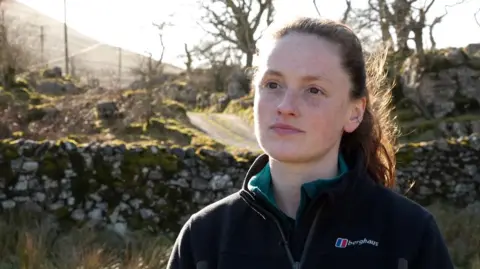
When sheep were removed and replaced with grazing cattle it was hoped plant life would see a boost.
"It's definitely been a success," said University of Leeds researcher George Porton, who co-authored the two studies.
"The cattle spread seeds around the site in their hooves, dung and in their coat."
He said they found not only an increase in the variety of species, but also recorded a jump in key wildflower species - indicating wider habitat quality.
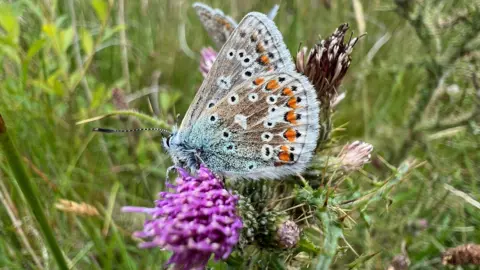
The cattle also greatly benefitted butterfly populations in the area, according to research co-author Robyn Wrigley.
"There's five times as many butterflies on cattle grazing sites compared with sheep grazed sites," she said.
"We've also found there's two times the number of species of butterfly on cattle compared to sheep grazed areas."
 Robyn Wrigley
There are four species of butterflies found at the nature reserve currently on the UK conservation red list, meaning they are at risk of extinction.
"If the butterflies are thriving it's a teller that lots of other wildlife within the ecosystem is doing well," she added.
When challenged about where traditional sheep farmers in the uplands fit in this vision, Thom said: "We're not expecting every farmer to do what we do here, but we think there are things they could learn.
"These cows require no supplementary feed, no input and yet they still get fat and could go to market for meat."
Phil Stocker, from the National Sheep Association, cautioned that sheep farming deserved recognition in terms of the "holistic value" it brought and pointed to other factors including its economic value.
"People flock to our national parks, the Brecon Beacons, the Lake District, Dartmoor, and all those national parks are strong sheep farming areas," he said.
"People don't go there because they think it's a desert, they go there because they think it's a place of beauty."
The studies were published on Thursday in the academic journal Ecological Solutions and Evidence.
Listen to highlights from North Yorkshire on BBC Sounds, catch up with the latest episode of Look North.