'Education system failed my partially sighted daughter'

 supplied
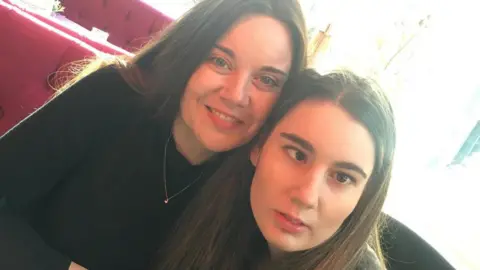
A family whose daughter's education was disrupted by sight loss have called for more educational support for visually impaired children.
Molly Mason, 20, was diagnosed with Bosch-Boonstra-Schaaf optic atrophy syndrome at the age of five, and her vision and development were both affected.
She remained in mainstream schools but her parents said a lack of modified learning resources and support from a teaching assistant stinted her progress.
Her mother Joanne Mason said: "As parents, it is devastating to watch your child lose confidence, independence and hope, not because of their disability, but because the system meant to support her failed to act in time."
 supplied
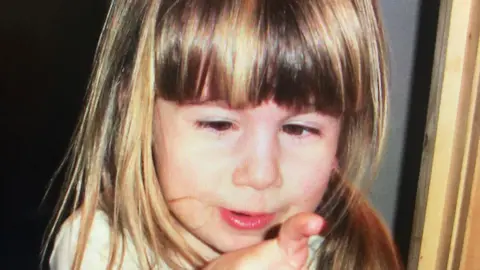
Molly, from Barnsley, South Yorkshire, is now resitting her GCSEs for a third time with only faint hopes of progressing to college.
Joanne said she had waited years for specialist support and "faced an education system where adjustments depend on capacity rather than legal entitlement".
"Post-16, those delays have compounded into anxiety, exhaustion and disengagement," she added.
Her parents believe that Molly missed out on 'habilitation', the specialised training to help children with vision impairments, at a crucial stage of her development towards the end of primary school.
Molly has only 10% vision in her right eye and her sight loss was first spotted in nursery, when staff noticed that she often bumped into things and fell over. She was non-verbal at the time.
Although her first secondary school did use visually impaired resources to help students, their approach wasn't adapted to her needs.
Molly was given the work of others in her class, which was not always printed in the correct text size for her.
The school decided it could not meet Molly's needs and she transferred to another secondary, but the transition affected her wellbeing and emotional health and she "regressed verbally".
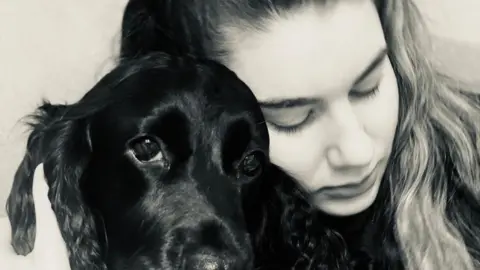
Described by her family as a "strong, determined, resilient young woman", in her spare time Molly loves playing video games and caring for her dogs Bella and Ned, but her future remains uncertain.
"Molly isn't independent, she doesn't go out alone and she has no pathway," added Joanne.
"She hasn't been to college, she's never been accepted onto a course because she hasn't got the GCSEs that are required."
 supplied
According to research by the sight loss charity Guide Dogs, two thirds of visually impaired children (69%) never receive mobility support and nearly half (45%) have never received support from a specialist teacher, while seven in 10 parents said waiting times for support were too long.
The charity is now calling on the government to use the upcoming Department for Education SEND reforms to tackle workforce shortages and funding failures to ensure visually impaired children can access timely, specialist support wherever they live.
Eleanor Briggs, head of policy, public affairs and campaigns at Guide Dogs, said:
"With the right support, children with sight loss can thrive in the classroom but unfortunately too often these young people are missing out on vital support and learning.
"Early intervention from vision impairment professionals and specialist teachers, alongside steps to make sure classrooms are inclusive, are essential if we are to ensure children can learn alongside their sighted peers."
A Department for Education spokesperson said: "Our Schools White Paper will be a golden opportunity, a once in a generation chance, to change the course of children's lives for the better.
"For too long, families have been forced to fight for support that should be routinely available when and where it is needed. Our reforms will create a better system for all families, where support is delivered earlier and more consistently, while retaining legal rights to support."
Barnsley Council said: "While we can't comment on individual cases, we're committed to ensuring that children with special educational needs and disabilities can access the support that they need. We'll continue to work with schools and partners to strengthen educational provision for those with additional needs."
Listen to highlights from South Yorkshire on BBC Sounds, catch up with the latest episode of Look North