What the end of no‑pet clauses means for renters

 Getty Images
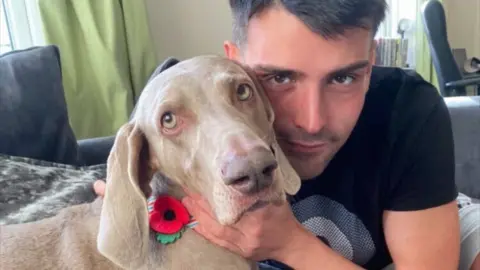
When lockdown turned life upside down for Jordan Adams, one absence weighed on him most.
Living alone in a ground‑floor flat in Sutton, south London, he found himself not only cut off from friends and family, but from his dog Jasmine.
"Being a single man and living on your own in your 20s at that point was really difficult," Adams says.
So when the chance came to look after his beloved family dog, he asked his landlord for permission.
But a rejection came back almost immediately, with no explanation offered.
It's a disappointment many renters say they recognise, with pet ownership feeling out of reach. Not for lack of space or love, but because tenancy agreements often prohibit it.
Fewer than one in 10 rentals is advertised as pet-friendly, a situation the government says it wants to address.
From 1 May, new rules will give tenants in England's private rented sector the right to request to keep pets.
The change, which is part of the Renters' Rights Act, means landlords will have to consider each request "fairly," putting an end to no‑pet clauses.
However, the law won't apply to all tenants. And some landlords have spoken of nervousness about what happens if tenancies go wrong.
When can a landlord say no to a pet?
Under the new law, landlords can only refuse a request in certain circumstances, including:
- Another tenant has an allergy
- The property is too small for a large pet or several pets
- The pet is illegal to own
- If the landlord is a leaseholder, and their freeholder does not allow pets
However, a landlord cannot refuse permission because they:
- Do not like pets
- Have had previous tenants with pets who damaged the property
- Have general concerns about potential damage or think a pet might affect future rentals
- Know the tenant needs an assistance animal, such as a guide dog
A tenant will need to make a request in writing, and their landlord will then have 28 days to make a decision.
Each pet has to be requested separately, with landlords assessing applications on their own merits.
If an agreement can't be reached, the decision can be challenged and may be reviewed by an ombudsman.
 Jordan Adams
Adams, who has campaigned for a change in the law, says he understands the hesitation of some landlords. But he argues properties are "more likely to get damaged from children" than from well-behaved pets.
'It's one word against another'
Desiree Cox owns and manages four rental properties in south‑east London with her husband, but is in the process of selling up, in part because of the Renters' Rights Act.
She says the couple have decided to exit the market because of a system that has tipped out of balance.
"We are providing a service to other people," she says, but feels the rules are now "ridiculously biased towards tenants," leaving landlords facing "more compliance, higher management fees and greater responsibilities".
Although she doesn't allow pets as a rule, Cox says she has "tried to be lenient" when asked and has always said yes.
But after one tenant's dog chewed through the carpet, she says she was unable to recover any costs.
"We took photos of the flat, the furniture, but we hadn't really thought about taking detailed photos of the carpet." And because the tenant denied the dog had caused the damage, Cox said it became "one word against another".
Other experiences were more positive. "We had other people with cats, which were absolutely no problem," including one tenant who replaced a damaged sofa without being asked.
Cox says she wants tenants to "feel at home," but disagrees with the new rules, as landlords "should have some say over what is going on" in their properties.
 Russell Hunt
Matthew Pennycook, the minister for housing, has told BBC London that the new law will bring in "long overdue fairness for tenants".
"Pets are part of the family and bring joy and companionship to many people, including children, the elderly and people who might be struggling with loneliness."
He says the law will stop renters being "torn from their pets because they've been evicted at short notice and desperately need a new place to avoid homelessness."
Even so, some are unsure how effective the law will be.
'Nothing will change'
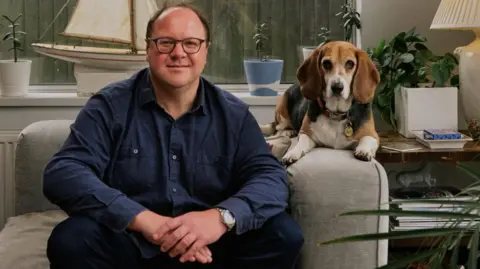
Russell Hunt, who founded Pets Lets, a company which helps renters find pet‑friendly homes, worries that "nothing will change" for people looking to rent with a pet.
Although landlords will have to consider requests from current tenants, they still have the final say over who they rent to. And with rules preventing landlords from charging extra fees or requiring pet insurance, Hunt believes many will simply "look for an excuse" to say no to pet owners.
Hunt argues pet owners can actually be "more responsible" tenants because they value having a pet‑friendly home.
But he says the initial approach taken by renters is important.
He advises pet owners to provide as much information as possible about the pet, along with evidence they are responsible owners.
"If they're old, what are they going to do? They're going to sleep a lot," he says.
"If you've got multiple pets... I've had clients where they've showed a picture of all their cats eating together and it's been very tidy."
 Battersea Dogs & Cats Home
With so few properties available, Hunt says prospective tenants also need to be proactive.
He explains that adverts usually don't indicate whether pets are permitted, "because the agents don't know either".
So he suggests calling local estate agents directly and letting them know what you're looking for.
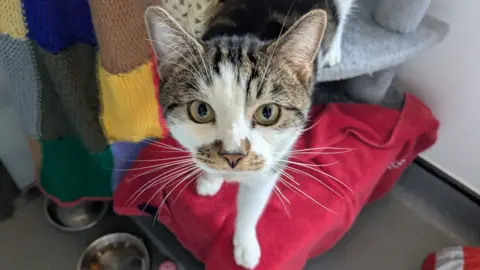
Ben Parker, public affairs manager at Battersea Dogs & Cats Home, says housing issues are "one of the most common reasons" pets have to be given up.
That was the case for Lewis, a domestic shorthair who was brought to the charity after his owner faced eviction.
Despite trying to find someone who could take care of the cat, Parker says the owner "was forced to make the difficult decision" to give him up.
He's hopeful that the law, long backed by the charity, will "improve things for the better," but says Battersea's campaign is not over.
Parker says owning a pet brings "huge" mental and physical health benefits. Beyond companionship, he says "getting out, walking a dog and meeting people in your local community" can make a difference to people's lives.
"Pets are not just nice to have, they play a really important role in our society."
Additional reporting by Kris Bramwell
Listen to the best of BBC Radio London on Sounds and follow BBC London on Facebook, X and Instagram. Send your story ideas to hello.bbclondon@bbc.co.uk