Car spins 180 degrees and crashes into ditch near wildlife reserve

 Gwent Recovery Towing Service
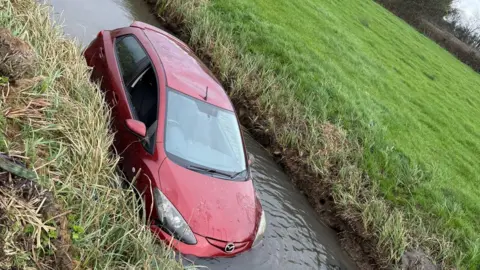
A car spun 180 degrees and crashed into a ditch near a wildlife reserve - the latest in a spate of incidents, residents have claimed.
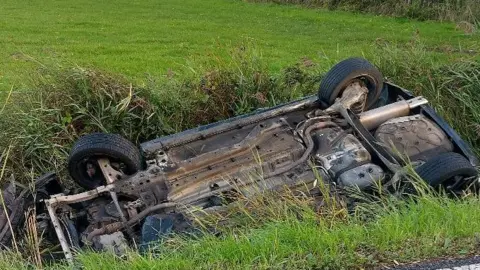
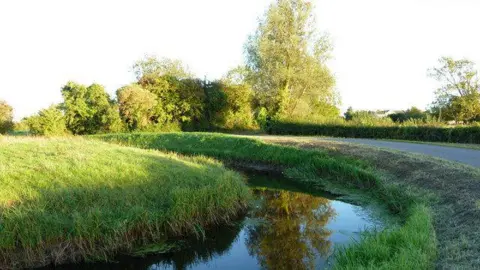
They say vehicles have been plunging into reens at Goldcliff, on the Gwent Levels near Newport, which are designed to manage water levels.
Following the latest incident on 12 March, Gwent Recovery Towing Service owner Grant Richard Laidlaw said the car spun around and went into the water backwards.
Concerned resident Lauren Eleanor Harrhy said young drivers race in the lanes, which are covered in potholes.
Newport council said its £6.6m road programme included surface treatment of Goldcliff Road from the junction Goldcliff Common to Chapel Road.
 Khalis Islam
Laidlaw, 32, said the lanes were "little" and "can be slippery" for drivers, adding that he had already been forced to drag five or six cars from the ditches and urged people to be careful.
"Sometimes there is muck on the road," he said.
"The [people in the cars] are usually a bit shaken up, sometimes they leave them [their cars] until the next day."
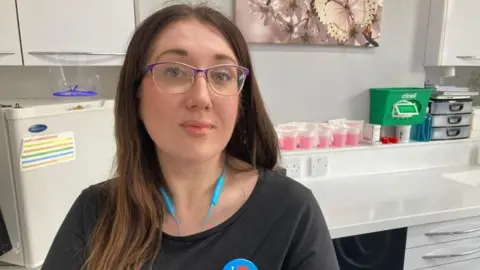
Harrhy said young drivers brought their cars to the lanes to race because it is quiet.
The 40-year-old dentist does not allow her three children to ride their bikes in the lane, which is near where they live.
"There are no pavements and lots of awkward corners in the area," she said.
Her eldest daughter "isn't far away from taking her driving test" and she is worried about her driving on the road in the future.
"The road markings aren't clear and maintained, there are potholes everywhere at the moment," she added.
 Ruth Sharville/Geograph.org.uk
She believes signs warning of the dangers and more lighting could improve road safety, but is unsure that barriers to stop cars crashing into the reens would be appropriate because it is close to the Newport Wetlands wildlife reserve.
The Goldcliff Lagoons are made up of three water bodies which are a crucial habitat for the breeding of wild birds and rare species, including the shrill carder bee.