AI 'traffic twin' helping to reduce delays

 BBC/David Macmillan
Transport bosses say a traffic system powered by artificial intelligence (AI) has reduced delays and sped up bus journeys.
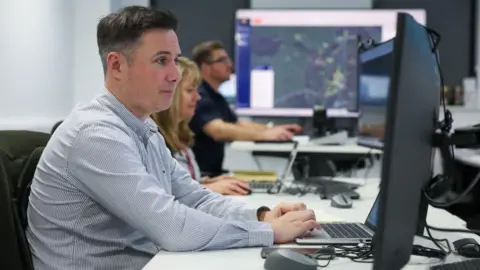
A virtual replica of the Tees Valley road network, called a "digital twin", has been created to collect traffic data and uses AI to predict where problems will occur.
The first phase of the pilot project reported a reduction in delays of 13.7% over six months.
Tees Valley Combined Authority's digital transport delivery manager Sean Fryer said: "It allows us to mitigate against the everyday occurrences that would usually frustrate people trying to get home or to work."
The system collects data from sources including GPS-tracked buses and roadside sensors.
"It also provides an automated response across 11 hotspots in the region," said Fryer.
The leader of Darlington Council and transport portfolio holder at Tees Valley Combined Authority (TVCA), Labour's Stephen Harker, said there was human oversight in the system but the AI had shown it could make quicker, better decisions.
 BBC/David Macmillan
"If traffic is held up somewhere it is aware of that, and it can look at the cycle of traffic lights and adjust them," he said.
"They're finding that the software is coming up with better solutions than the humans can, it does it far more quickly and has been quite clever about where it thinks transport should be diverted."
The Green Party welcomed the technology, but warned its success would be limited if the number of cars on the roads continued to increase.
Vehicles clocked up 13 billion miles (21 billion km) of travel on North East roads in 2024, a rise of more than 1.5 billion over 10 years.
 BBC/David Macmillan
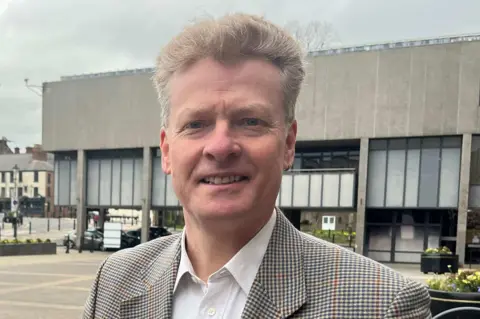
Darlington Green Party councillor Matthew Snedker said innovation must be matched by schemes to get more people onto buses and bikes.
He said: "If you plan for more and more cars, you plan to fail.
"Just building one more lane and thinking that will fix it doesn't work, it is a bit like buying bigger trousers to solve obesity."
He said a sustainable active transport system was needed that saved people money and made it easier to get around.
The next phases of the Tees Valley Traffic Digital Twin Project will add new routes and data, including freight, active travel and environmental information.