'Bankruptcy in past', says Birmingham City Council

 BBC
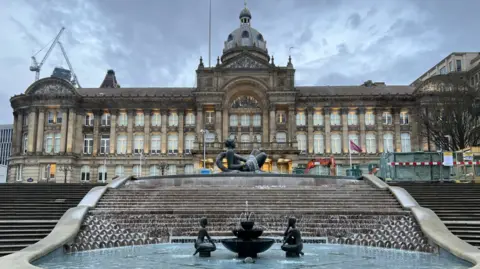
BBCBirmingham City Council has declared itself no longer effectively bankrupt after steadying its finances two-and-a-half years after hitting a budget crisis that the government stepped in to solve.
In budget documents made public ahead of a council cabinet meeting next week, the authority states its financial situation for 2026-27 will be "balanced", with services set for £130m investment.
Since autumn 2023 and the emergence of a vast financial black hole linked in part to equal pay liability, residents have seen service cuts and a 17.5% council tax rise over the last two years.
On Tuesday the council said it was no longer in such dire straits, but a maximum tax hike of 4.99% was still planned.
Council leader John Cotton said: "Thanks to the decisive tough action we took to get the council back on track, the 'bankrupt Birmingham' tag is now a thing of the past.
"We are back in the mainstream of local government."
The Labour-run council has had government commissioners in place to help steer the ship throughout its financial woes that as well as equal pay issues were connected to millions spent on a botched IT system upgrade.
Cotton said: "We have closed a £300m budget gap, we've tackled our equal pay liabilities, and we are getting to grips with improving the services that the council provides for the residents of Birmingham.
"This is an important milestone in our improvement journey and we will continue to take the difficult decisions required to be the council the people of this city deserve. I'm determined the mistakes of the past will not be repeated."
In the meantime, the council continues to work with the commissioner.
With regard to the £130m investment, Cotton said it would be spent on cleaner streets, libraries and youth provision including tackling knife crime.
Budget detail shows, though, there would still be £93m of efficiency savings made for the period - £66m which are new savings.
When asked on Tuesday whether residents should be facing a tax rise lower than 4.99% for the year after bearing such a large rise in the preceding 24 months, Cotton said there were still major services for which to provide.
He added there was support for lower income residents.
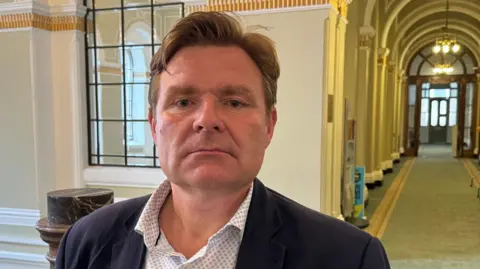
"I am very sorry that we found ourselves in a position where over the previous two budgets we had to take council tax increases that went through the usual referendum cap," Cotton told the BBC.
"This is now a balanced budget, it's a sustainable financial plan going forward," he added.
"And also we know that even after some of the rises that we've had to take forward over the last couple of years, the average household council tax in Birmingham is still in the lower end of the league table."
Speaking about the city's ongoing bin strikes, Cotton reiterated that he wanted to find a solution and that the door remained open to "realistic proposals" from the Unite union.
"No-one is happy that this dispute is continuing, least of all myself as the leader of the council," Cotton said.
"I cannot put at risk the progress that's been made on turning around the finances of this council or indeed reopening an equal pay liability that's cost this city billions."
Critics suggest any positivity in the budget is heavily caveated by the fact that the council has received a significant amount of exceptional support from government and that commissioners brought in to oversee the council show no sign of leaving.
The latest report from those commissioners, still working on the basis of being in place until 2028, shows progress is fragile.
Birmingham's Conservative group said it was "another tax and cut budget".
Opposition leader Robert Alden added: "By the end of the three-year medium-term financial plan, the Labour council will have doubled council tax since they took control in 2012 - hitting Brummies with higher taxes while refuse collections are slashed, rubbish sits on the streets, and potholes go unrepaired."
Follow BBC Birmingham on BBC Sounds, Facebook, X and Instagram.