Summary

  • The UK inflation rate fell to 3% in the year to January, the Office for National Statistics says

  • The drop had been forecast by economists - the Office for National Statistics says it was driven in part by the cost of bread, cereal and petrol

  • It's a fall from December's 3.4% rate, but inflation remains above the Bank of England's 2% target

  • Business owners tell the BBC they're still struggling with price rises - the head of a tea brand blames transport costs while a bakery owner says, for her, it's the price of ingredients

  • Chancellor Rachel Reeves says decisions made in the November Budget are bringing down inflation, but shadow chancellor Mel Stride says "families are still feeling the pinch because of Labour's economic mismanagement"

  • Inflation measures the rate of price rises over time, and is calculated by looking at common purchases - take a look through our quick guide

  1. Inflation rate drops to 3% - what it means for youpublished at 11:23 GMT 18 February

    Katie Williams
    Live reporter

    Woman looking at receipt from grocery shop, while holding paper bag containing baguettesImage source, Getty Images

    The rate of inflation dropped to 3% in the year to January, down from 3.4% in December, according to the Office for National Statistics (ONS).

    What it means: Prices are still rising, just at a slower rate - we've got a brief inflation explainer here.

    Meat, motor fuels and airfares: These are all items that helped the inflation rate fall, according to the ONS. But the effect was partially offset by the cost of hotel stays and takeaways.

    The political reaction: Chancellor Rachel Reeves says "the choices we made at the Budget" are "bringing inflation down", citing policies on energy bills, rail fares and prescription fees. But shadow chancellor Mel Stride says families are "still feeling the pinch because of Labour's economic mismanagement", referencing yesterday's rise in the unemployment rate.

    The forecast: The Bank of England said earlier this month it thinks inflation will continue to ease over the coming months, nearing its 2% target in April. Some analysts think today's drop in the inflation rate makes an interest rate cut next month more likely - good news for those with debts and mortgages.

    But some are still feeling the pinch: "I heard it announced on the news today, but I haven't felt it," says tea business owner Daniel Graham. He says higher employment costs and Brexit have made it more expensive for him to transport his tea.

    We're now bringing our live coverage to a close, but you can read more in our news piece.
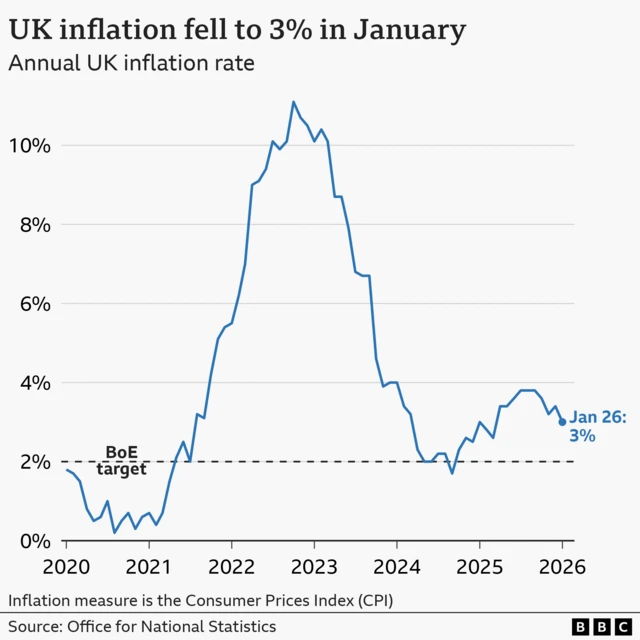
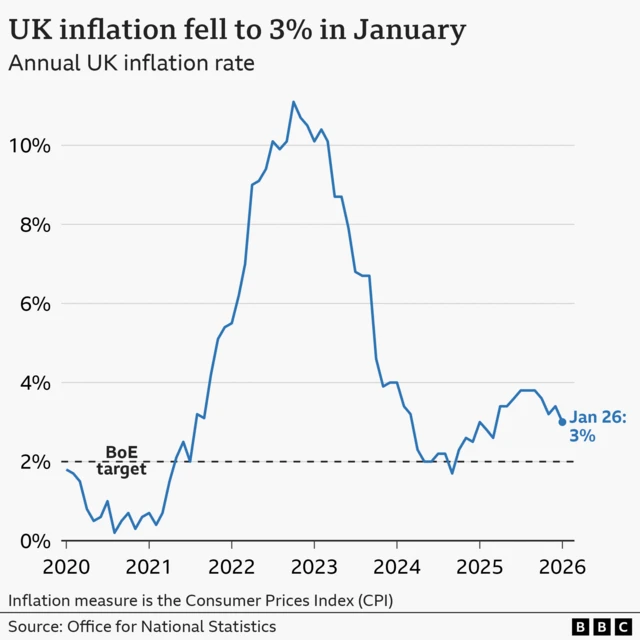
    A line chart titled 'UK inflation fell to 3% in January', showing the UK Consumer Price Index annual inflation rate, from January 2020 to January 2026. In the year to January 2020, inflation was 1.8%. It then fell close to 0% in late-2020 before rising sharply, hitting a high of 11.1% in October 2022. It then fell to a low of 1.7% in September 2024 before rising again. In the year to January 2026, prices rose 3%, down from 3.4% the previous month.
  2. Our plan to lower inflation is working, Reeves sayspublished at 11:20 GMT 18 February

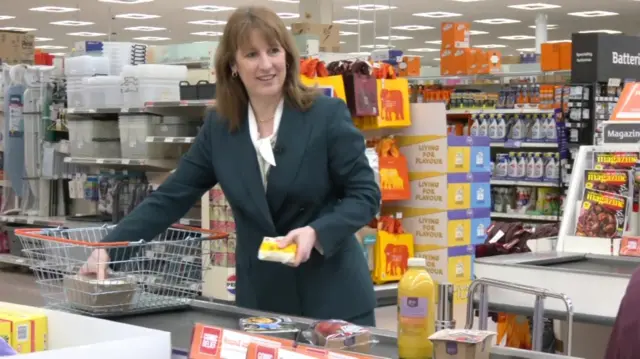
    Rachel Reeves on a visit to a supermarket unloading a basket of goods onto the conveyer belt

    We're just getting images of Chancellor Rachel Reeves, who is visiting a supermarket this morning and has been speaking to broadcasters about the latest inflation figures.

    "Our plan to bring down inflation, to bring down the cost of borrowing, that is working," she says, adding that further reductions in inflation are expected and the conditions for "investment and growth in our economy" are improving.

  3. The price of some staples fell in January, but costs are above five years agopublished at 11:00 GMT 18 February

    Tommy Lumby
    Business data journalist

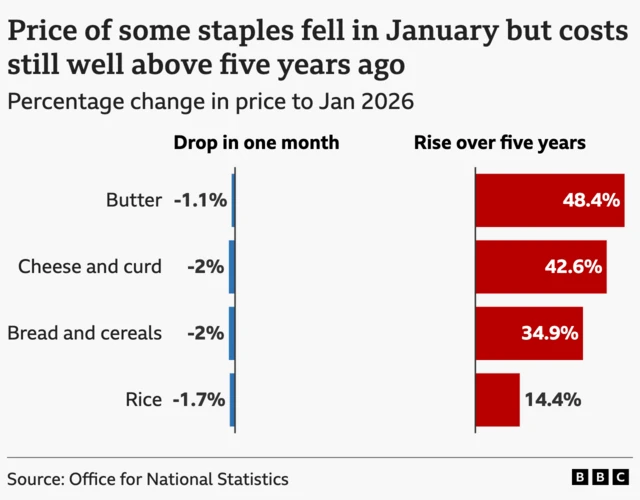
    The price of some food staples may have started to come down slightly in the month to January.

    But it’s always worth putting this in a bit of context.

    When we look over the last five years, covering the recent period of very high inflation, the cost of these supermarket items has risen significantly. I've laid that out in the chart below.

    A bar chart showing the change in price of selected food items, over the last month, and over the last five years, to January 2026. The price of butter fell 1.1% over the month, but rose 48.4% over the five years. Cheese and curd fell 2% over the month but rose 42.6% over the five years. Bread and cereals fell 2% over the month but rose 34.9% over the five years. Rice fell 1.7% over the month but rose 14.4% over the five years.
  4. Dundee restauranteur says drop in inflation is 'hopeful'published at 10:31 GMT 18 February

    Kelly Fairweather runs several small restaurants in Dundee, including The Selkie, and she is president of the Dundee & Angus Chamber of Commerce.

    She tells Radio Scotland Breakfast the drop in inflation is "hopeful", but she says she does not think it's going to change anything today or next month.

    "Obviously if interest rates also drop then that should give consumers a little bit more confidence and a little bit more money in their pocket, which is also hopeful."

    However, she also expresses some scepticism that the drop in the inflation rate will have a significant impact.

    "Once upon a time in hospitality your profit margin was 25-33%, it's now fallen to 6%," she says.

  5. Tea business owner 'hasn't felt' the fall in the inflation ratepublished at 09:52 GMT 18 February

    Mitchell Labiak
    Business reporter

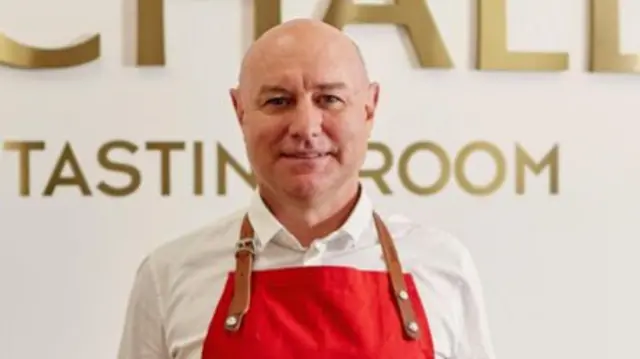
    Daniel Graham, managing director of Birchall, wearing a red apron and standing in front of a sign that reads: Birchall master tasting roomImage source, UGC

    If you're enjoying a cup of tea this morning, you might not have considered all the costs involved in getting that brew into your mug.

    Daniel Graham, managing director of Birchall, certainly has. He tells me that running the tea business his great, great grandfather founded in 1872 is much more expensive than it used to be.

    "I haven't seen price increases like this since I've been involved in the business going back to 1994," he says, adding it has been particularly noticeable "over the last three or four years".

    A big reason for this is transport costs. The couriers and trucking firms which Birchall uses are paying their staff more and this added cost is being passed onto his business. In addition, Brexit means Birchall has to pay additional fees to export from the UK, where it is packaged, to the EU.

    Though today's figures show inflation is falling, it's given him little solace.

    "I heard it announced on the news today, but I haven't felt it," he says, adding that costs for him have already increased this year. "And we're only in February," he says.

  6. Bigger picture is 'bleak' despite inflation rate drop, Lib Dems saypublished at 09:35 GMT 18 February

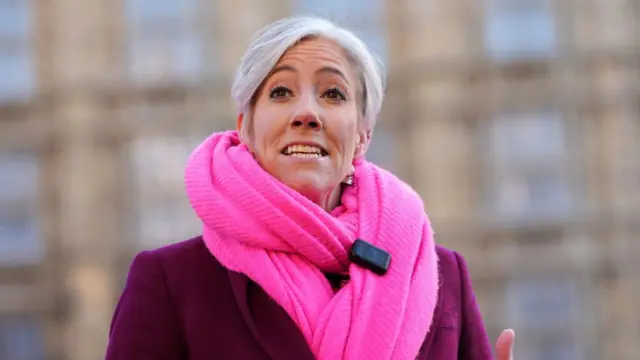
    Cooper wears a pink scarf has she speaks to media outside WestminsterImage source, Ben Whitley/PA Wire

    Liberal Democrat deputy leader Daisy Cooper says the drop in the UK inflation rate "offers a glimmer of hope but the bigger picture is still bleak".

    Cooper also questions why Chancellor Rachel Reeves "refuses to pull the biggest growth lever available" by securing "a better trade" deal with the UK's European allies.

    She says that this would boost growth and cut the cost of living.

  7. Households could see energy bills ease this spring, but there's a caveatpublished at 09:23 GMT 18 February

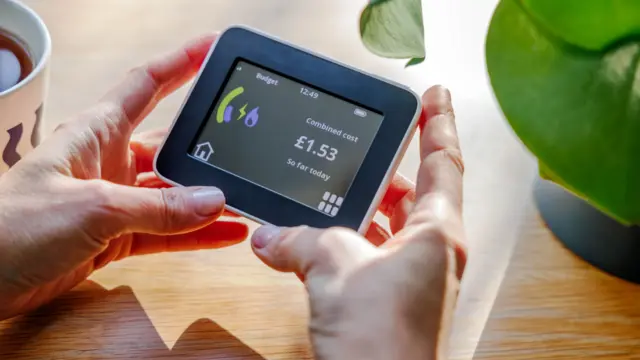
    Person holding energy smart meter with plant and table in the backgroundImage source, Getty Images

    Energy prices have been a big driver of inflation in recent years, with prices starting to rise after the pandemic, before surging when Russia launched its full-scale invasion of Ukraine in 2022.

    However, there could be some good news on the horizon for bill payers.

    The next energy price cap announcement is due next week, affecting how much millions of households will pay for each unit of gas and electricity from April.

    Forecaster Cornwall Insight expects the price cap to drop by 7%, bringing the typical annual bill to £1,641 - a drop of £117 compared to the previous cap.

    Speaking to BBC Breakfast, Cornwall Insight's principal consultant Craig Lowrey says this would be the "lowest level... since the third quarter of 2024", but there is a caveat.

    Even after the drop, bills are expected to remain well above the level seen at the end of the last decade.

    • For context: The price cap affects those on a variable rate tariff, and is reset each quarter. It sets maximum prices for each unit of gas and electricity, not the total bill. So, those who use more energy could pay more than the 'pounds and pence' figure quoted for a typical household
  8. A very quick guide to inflationpublished at 08:57 GMT 18 February

    As we've been reporting, the Office for National Statistics announced this morning that the UK inflation rate fell to 3% in the year to January.

    Here's our handy explainer on what it all means.

  9. Falling inflation rate due to choices Labour has made, PM sayspublished at 08:49 GMT 18 February

    Close up of Starmer in white shirt and black glassesImage source, Getty Images

    Prime Minister Keir Starmer says the drop in the UK inflation rate to 3% is a result of the "choices this Labour government has made".

    "Lower food and petrol prices are helping ease the pressure on household budgets," he adds.

    "I know there’s more to do, cutting the cost of living is my number one priority."

  10. Analysis

    Inflation is above target, but an interest rate cut is still predictedpublished at 08:46 GMT 18 February

    Mitchell Labiak
    Business reporter

    A line chart titled 'UK inflation fell to 3% in January', showing the UK Consumer Price Index annual inflation rate, from January 2020 to January 2026. In the year to January 2020, inflation was 1.8%. It then fell close to 0% in late-2020 before rising sharply, hitting a high of 11.1% in October 2022. It then fell to a low of 1.7% in September 2024 before rising again. In the year to January 2026, prices rose 3%, down from 3.4% the previous month.

    Central to the Bank of England's mission is to keep inflation at 2%. Broadly, it does this by changing its interest rate to affect how people spend and save.

    For example, when it thinks inflation is too high, the bank will raise rates to discourage people and businesses spending too much and to encourage them to save. The hope is that this will slow down price rises.

    However, at the moment, inflation is at 3%, which is above target, yet economists are still predicting an interest rate cut next month. Why? Because many economists think that inflation will continue to fall this year.

    Part of that is because global food prices are forecast to fall and this is expected to have a knock-on impact on the UK. In addition, yesterday's figures showed wage growth is slowing in the UK. That's not necessarily good news for workers, but it is one of the many things which can slow price rises.

  11. Analysis

    Today's figures raise the prospect of an interest rate cut in Marchpublished at 08:44 GMT 18 February

    Emma Simpson
    Business correspondent

    After a blip in December, inflation is now back on a downward path.

    It’s a notable fall and welcome news for households especially since the main drivers include some of our everyday essentials like petrol and food.

    Overall grocery bills are still rising, but annual food inflation is down sharply from 4.5% to 3.6%.

    The road to the Bank of England hitting its 2% inflation target is now firmly in sight. And following yesterday’s weaker jobs data, today’s figures raise the prospect of an interest rate cut in March.

  12. Further falls in inflation rate forecast by the Bank of Englandpublished at 08:32 GMT 18 February

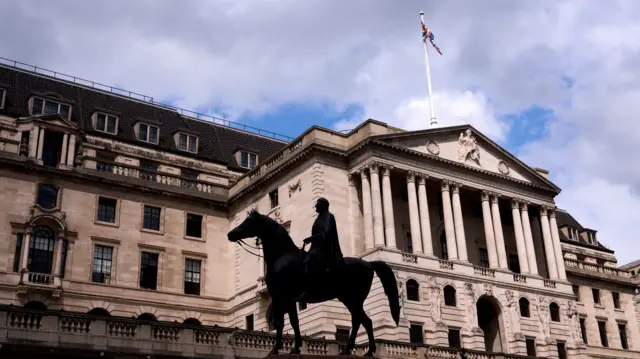
    Bank of England buildingsImage source, PA Media
    Image caption,

    Bank of England forecasts suggest the inflation rate could fall back to just above the 2% target as soon as April

    The Bank of England expects the inflation rate to fall further over the coming months.

    In a report published on 5 February, the Bank had been forecasting a rate of 2.9% today - the ONS earlier this morning announced it was 3%.

    In that February report, the Bank said it expected inflation to hover at around 3% for the next two months, before dropping sharply to 2.1% in April.

    This would bring inflation very close to the Bank's target level of 2%.

    The expected drop is likely to be driven by "developments in energy prices including from [the] Budget", the Bank says.

    • For context: In the Autumn Budget, the chancellor announced a £150-per-year cut to the typical domestic energy bill, although the delivery is a little complex - we've got more on that here
  13. How inflation affects this premium bakerypublished at 08:22 GMT 18 February

    Mitchell Labiak and Adam Woods
    Business reporters

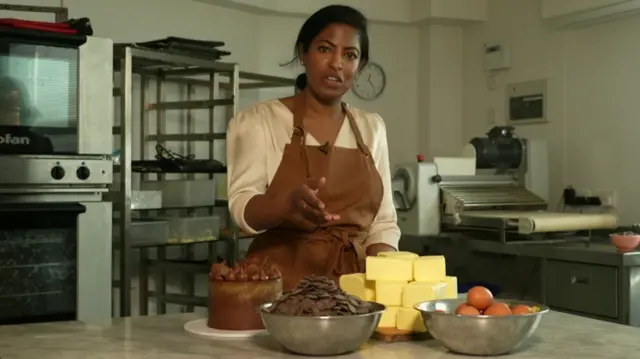
    Gaya Vara of Gaya Bakery in London stood in her bakery's kitchen wearing a brown airport with a white blouse underneath gesturing at a chcolate cake, a bowl of chocolate, a stack of butter, and a bowl of eggs in front of her on a table
    Image caption,

    Gaya Vara says she is "not going to compromise on quality"

    Food inflation may have fallen, but food prices are still up over the year. One person who knows that all too well is Gaya Vara of Gaya Bakery in London.

    The premium bakery makes cakes using high-end ingredients which have surged in price over the last 18 months.

    In particular, luxury chocolate has jumped from £12.99 a kilo to just under £20 a kilo while the French butter Gaya uses has leapt from £10 a kilo to £14 a kilo.

    Gaya says she is "not going to compromise on quality" when it comes to ingredients, which leaves the bakery with two choices: pass the costs on or absorb them.

    "And to date, we have pretty much absorbed most of those costs," she says.

  14. Latest inflation figures come after rise in unemployment ratepublished at 08:00 GMT 18 February

    Today's fall in the inflation rate comes after the Office for National Statistics (ONS) said yesterday that the UK's unemployment rate has hit a near five-year high of 5.2%.

    That was a rise from 5.1% in the three months to November.

    For those aged 16-24, the unemployment figure was 16.1%, the highest in more than a decade, according to the ONS.

    Announcing the figures on Tuesday, the ONS said the data showed "weak hiring activity" in the UK, but outlined that there are more people out of work that are now actively looking for jobs.

    For those in work, wages are still rising faster than prices, but the rate at which they're growing continued to slow.

    Read more on yesterday's unemployment figure.

  15. Airfares, bread, cereal - what's behind this fall in the inflation rate?published at 07:30 GMT 18 February

    Mitchell Labiak
    Business reporter

    Meat, motor fuels, and airfares were picked out by the ONS as some of the things that helped the inflation rate fall.

    Drivers at the pump may have noticed the average price of petrol fell by 3.1p per litre between December 2025 and January 2026, compared with a rise of 0.8p per litre the year before.

    Meanwhile, the pattern of airfares rising in December and then falling in January was "less pronounced than in previous years", the ONS says.

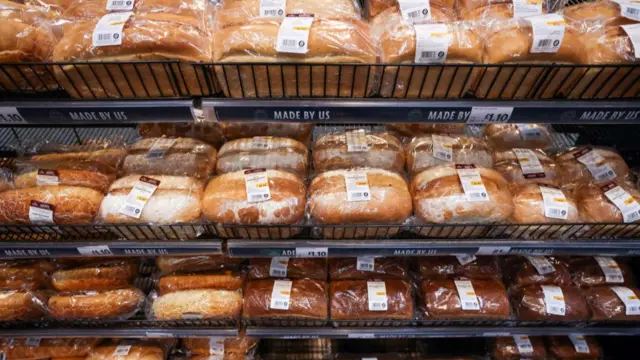
    A change in food prices also helped to push inflation down. Over the month of January, food prices fell - helping to lower the rate of price rises for the year to January. Meat as well as bread and cereals were two of the biggest drivers of this.

    Bread in a supermarketImage source, Getty Images
  16. Falling inflation rate does not mean falling pricespublished at 07:22 GMT 18 February

    Just as a reminder, a fall in the rate of inflation does not mean that the prices of goods and services are coming down - it means that, on average, they are still getting more expensive, but just less quickly.

    These latest figures mean that, on average, prices in January 2026 were 3% more expensive than in January 2025.

    The Bank of England has a long-standing target for the UK inflation rate to be 2%.

  17. Economy is weaker and working people are paying the price, Conservatives saypublished at 07:18 GMT 18 February

    Mel Stride speaks to the BBC in 2024Image source, Getty Images

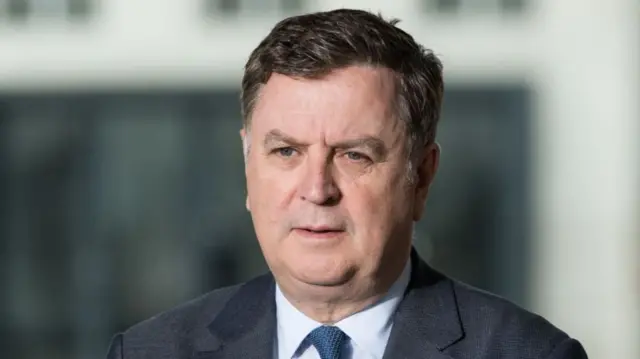
    We're now hearing from shadow chancellor Mel Stride who says, despite the inflation rate dropping, it still "remains above target thanks to Labour’s choices".

    "Families are still feeling the pinch because of Labour’s economic mismanagement," he says, before referencing yesterday's unemployment figures - which revealed the rate is at a near five-year high in the UK.

    Stride goes on: "Britain is not being governed - the economy is weaker and working people are paying the price. Only the Conservatives have a plan for a stronger economy, and a leader with the backbone to deliver that plan and get Britain working again."

  18. Reeves: Cutting the cost of living is my number one prioritypublished at 07:11 GMT 18 February

    Chancellor of the Exchequer Rachel ReevesImage source, PA Media

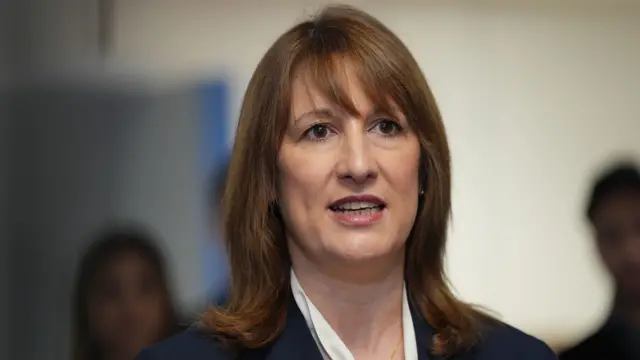
    "Cutting the cost of living is my number one priority," says Chancellor Rachel Reeves, responding to this morning's figures.

    She adds: "Thanks to the choices we made at the Budget we are bringing inflation down, with £150 off energy bills, a freeze in rail fares for the first time in 30 years and prescription fees frozen again.

    "Our economic plan is the right one, to cut the cost of living, cut the national debt, and create the conditions for growth and investment in every part of the country."

  19. Falling inflation rate driven partly by petrol prices, says ONSpublished at 07:05 GMT 18 February

    Grant Fitzner, chief economist at the Office for National Statistics (ONS), says the fall in the inflation rate to 3% in the year to January was partly due to lower petrol prices.

    "Airfares were another downward driver this month with prices dropping back following the increase in December," he says.

    "Lower food prices also helped push the rate down, particularly for bread and cereals and meat. These were partially offset by the cost of hotel stays and takeaways."

  20. Analysis

    This is what we were expectingpublished at 07:04 GMT 18 February

    Mitchell Labiak
    Business reporter

    A drop to 3%, from 3.4%, is what economists had forecast.

    It means that price rises are broadly behaving as predicted.

    It also means there may be an interest rate cut next month, but inflation still remains above the Bank of England's 2% target.

Trending Now