The need for research and development at the British Broadcasting Company was identified almost as soon as public service broadcasting was established in 1922. Based in Research Labs in Salford and in London, our teams continue to pioneer in research, design and engineering for broadcast and IP, collaborating with and setting the standard for research departments everywhere.
History of BBC R&D
1920s
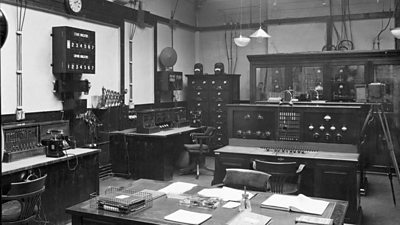
The British Broadcasting Company forms, becoming the British Broadcasting Corporation in 1927. The first BBC Engineering staff are appointed and research & development begins.
1930s
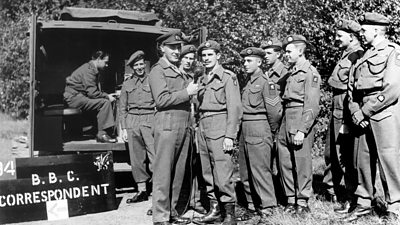
BBC Research Department forms and moves location twice. Early research is mainly concerned with short-wave radio, the Simultaneous Broadcast system, and Television.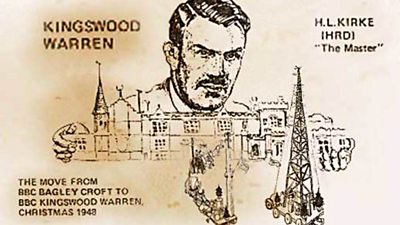
1940s
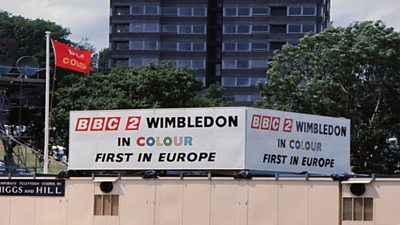
After a World War II bomb attack, the department moves to Bagley Croft followed by a permanent move to Kingswood Warren. FM radio is introduced, early tests of colour television and new magnetic recording techniques start.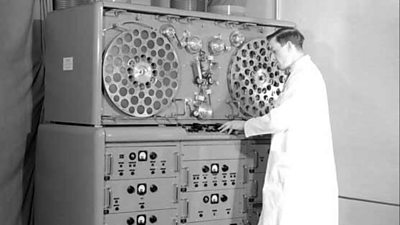
1950s
It is the decade of television. Telerecording equipment is designed and used, followed by the introduction of the department's first tape recorder and at the end of the decade, the first transatlantic television transmission takes place.