Teacher guidance
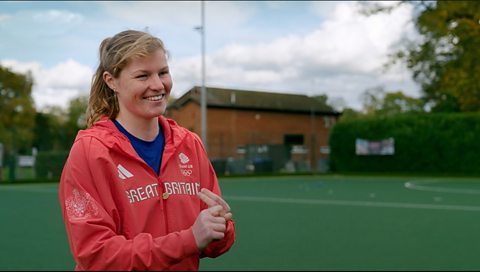
Women’s sport has never been more high profile or popular. However, at grassroots level over a million girls drop out of sport and PE during their teenage years (further data is available below). The three-part BBC Bitesize series Girls in PE: Breaking Down the Barriers explores some of the reasons why this happens, and what might help to address it.
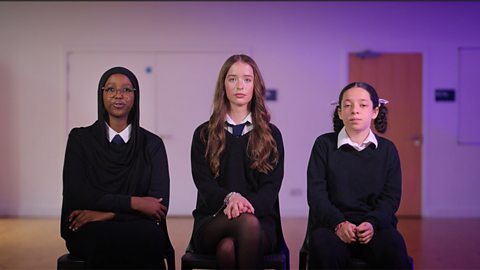
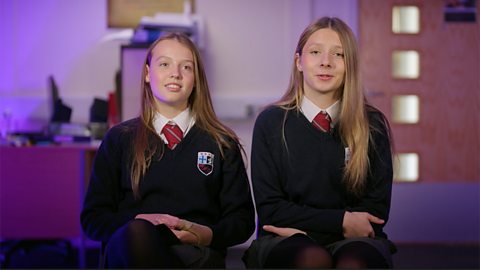
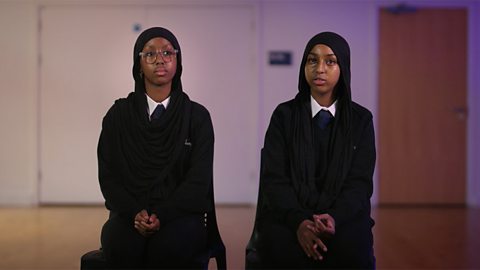
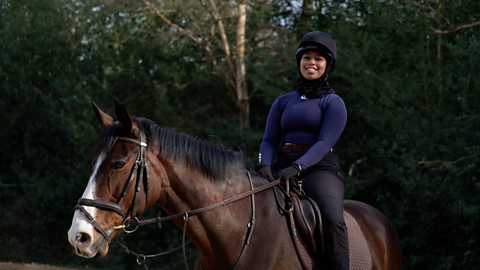
This set of interviews, taken from the Bitesize series, can be watched individually or together and used to start a discussion of why teenage girls drop out of sport, the impact this has on health and wellbeing, and ways the balance might be redressed through some simple fixes.
The videos can be used as part of a planned programme of learning within Relationships and Health education, PSHE or RE.
Safe teaching and learning
View the videos before using with pupils due to sensitivities that might be raised in subsequent discussion. Establish a safe teaching and learning environment before class viewing to enable pupils to feel safe and supported in sharing their questions, ideas and opinions.
Read this guidance and view each video before exploring it with students, considering its suitability for your cohort. Ensure a safe environment for use by doing the following for each lesson in which the videos are used:
• Create or revisit ground rules.
• Remind pupils of any existing ground rules you might already use in sessions, or agree ground rules with them before the lesson.
Examples could include:
• Be sensitive and respectful – do not comment based on generalisations, stereotypes or assumptions about how people feel and behave.
• Nobody has to share personal experiences. Everyone has the right to pass.
• Make judgements and comments based on what those in the videos and others say and do, not on who they are.
• Encourage and respond to questions safely. An anonymous question box or post-its can help pupils to ask questions privately and anonymously and enable you to prepare responses to questions you may need time to answer or identify any potential safeguarding issues or disclosures.
• Be aware of individual pupils who may have sensitivities around body image or appearance, however that might be perceived. Sensitivity is important, even if you are not aware of any personal experiences in the class – working on the basis that there is at least one person who may be vulnerable ensures safe delivery for all. No one should be placed under any pressure to discuss their own circumstances or experiences – any personal information or experience shared should be done so voluntarily and willingly.
• Always work within your school’s safeguarding and confidentiality policies and procedures: This is especially important if a pupil makes a disclosure. If you are unsure of the procedures, seek advice from your Designated Safeguarding Lead, or contact the NSPCC on 0808 800 5000.
• Signpost pupils to sources of additional information or support if they need it, including named adults within school.
Across Bitesize, we advise young people that they should always tell someone about the things they're worried about. They could tell a friend, parent, guardian, teacher, or another adult they trust. If they're struggling with their mental health, going to a GP can be a good place to find help. A GP can outline the support available, suggest different types of treatment and offer regular check-ups. If young people are in need of urgent support, there are links to helpful organisations on BBC Bitesize Action Line.
Using the videos
The videos can be used flexibly to suit your teaching needs, depending on your cohort, year group, scheme of work, learning objectives etc – you can choose how to view them with your pupils. They should always be used to support or follow-up discussion and within a planned curriculum programme.
Discussion and activities
The following notes are suggestions for ways to start discussion and introduce the topic before viewing the videos. With each video there are additional teacher notes specific to that video’s content.
Introductory activities
• Discuss some recent statistics about girls and sport - (1-3 below from the Youth Sport Trust survey 2024 and 4 from Women in Sport 2025).
For example:
85% of girls aged 7-8 enjoy sport compared to 56% aged 14-15.
46% of girls age 14-15 report a lack of confidence stops them being more active at school compared with 26% of girls aged 7-8.
Since 2017 the proportion of girls reporting a lack of confidence stopping them doing more physical activity at school has risen by 11%.
64% of girls drop out of sport by age 16.
In addition, the Youth Sport Trust found that 87% of boys enjoy PE in secondary school, compared to 58% of girls. Overall, 87% of teenage boys enjoy physical activity compared to 71% of teenage girls.
• Are pupils surprised at the drop-out rate?
• Why do they think there is a difference in enjoyment of PE between girls and boys?
Discussion groups
- Put pupils into groups of 4-6.
- Put out some pieces of flipchart paper around the room with a marker pen.
- Ask groups to move around the room writing down one reason why they think girls might drop out of sport.
- If the idea they have is already on the paper, they should think of another.
- When each group has written on all pieces of paper, collect them and read out the suggestions to the class and discuss any of particular interest.
Continuum line
- Create an imaginary line across the classroom and label the ends strongly agree and strongly disagree.
- Read out some selected statements about why girls might drop out of sport (examples below) and ask pupils to place themselves on the line depending on the strength of their response to these.
- Pick out pupils to explain reasons for their positioning.
- After viewing the videos, you could do the continuum line activity again with the same statements to see if pupils place themselves differently or give different reasons for their placings.
Corners
- An alternative to the continuum line activity is Corners: place a different statement in each corner of the room (or on walls or tables as space allows).
- Ask pupils to move to the statement with which they would most like to discuss or remain in the middle of the room if they would like to create a new statement to discuss.
- Ask pupils in different corners to discuss the statement, then give everyone the opportunity to change positions or come back to the centre to create a new statement.
Examples of statements:
• Because PE kit is uncomfortable
• Because PE kit is too revealing
• Because it’s embarrassing
• Because of painful periods
• Because there are more fun things to do
• Because they don’t care about their health and wellbeing
• Because of having to get changed in front of everyone else
Curriculum links
Relationships, sex and health education (statutory)
Links to: Physical health and mental wellbeing education: Mental wellbeing; Physical health and fitness
PSHE education (non-statutory)
Links to: Core theme 1: Health and wellbeing/Self-concept; Mental health and emotional wellbeing; Healthy lifestyles/health-related decisions
Citizenship
The videos can link to discussion about ways in which citizens can support improvement within their communities, including school-based activities (and support student voice).