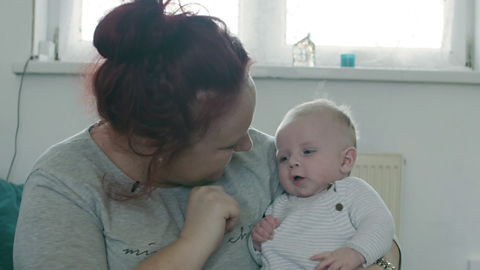
From darker days, to being back at work, there are many factors that make the late winter tough to weather.
It can be incredibly hard juggling parenting responsibilities along with the real drop in mood people can experience at this time of year.
We spoke with Dr Lowri Kew, a GP in the NHS, to learn more about how to handle these challenges.

Very real challenges
Dr Lowri explains there are changes that take place in our bodies during winter, and these changes are not just in our heads.
One of these physical changes is brought about by the lack of daylight - people have less exposure to sunlight in winter, which in turn makes them less likely to spend time outdoors. This lack of exposure can reduce your vitamin D level, which can be addressed with diet changes, and supplements.
Equally, a lack of exercise and socialising because of bad weather or low energy can be a major contributor to low mood, she explains.
"You can get ‘cabin fever’ as you're stuck inside. You may not be exercising as much, getting out or interacting with others as much… it can make life harder"
Tips to manage your mood over winter
But what can we actually do about it? Here’s some tips from Dr Lowri.
Keep goals realistic
Dr Lowri explains that setting rigid goals for yourself may not be compatible with a busy parenting schedule.
She says: "Whenever possible, try to ensure you're waking up at the same time every day and try and keep your sleep a priority. But that's almost impossible for a lot of people with young kids and this can have a huge impact on mood and functioning."
“I would change sleep goals to a goal to rest or sleep when you can. If you’re struggling to do regular exercise, swap exercise goals to simply getting some movement if you can.
Don't compare yourself to others
A major priority for parents should be self-kindness and not feeling the need to compete with those around you, explains Dr Lowri.
“I think we need to be kind to ourselves. It can be quite isolating as a parent, and you may feel you're the only one going through it, because you look at other people with kids and you think, ‘oh, they're having the perfect life and they're coping.
“You can't be perfect all the time - you are going to get irritated, you are going to get upset. Just be a little bit forgiving on yourself. There are amazing moments, but it’s hard.”
For more advice on busting the myths of perfect parenting take a look at this article.
Try to enjoy the journey
Dr Lowri says making time to enjoy the things you love guilt-free is one way to help you stay present when supporting your kids.
“A lot of parents are working on top of raising a child and then there's such a pressure to do everything perfectly and we forget that actually we just should be trying to enjoy things and getting some joy out of life.
“Get some social connection and do some things that bring joy, whatever that is, whether it's reading a book, or doing something fun.”
Seasonal Affective Disorder
One cause of regular low mood in winter months is Seasonal Affective Disorder (SAD), a type of depression that is thought to be caused by changes in light exposure.
The lack of daylight is thought to cause drops in the ‘sleep chemical’ melatonin, and the ‘happy chemical’ serotonin, causing someone to experience low mood and less energy, Dr Lowri explains.
As a parent, this might mean you struggle to keep on top of your regular responsibilities, or make it harder to manage your own emotions while parenting.
People affected by SAD tend to experience a pattern of low moods at the same time every year, ending in the lighter spring months.
The NHS has listed the symptoms of SAD here
If you or anyone you know is struggling with their mood, you can speak to your GP for advice.