Afghanistan
In Afghanistan our work supports humanitarian efforts, better health and media training for local journalists.

- Our office: Kabul
- Our areas of focus: Humanitarian aid and crisis response, health, media development
- Our partners: UK Foreign Commonwealth Development Office,European Union
About our work
We are proud to have been working in Afghanistan for over a decade - our projects and programmes now address health and humanitarian issues while supporting local broadcasters.
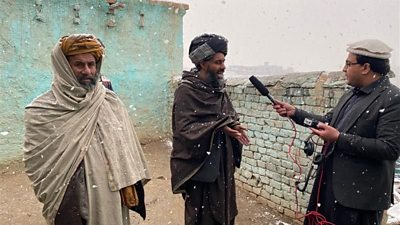
In the current humanitarian crisis, we are continuing to deliver health-focused radio programmes in Dari and Pashto on BBC Afghan services and on community radio stations. With many hospitals and health clinics closed, we are bringing important health information and advice to listeners by connecting them with doctors and mental health experts, whilst also generally encouraging people to visit the remaining clinics.
Alongside developing our own content, BBC Media Action is committed to supporting Afghan journalists to meet the needs of their audiences.
We use BBC Media Action’s established “Lifeline” approach to train and mentor journalists and humanitarians to work together more effectively to ensure communities are provided with accurate and actionable information and to make informed decisions during the current humanitarian crisis. This aims to ensure local journalists provide information and stories designed for people affected, rather than simply about them. This approach has strengthened skills and practices at both individual and organisational levels.
Research is central to our approach and BBC Media Action has a team of local researchers based across Afghanistan. At the start of any initiative, we undertake formative research to ensure that we understand the people's knowledge, attitudes and practices, as well as how they access information. With this research, we are continuing our work with the humanitarian community, sharing audience insights to help aid agencies better understand local needs to deliver a more effective response.
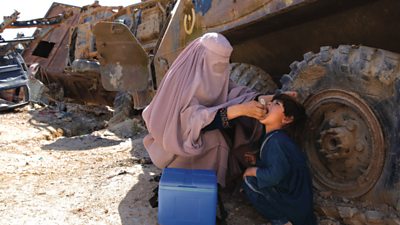
Previously, we have worked to address the deadly threat of explosive ordnance, which kills nearly 1,400 people a year - almost half of them children, and frequently young boys, who may accidentally pick up explosive ordnance while hunting for scrap metal or working in fields.
Latest news from Afghanistan
Our insight and impact
Use our research library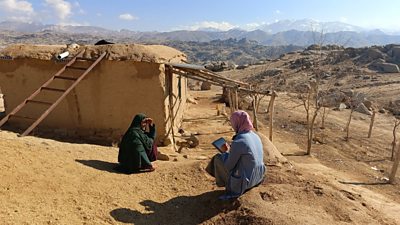
Understanding how to increase uptake of WASH, nutrition and maternal and child health services
This briefing summarises qualitative research with mothers, families, and key influencers in Afghanistan. The study sought to identify Afghans' information needs, the barriers and enablers to accessing services and adopting practices, and the key issues for communication to address.
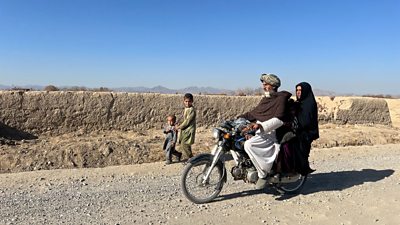
What Matters? Afghanistan Speaks!
This quarterly bulletin shares research-based insights on humanitarian issues experienced by people in Afghanistan, allowing aid agencies to adapt quickly as needs change.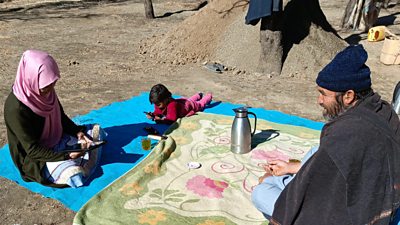
Media consumption in Afghanistan
This report summarizes research that aimed to better understand Afghans' access to and preference for different media content and platforms, their trust in media, how people use and share mis- and disinformation and ways to counter these.
Using mass media to help keep people safe from explosive ordnance in Afghanistan
This summary takes a look at the findings from a panel study we conducted in 10 most EO affected provinces in Afghanistan, to evaluate the impact of our programme.