India
Our work in India uses evidence-backed behaviour change communication to tackle critical social issues and drive impact at scale. We challenge harmful gender norms, address information disorder, build inclusive societies, and contribute to a safer, more habitable planet.
- Our office: Delhi, Bengaluru
- Our areas of focus: gender equality and inclusion; women's economic empowerment; dignity of work; climate change; resilience; health; water, sanitation and hygiene
- Our partners: Bill & Melinda Gates Foundation, H&M Foundation, Government of India (Ministry of Health and Urban and Affairs, Ministry of Women and Child Development), Centre for Social & Behaviour Change (Ashoka University), University of Pennsylvania Social Norms Group, European Union, Viacom, US Department of State, FCDO, World Bank
- Awards: Cannes Lions, the Festival of Media, GSMA for Good Awards, Global Health Awards, Abbys, Vodafone for Good, Laadli, ESOMAR, SME4, Gold and Silver at the Anthem Awards
About our work
From catchy condom ringtones to the world’s first TV drama about toilet waste, and campaigns like Invaluables that reframe dignity and rights, our India office is a creative powerhouse consistently delivering impactful award-winning communication projects for over 25 years.
Our India team has recently created flagship initiatives focused on shifting attitudes and norms, such as Invaluables, which centers dignity and rights for informal waste pickers, and Cool It Down, a podcast bringing climate change conversations closer to everyday lived realities. Invaluables is a part of our current portfolio in Bengaluru and helps shift people’s perceptions towards, and ultimately improve the lives of, the unsung heroes – informal waste-pickers. The project includes a social media experiment, a viral "Happy Number" music video, as well as an award-winning Wash the dabba campaign.
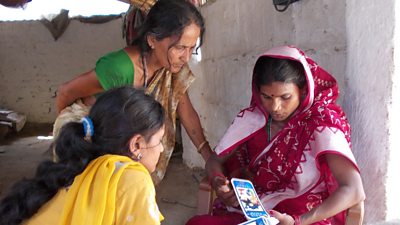
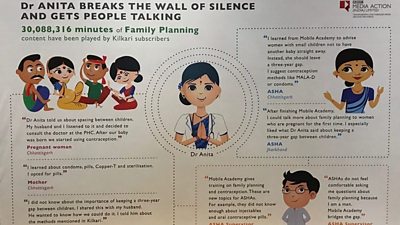
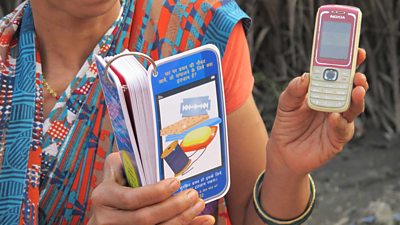
Alongside this, we created the innovative mobile health services, Kilkari and Mobile Academy, which have supported millions of mothers across India to have safer pregnancies and to better care for their newborns. Initially launched in Bihar and scaled up nationally, in 2019 we successfully transitioned the projects over to the Government of India to deliver this lifesaving work for years to come. Our learning and impact from a decade of digital development have now been published in a series of papers in peer reviewed academic journals, books, and conference proceedings.
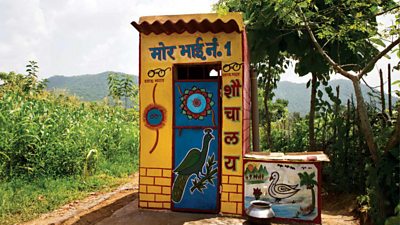
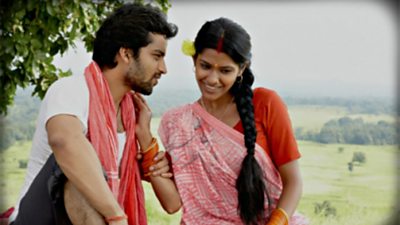
Our portfolio builds on the government's Clean India Mission. We've developed mobile training modules for sanitation workers and we cover issues including how faecal sludge is managed to prevent water pollution and the spread of disease, and how to improve the lives of sanitation workers and waste collectors in the country. We’ve raised awareness and encouraged people to act through viral social media content, colourful TV drama, animations, radio spots, and attention-grabbing national advertising campaigns, from our hit TV show Navrangi Re! (Nine to a Shade) to our integrated outdoor campaign Malasur, the demon of defeca. Our second Navrangi season - Life Navrangi (Colourful Life) - is now available on YouTube (leads to third-party site). Evidence of impact from this work has also been widely published.
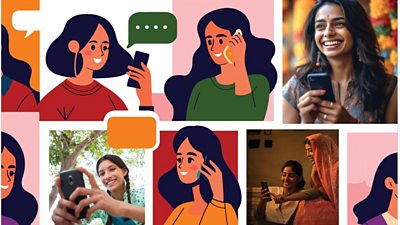
Our digital Women’s Economic Empowerment project has worked to understand and develop scalable proofs of concept for how digital technology can strengthen women’s economic empowerment through women’s collectives. We are now working with leading academics and media platforms to design an intervention on understanding and affecting change in gender norms, focused on male 'gatekeepers' to women's access and meaningful use of smartphones and mobile internet.
Our work also tackles harmful expectations around gender roles, through our successful multimedia project, AdhaFULL (Half Full), with its myth-busting teenage stars; a mobile app called Nugget addressing gender norms; a disruptive social media campaign #BigdiHuiLadki (Girl Gone Wrong) encouraging girls to break free of stereotypes and choose their own path; and a series of related eye-catching graphic novels.
Latest news from India
Our projects in India
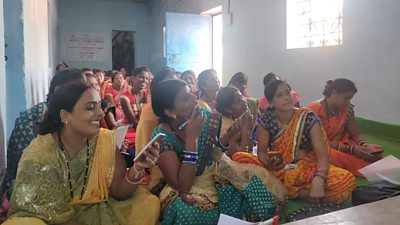
Digital Women’s Empowerment
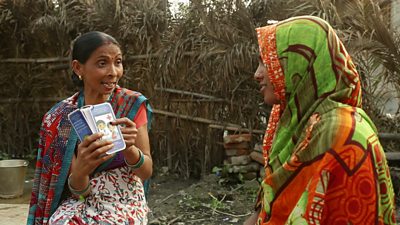
Through research and pilot initiatives, we are working with women's collectives in India to learn how digital technology can further empower women.
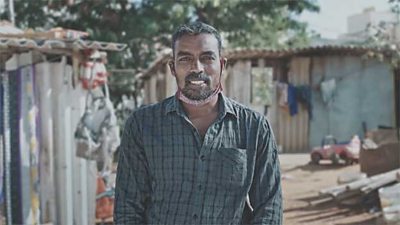
The ‘Invaluables’
Waste collectors work towards saving the environment by collecting, sorting, segregating, and recycling different kinds of waste. Yet, in India they remain invisible. By sparking a conversation through a unique social experiment, our latest project seeks to build recognition of the value they bring to people’s lives and our environment.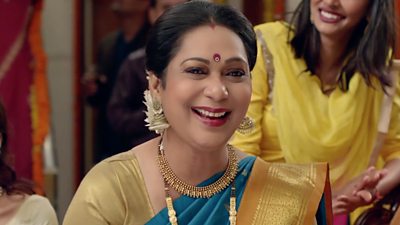
After Flushing: creatively tackling sanitation in India
In a global first, our creative team in Delhi are producing a tv drama on urban sanitation supported by a bold social media intervention to get people talking about what happens after flushing. Where does it go? Find out more.
Mobile messages giving newborn babies in India the best start in life
Kilkari is our award-winning maternal messaging service in India which helps to keep mothers healthy and give new-born babies the best possible start in life through the provision of accessible and timely health information.