Mongolia
Our pilot project in Mongolia supports local media partners to make programmes focused on the rights of girls and women
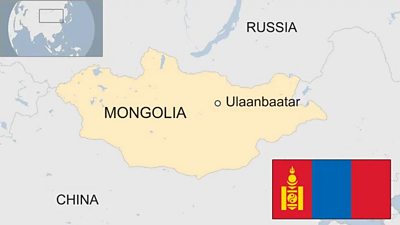
Office: Ulaanbaatar-based coordinator working with Mongolian local partners
Areas of focus: Media development, gender
Donor: Foreign, Commonwealth and Development Office
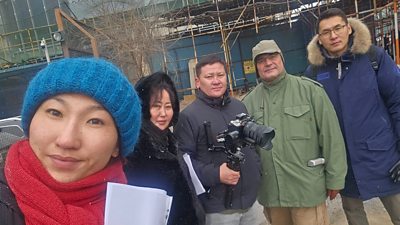
Our new pilot project in Mongolia is training local journalists in and near the capital, supporting their coverage of gender issues with in-depth, hard-hitting coverage - ranging from apartment scams to the rise in cases of the human papillomavirus (HPV).
We've matched up carefully selected media partners with BBC experts and mentors, and combined technical production training, including mobile journalism, film editing, creative storytelling and digital content production, with outstanding editorial practice and guidelines.
With our inaugural 'boot camp', we're laying the foundations for impactful and longer-term collaboration with independent, impactful local media.
We're working with three local partners: Graph, Urug.mn and Ub.life.
Meet our partners!
* Urug.mn is a mass-market news website with a significant Facebook following, focused on politics, economics, sport, investigations and current affairs. Urug.mn was founded by two women – a talk show presenter and an investigative journalist – who wanted to produce human-centred stories aimed at younger audiences and women; their website is among the top news sites in Mongolia. Their story focuses on the high prevalence of cervical cancer in Mongolia, and the low uptake on an HPV vaccine that has dramatically reduced incidences of cervical cancer elsewhere in the world.
* Ub.life blends news, culture, lifestyle, and long‑form storytelling, targeting young, urban, and globally aware audiences. Its style is narrative‑driven and visually rich, often exploring identity, creativity, and social change. Ub.life started as a magazine project in 2014 and has a licence from the New York Times to produce a magazine that is equal parts NYT and local content, including long reads focused on society and culture. For this series, they have focused on a champion female boxer, talking about the conditions she has faced and calling for reforms and fairer conditions for future generations of female athletes.
* Graph.mn is a data‑centric and visual storytelling outlet, producing impactful public‑interest journalism. Graph uses infographics and creative visuals to explain complex issues such as elections, mining, public spending and social inequalities. Editorially, it focuses on transparency, accountability and evidence‑based reporting. Following our training, they have produced a hard-hitting story about how families have put down large deposits on new-build flats that never materialised. Now the companies are bankrupt, their owners have left the country, and the families are struggling.
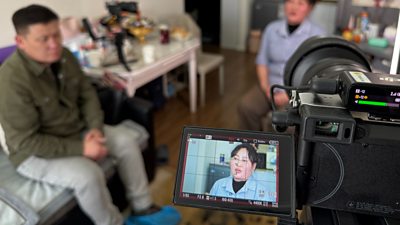
Graph.mn's editor, Enebish Gankhuyag, said:
"It was a privilege to receive guidance and support from such a strong and experienced team that shares its training and expertise internationally. Their valuable input played an important role in bringing this work to life. We released the film on International Women’s Day, and it has already been receiving very positive feedback and praise from audiences. This response clearly demonstrates the strong impact and effectiveness of the training we received.
"We are also highly motivated to apply the knowledge and skills gained from this programme in our future productions of a similar nature. ...In the past, we have not always had the opportunity to dedicate this level of time and structured preparation to productions of this kind. This experience, however, was both insightful and rewarding - organised, thoughtful, and remarkably smooth."

Other resources

Learn about our projects in