'Di gravest crime against humanity': Transatlantic slave trade kontris suppose pay compensation?
Wia dis foto come from, Getty Images
- Author, Fernando Duarte
- Role, BBC World Service
- Read am in 8 mins
Di United Nations General Assembly don approve a resolution wey declare slavery "di gravest crime against humanity". Di resolution also call for "di prompt and unhindered restitution" of cultural items. Dis go include artworks, monuments, museum pieces, documents and national archives - returning dem to dia kontris of origin without charge.
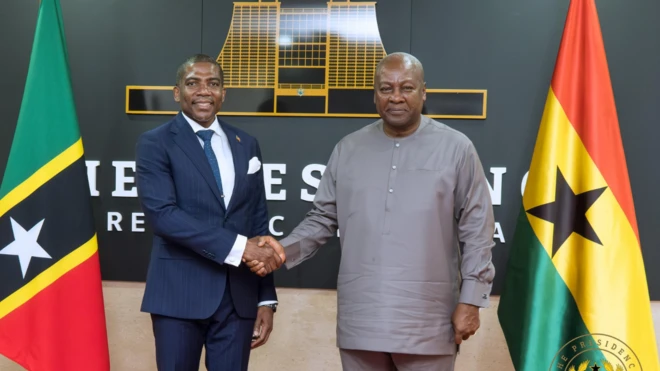
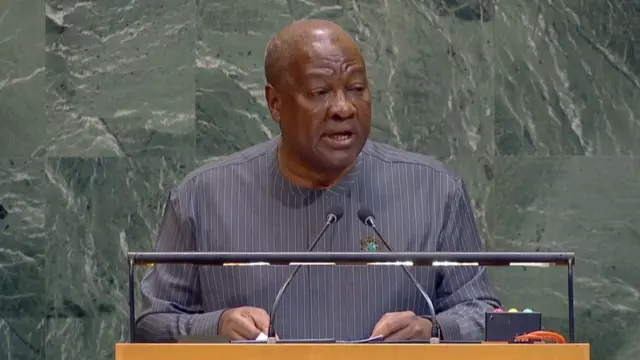
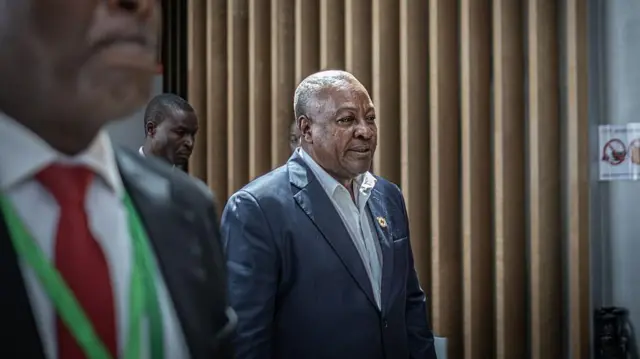
Na Ghana President John Mahama submit am and wit di support of di African Union wit di intention to provide way to healing and pay compensation, wey dem dey call reparations.
Di proposal dey adopted by 123 votes to three, while 52 kontries abstain including di United Kingdom and European Union member states.
Di United States, Argentina and Israel vote against di resolution.
"Di adoption of dis resolution dey serve as a safeguard against to forget," Mahama declare to di assembly.
Kontris wey dey affected by slavery don dey ask for reparations for more dan a hundred years.
But di debate don intensify in di 21st Century, particularly afta some nations and businesses wey historically gain from African slave labour formally gree say dem bin dey involved in di trafficking.
Wia dis foto come from, Anadolu via Getty Images
Wetin be slavery reparations and wetin be di case for dem?
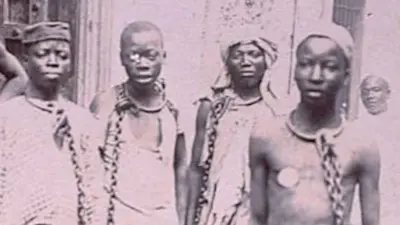
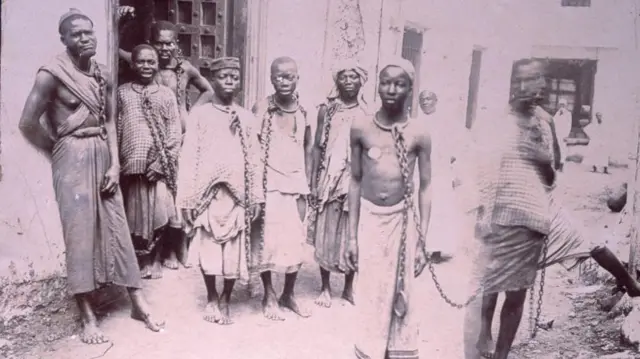
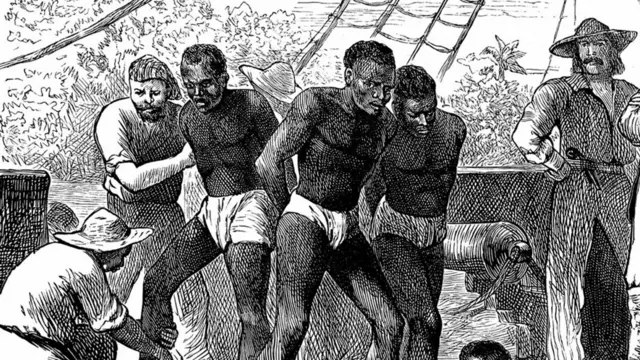
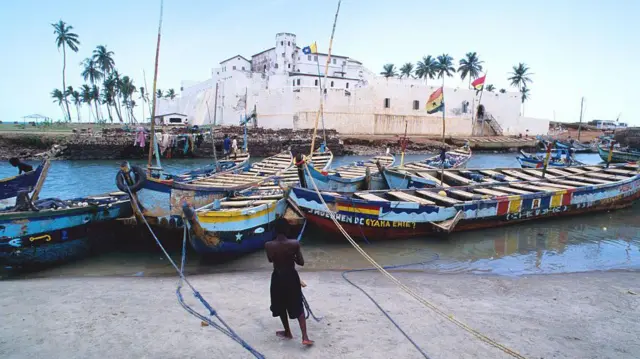
From di 15th to 19th centuries, around 12-15 million African men, women and children bin dey captured and trafficked to di Americas to work as slaves.
Dem send dem to colonies wey dey controlled by European kontries, such as Spain, Portugal, France and Great Britain. Two million pipo dey believed to don die aboard di slave ships.
Dem still dey feel di effects of centuries of exploitation till today. Kontris of origin and dos wey receive slaves experience pockets of socio-economic deprivation and racial segregation.
Reparations dey intended to work as a restitution – apology and repayment to black pipo wey dia ancestors bin dey forced into di slave trafficking.
Dis na di motion wey Ghana president dey ask UN member states to consider so dem go apologise for di slave trafficking and contribute to a reparations fund.
Wia dis foto come from, The Washington Post / Getty Images
Samuel Okudzeto Ablakwa, Ghana foreign minister, tell BBC Newsday programme: "We dey demand compensation - and make we dey clear, African leaders no dey ask for money for demsefs.
"We want justice for di victims and causes to dey supported [and] educational – and [we want] endowment funds, skills training funds."
But Esther Xosei, a British scholar, activist and leading figure for di global reparations movement, show some doubt about di possible impacts of di resolution.
"E dey encouraging to see say African nations dey take centre stage for dis discussions, but dem no go wine hearts and minds for di UN," she believe.
"Di real battle go dey on di streets, wia pipo still dey misinformed about history."
Wia dis foto come from, United Nations
E get a historical precedent for reparations?
Yes - di most popular reparations case involve Germany. Since 1952, di European nation don pay more dan $80 billion to Jewish victims of di Nazi regime, including payments to Israel.
But so far, no kontri don eva pay slavery reparations to descendants of enslaved Africans or affected African, Caribbean and Latin American nations.
Even nations wey don formally apologise for dia role in slavery, like di Netherlands for 2022, don rule out direct financial reparations to slave descendants.
Di Dutch govment instead bin establish a $230m million fund for "social initiatives and projects to address di legacy of slavery".
"Di most important tin to understand na say nobody dey try to change di past, but na to address di consequences in di present," na so Dr Celeste Martinez, a researcher wey dey specialise in Spanish colonialism in Africa tok.
"Slavery legacies still dey endure today in di shape of racism and inequality. Recognising di past dey crucial if we want fairer and more democratic societies."
Wia dis foto come from, Universal Images Group via Getty Images
Wetin dis UN decision fit change?
Di UN itself don publicly support reparatory justice. For one September 2025 statement, di High Commissioner for Human Rights, Volker Türk, go further, to say such justice must include "reparations in various forms".
However, di UN Assembly, wia all 193 member kontris get one seat and one vote, bin neva vote or pass a resolution on such terms.
Di general assembly no fit impose reparations, but e fit give di cause political legitimacy.
"Dis already na a huge and significant step in political terms to get dis kain debate for di UN," na so Almaz Teffera, a senior researcher on racism at Human Rights Watch tok.
"E dey open an avenue for state-to-state engagement on issues of reparations and more chance of progress on discussions."
Wia dis foto come from, AFP via Getty Images
How much money we dey tok about?
One of di most discussed aspects of dis repairs na who suppose pay di bill - and how much.
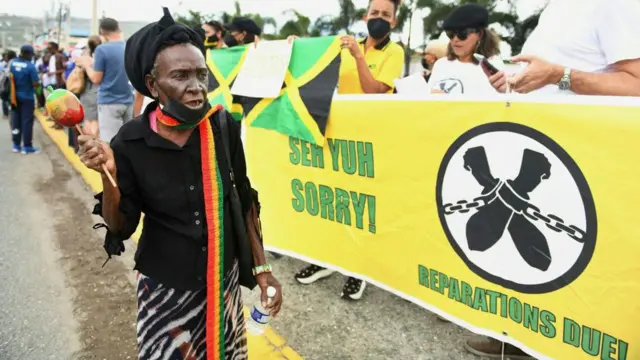
Calls dey made to companies, institutions and families wey bin own slaves to pay compensation. But in most proposals, responsibility dey stop at di govment level. For 2013, Caricom – a bloc of 15 Caribbean nations – bin issue a ten-point Plan for Reparatory Justice.
Di proposals go from foreign debt cancellation to investment in illiteracy eradication and public health.
For 2023, di bloc bin present a study wey claim say di 15 Caribbean nations bin dey owed at least $33 trillion from former colonising nations.
"Di state always dey guilty, becos na im create di environment wia individuals, institutions and businesses participate in slavery and colonialism," na so Verena Shepherd, professor for di University of di West Indies and vice-chair of di Caricom Reparations Commission tok.
Wia dis foto come from, Ullstein Bild via Getty Images
In di same year, Patrick Robinson, one leading judge for di International Court of Justice come up wit an even bigger figure - $107 trillion wey dey collectively owed by 31 kontris, including nations like Brazil and di US, wey benefit from slave labour after dem become independent from Portugal and Great Britain.
One of di main problems concerning reparations for slavery na di passage of time. Most previous cases – such as payments to Holocaust victims – bin dey resolved while di survivors bin still dey alive.
E go without saying say di calculations always dey complex - and often disputed.
Legal expert Luke Moffett, a lecturer at Queen's University Belfast, believe say dos figures simply no dey enforceable.
"Legally, na a huge mountain wey pesin no fit climb, but dat wan no mean say di parties involved no fit sidon and negotiate," e tok.
Wia dis foto come from, AFP via Getty Images
Wia di apologies dey?
Campaigns like di one Caricom do no dey only focus on finances. One of di bloc main complaints na say most kontries wey benefit financially from slavery neva issue official apologies.
"Di healing process for di victims and dia descendants require say European govments go issue sincere formal apologies," Verene Shepherd tok.
"Some instead issue statements of regret. Dis statements [imply] say di victims and dia descendants no deserve apologies."
Sara Hamood, a Human Rights Officer for di UN Office of di High Commissioner for Human Rights (OHCHR), say such acknowledgment na a crucial part of any restorative justice process.
"Di financial side na just part of am. We don repeatedly tok say no kontri don fully see di legacy of slavery or truly account for di impact e get on di lives of pipo from African descent," she argue.
"Formal apologies, truth-telling and education all na part of a wide range of measures."