Influenza
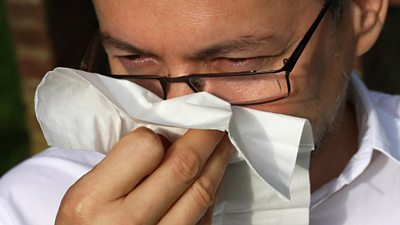
A guide to influenza, or 'flu', for individuals seeking general advice or during an epidemic or pandemic situation.
Updated: 20 August 2024
What Can Go Wrong?
General Hazards
- Influenza is a virus infection that causes outbreaks of respiratory illness in humans.
- Normally influenza activity increases during the winter months and some years this activity can be higher than others. Many of the human influenza viruses originate in animals such as birds, pigs etc. and, when some of these strains mutate in certain ways they are able to infect humans and cause disease because of no past immunity in the population.
Symptoms
- The symptoms of influenza are a sudden onset of a high fever, chills, a cough, sore throat and muscle aches and pains. The incubation period is normally 2-3 days and you are infectious for about 5 days after you develop symptoms.
Legal/BBC Requirements
- If you are suffering with ill health and are involved in cooking food or working with vulnerable people such as children or elderly people, then you may need medical sign off from your local GP.
Control Measures
General Controls
- Be aware of how influenza spreads. This is by airborne spread from coughs and sneezes and by contact with surfaces and subsequently touching your face, eyes or nose.
- Wash your hands regularly and thoroughly, especially before eating, drinking or touching your face e.g. putting on make-up.
- Keep a good distance from infected individuals – at least 2 metres.
- Pay attention to hand hygiene if you are shaking hands or have physical contact with individuals.
- Simple cleaning of surfaces with normal household cleaning products and allowing the surface to dry is very effective in destroying the virus.
- Don't allow germs to spread – Catch it! Kill it! Bin it! If you do contract influenza then keep warm, go to bed, drink plenty of fluids and take painkillers or proprietary flu remedies such as paracetamol. Take only the recommended dose.
- See our Safety Short on Influenza in the UK (Useful Documents).
Division Specific Issues
- No division specific issues.
FAQs/Did You Know?
- Although you do see people wearing them, masks really offer little protection to infection.
- Influenza virus can survive and remain infective for up to 24 hours on hard surfaces, but only 8 hours on cloth, paper or tissues.
- Door knobs, handles and lift buttons touched by many people during the day are prime sources of the virus – so wash your hands regularly.
- Alcohol wipes are a more convenient way of quickly dehydrating the virus and deactivating it on surfaces.
- You should have a flu vaccination if you fall into the government’s at-risk group of individuals described on the NHS Seasonal Flu Jab page.
- During a pandemic pregnant women can be at particular risk so you should discuss vaccination with your GP.
Useful documents
Influenza in the UK - Safety Short[BBC Network only]
Recommended links
- BBC Occupational Health Services[BBC Network only]
Disease topics

Disease and Contact with Viruses and Bacteria
A guide for anyone deployed to areas where there is risk from infectious disease from human, animal, insect or parasite sources, including zoonoses.

Disaster Coverage - Health Aspects
A guide to health risks when visiting areas subject to natural or man-made disasters.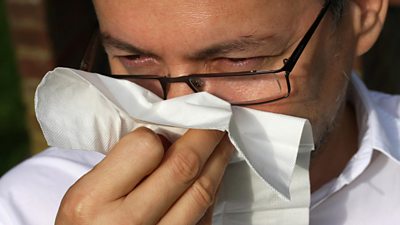
Influenza
A guide to influenza, or 'flu', for individuals seeking general advice or during an epidemic or pandemic situation.
Pregnancy
A guide to health and safety considerations for pregnant and nursing mothers.