Security on Location
This Security Guideline provides measures to help mitigate the security threats associated with production activities on location, including door-stepping, covert filming, working with crowds and public order issues.

Managing Security Risk - General Requirements
When considering security measures for production teams working on location, those in control of activities need consider the following:
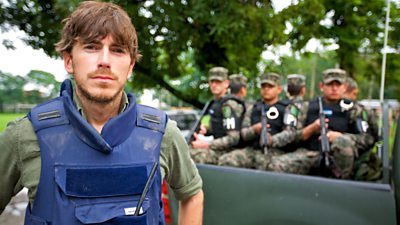
- Hostile Environment Country Pages (Gateway Link)- should be consulted to identify personal security risks when travelling to countries designated as either 'hostile' or 'travel advisory' under the High Risk Guide (HRG)
- VIP Security - consider the specific risks and precautions required for any VIPs or other Persons at Risk on their production
- Buy, Book, Order - covers professional security companies, but production teams will likely find Engaging Personal Security Agents and Backwatching gives all of the information they need
- Lone Working - requires producers / deployers to be able to justify the additional personal security risks associated with any proposed lone working on location
- Personal Security - Taking Precautions and Dealing with Violence - where the need arises, individuals who may be at particular risk of violence through the course of their work (e.g. on covert operations, door-stepping, working in crowds, etc. – see below), should be able to recognise the signs of hostility in others and the measures to take to diffuse or avoid confrontation
- Personal Security - Travel - for those travelling overseas, consider local transport use, hotel selection and what to do in case of a major incident, and how to safely collect and carry significant sums of money.
Door-Stepping
‘Door-stepping’ is a term used to describe an attempt to record or film an interview from a contributor without prior arrangement or agreement. This can present significant personal security risks if the individual concerned reacts adversely to this approach.
To minimise the personal security risks in these situations, those who deploy others to conduct door-step interviews must:
- Adhere to BBC Editorial Guidelines for working with contributors, including trying to arrange a formal interview at an agreed time and place
- Find out as much as is practical regarding the character of the person to be interviewed, and any others likely to be present, with regard to the threat they may pose to team members
- Where a normal interview approach has been rejected or is not practical, plan the door-step interview through normal risk assessment processes, including providing adequate justification for any risks to be taken
- Where the threat of violence is considered to be significant, there must be no lone working and backwatching options must be considered in the planning process.
Covert Filming
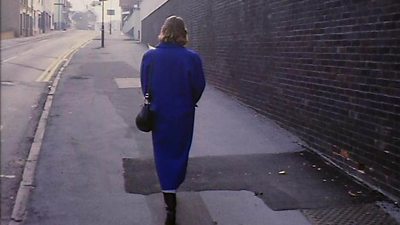
Covert filming is a term used to describe the capture of recorded or filmed material without the knowledge or consent of those involved. This means its use must be managed against editorial and security guidelines where the need for it has been adequately justified. The risk of discovery can present significant safety and security risks to those involved.
To minimise these risks, those who wish to deploy others to conduct covert operations must:
- Find out as much information as possible to enable a suitable assessment of the security risks involved – for example, including knowing the identities of those being filmed, the criminal nature of the activities being exposed, the layout of the location and the role to be played by undercover journalists
- Plan the operation through normal risk assessment processes, including providing adequate editorial justification for any risks to be taken
- Ensure that, where the threat of violence is significant, lone working is not permitted (see above) and back-up emergency procedures are in place which can give appropriate support and/or summon Police assistance
- Seek prior approval from BBC Editorial Policy that the covert filming plan meets relevant requirements of the BBC Editorial Guidelines
- Seek prior approval and sign-off from an appropriate Senior Manager.
Working with Crowds
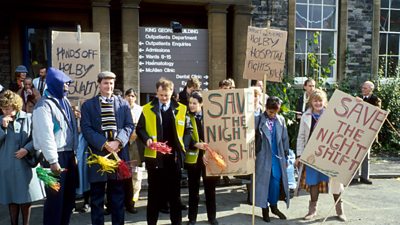
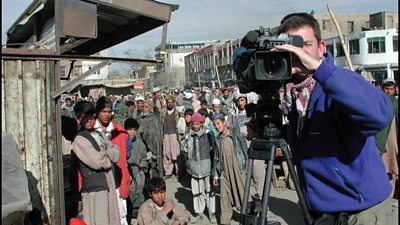
Crowds come together for a variety of reasons, from friendly audiences at sporting and music events, to organised demonstrations, protests and riots. Most crowds we work with will present few, if any, personal security threats, but occasionally they can turn violent and public order issues ensue.
To minimise the personal security risks when working in and around crowds, those who deploy others must:
- Determine the size and make-up of the crowd, and the likelihood of violence occurring
- Liaise with relevant local authorities, event managers and others to understand the proposed security arrangements on location and how these might protect our team
- Provide a risk assessment / deployment plan which assesses the risks and explains the security measures provided, including for emergencies
- Engage appropriately experienced and trained team members to carry out the work, ensure they are well briefed, suitably equipped and give their consent to carry out the work
- Monitor the situation on location to ensure plans are being followed and the security of the team is being adequately managed.
Demonstrations, Protests and Crowds Outlines practical measures to take when working with crowds.
Division Specific Issues
- Incorporating Radio OB MS M001-16 Personal Safety (also see Useful documents)
Useful documents
Engaging Personal Security Agents - Safety Short[BBC Network only] Personal Safety at Events[BBC network only]
Recommended links
- BBC Safeguarding TeamAccessible on Gateway
- BBC Security TeamAccessible on Gateway
Personal security topics
Security (Personal)
Measures you can take to help protect yourself
Security (on Location)
Advice for maintaining security on productions
Covert Filming
A guide to a genre of programmes which involve investigative journalism, surreptitious and covert filming or recording, creating potential personal security risks.
Courts of Law
A guide to working in, outside or, around courts following a news story.