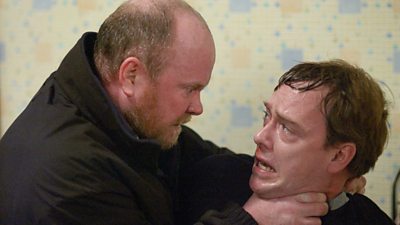
Violence and Aggression
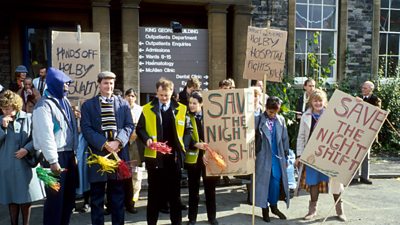
Most broadcasting activities involving members of the public are relatively good natured and low risk in relation to violence and aggression. However, tensions can be raised for example, when dealing with an emotive subject, reporting at demonstrations, asking uninvited contentious or challenging questions or, reporting on a harrowing story.
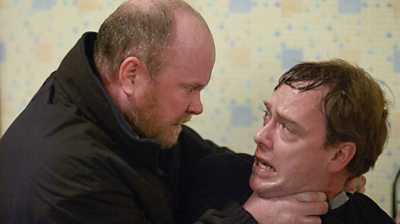
Some sports events can also attract certain elements that enjoy violence and confrontation. Alcohol and drugs can also play a part in aggression at many events.
Good planning and understanding of the background to the event and team dynamics can lower the risks for productions. Foreseeable violent situations should be discussed with your Safety Adviser or if required, the Corporate Security Team or the High Risk Team. Where violence is expected, you can refuse to cover a story. If you decide to proceed, then a separate risk assessment is likely to be required approved by a senior manager.
What Can Go Wrong?
- Injury from being punched, pushed to the ground, hit by a flying objects or a missile and being attacked with weapons.
- Threatening or abusive words or behaviour which may be distressing or cause fear and anxiety.
- Theft.
Legal/BBC Requirements
- A separate risk assessment may be required with sign off at a senior level and discussions with Editorial Policy where there is a foreseeable risk of violence eg, riot, door step, covert filming etc.
Control Measures
General Controls
- Consider likelihood of violence and aggression based on type of activity, those involved, background, previous history, location, time of day, political situation etc and make plans accordingly.
- Speak to local safety adviser, Corporate Security & Investigations, High risk Team, Local Authority, Police and Emergency Services and any other relevant authorities for latest advice.
- Consider where appropriate to locate crew, vehicles and equipment to minimise risk.
- Brief staff ahead of deployment with all the essential information.
- Staff covering civil disturbance or riots should be properly trained and experienced eg, public order course or working in crowds if inside a ground.
- Consider the age, experience and training of the crew selected
- Good communications between the team, base and emergency services are essential. Do they work? What alternative means of communication do you have?
- Ensure you have fall-back or emergency plan including who to contact should something untoward happens or where to meet if something happens.
- Consider safe vantage points where you can get your material but not be exposed.
- Ensure staff have adequate breaks and are not working excessive hours.
- Consider welfare arrangements – suitable toilets, somewhere to get hot food or a drink etc.
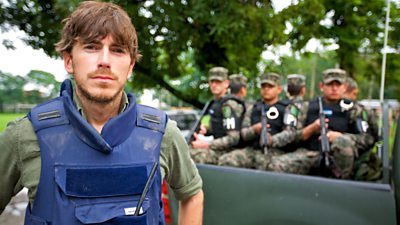
- Based on the activity what Personal Protective Equipment is required eg, stab jacket, riot helmet, suitable footwear, cold or wet weather clothing.
- Staff must not be sent to foreseeable violent situations on their own.
- Withdraw to a safe area if faced with aggression or if weapons appear and inform your deployer.
- Arrange a security back-watcher / second person if required through the Safety Advice Line: +44 (0) 370 411 0464 or via pre-vetted security providers on gateway procurement site.
- Be aware when using expensive equipment especially laptops, cameras, iphones etc and avoid taking unnecessary valuables, sensitive documents and equipment into the field.
- If threatened by criminals – hand over the BBC kit. People are more important than property.
- Ensure you keep your news desk, deployer or line manager up-to-date especially if situation changes.
- Consider need for staff to have access to occupational health support services if exposed to unsavoury or disturbing sights.
- Safety equipment is available from the Safety Equipment Store in London and can be ordered where needed. Riot kits and grab bags are available locally in most locations.
Division Specific Issues
- Incorporating Radio OB MS M001-09 Personal Safety.
FAQs/Did You Know?
- No FAQs
Recommended links
- Corporate Security[BBC network only]
- Corporate Investigations[BBC network only]
Personal security topics
Security (Personal)
Measures you can take to help protect yourself
Security (on Location)
Advice for maintaining security on productions
Covert Filming
A guide to a genre of programmes which involve investigative journalism, surreptitious and covert filming or recording, creating potential personal security risks.
Courts of Law
A guide to working in, outside or, around courts following a news story.