Bushfires
Guide to reporting Australian Bushfires
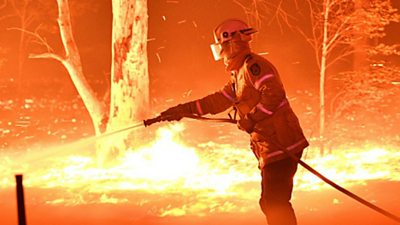
Bushfires are made up of multiple fires and can be very unpredictable. You must make contact with emergency services and follow their instructions at all times – do not go off by yourself. Do not get close to the fire if it is unsafe. Wind directions can change quickly so make sure you keep up to date with weather forecasts. Ensure you have good comms in place and somebody knows where you are at all times.
Personal Protective Equipment
It is highly likely that you won’t be allowed to get close to the bushfires without having the appropriate PPE. This list of PPE is dependent on which state you are visiting but it will probably look something like this:-
- Proban-treated yellow media wildfire jacket and pants
- Yellow helmet with the word 'Media' on the side
- Gloves
- Goggles
- Sturdy, high ankle footwear
- A face mask.
There are local supplies for this kit but it is now known that it is quite difficult to get now and you may want to source it all before you go. Try contacting the Safety Equipment Stores SafetyEquipmentStores@bbc.co.uk to see what they can help with.
Kit List
In addition to the above PPE it is advised that you take the following with you:-
- Water – and lots of it. The temperatures are expected to be very high in the coming weeks and you will need to drink more than 2L per day to stay hydrated.
- Food supplies. Many communities have been cut off by road and you will need to take your own supplies with you.
- First aid kit (including a burns kit)
- Sun cream and sun hat
- A portable radio and batteries
- A torch and batteries
- Woollen blankets
- All of your clothing should be made out of natural fibres. Things that are good include long sleeve cotton shirts, jeans, woollen jumpers and socks. Do not wear fleece, gortex or synthetic fibres.
- Petrol – petrol is running low in some areas. So try to keep the tank full and fill up when you can. Diesel is being kept for fire trucks only in some areas.
Risk Assessment
You will need to complete a production risk assessment if deploying to the Australian Bushfires. This can be found here - http://downloads.bbc.co.uk/safety/documents/resources/forms/safety-risk-assessment-apr17.doc
You will need to include details of where you are staying, your local fixer/contacts, call in procedure etc.
In Need of Medical Assistance?
In case of a medical emergency overseas, please contact Healix International. The BBC dedicated number is: (44) (0)20 800 80111
Smoke Inhalation
- Long term problems are unlikely from short term exposure but there are things you can do to limit the exposure.
- Using a good quality particulate face mask like the FFP3 (available from Safety Equipment Stores SafetyEquipmentStores@bbc.co.uk).
- The smoke can also irritate eyes. So consider goggles to help with this. Also eye drops (over the counter type from Boots) will also help.
- Do not deploy those with existing respiratory conditions.
- No one should feel forced to cover the story if they have misgivings about smoke inhalation.
- If people have ongoing symptoms when they return to the UK then their manager should refer them to Occupational Health.
What to do if you get caught in a bushfire while in the car
- If you can, U-turn to safety and leave the area
- Do not get out and run - stay in the vehicle
- Park in a large clear area, away from trees and long grass
- Turn on headlights and hazard lights
- Close windows and vents. Get below window level
- Cover exposed skin with a dry woollen blanket
- Cover windows with a woollen blanket too if possible
- Wear dry, natural fibre clothing
- When the fire has passed, get out of the car.
What to do if you get caught in a bushfire
- Try and move towards built up areas and towns.
- Try to locate your nearest Neighbourhood Safe Place
- If you’re unable to shelter in a building – as a last resort options include:-
- In the middle of a large open area like a ploughed paddock or football field
- Behind a rocky outcrop or high wall, in a cave, gully or large animal burrow
- Get into a large body of water like a dam, lake, ricer or underground swimming pool (not an above ground one).
- And try to protect yourself from the fires heat with dry natural fibres
- Avoid slopes and hill tops - avoid being above a fire.
Mental Health
Don’t forget to look after your mental health and those of others. Covering any natural disaster can be traumatic. There’s a range of information, guidance and contacts on the BBC News Trauma site - https://staff.bbc.com/gateway/teams/news/need-to-know/health-safety/trauma/
Feel free to contact EAP 24 hours a day, all year round on 0800 042 0140 or +1 312 535 3119 internationally.
The Dart Centre have also compiled a helpful list of resources and tips for covering the Australian Bushfires here:- https://dartcenter.org/blog/2019/12/bushfires-blaze-across-australia-tips-covering-disaster
For further advice, please contact the BBC Safety Advice Line Safety@bbc.co.uk or Safety High Risk SafetyHighRisk@bbc.co.uk
Australian Bushfires - Safety Sheet
- Australian Bushfires - Safety Sheet[BBC Network only]
Fire topics
Building Fire Manual
Sets out the recommended contents of a building fire manual to be kept in each premises.
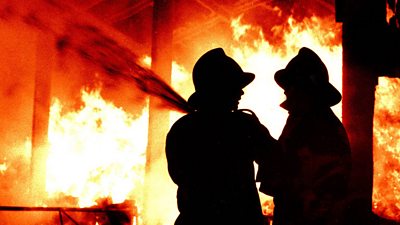
Fires - Buildings and Bushfires
A guide to deployments of journalists and crew to large building fires and bushfires.
Fire Precautions for Studios
Guideline describing the main fire safety issues to consider when working in studios, including fire treating of sets, audience seating, cooking risks and smoking on set.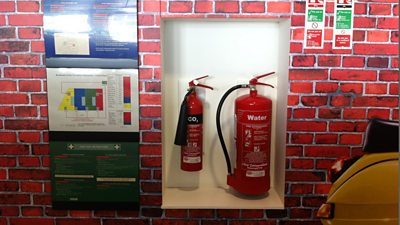
Fire Prevention Principles
The most important element of Fire Safety is fire prevention