The importance of storytelling is a key theme that binds all those that have worked on Horizon over the past 50 years, but how those stories are told has changed over the decades. When John Lynch joined Horizon in the 1970s, simply revealing how something 'worked', without necessarily telling any ‘story’ as such, provided sufficient interest for audiences.
Establishing a relationship with the scientific community has always been important to the various Horizon teams over the years. Trust in what the BBC does generally has opened many doors to researchers, and areas of scientific controversy have become accessible, sometimes during the production of a Horizon programme.
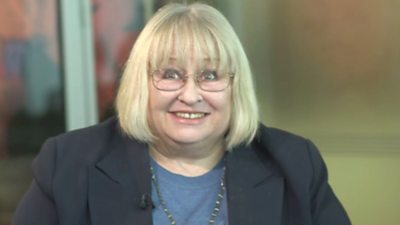
John Lynch explained the highly diplomatic role of the Horizon producer; skills still much in evidence amongst programme makers today.
Interviews

Peter Goodchild
After having trained in studio direction Peter Goodchild (the longest surviving editor of the programme) was asked by Aubrey Singer, then Head of BBC Science and Features, to make a choice. Did he want to be an educationalist or an entertainer for the rest of his BBC career?

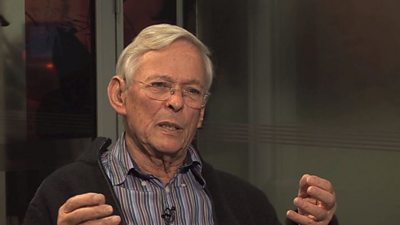
Alec Nisbett
Alec Nisbett, has been described by fellow programme makers as ‘the quintessential Horizon producer’, never shying away from putting hard science on TV.
Deborah Cadbury
The first programme Deborah worked on for the BBC was on a series which was something of a training ground for many a Horizon producer, Tomorrow's World (BBC: 1965-2003). She won many awards for her work on Horizon including Emmys and BAFTAS.
Simon Campbell-Jones
Simon’s first film for Horizon was broadcast in January 1969, and was called The Miraculous Wonder: the Human Eye. Narrated by Christopher Chataway, the programme asked if human eyes “were windows to your soul, the receiver of irrelevant information, respectable substitutes for sex, something like footballs? Or a piece of the brain looking out at the world?”