With a large team of directors, producers, production assistants, and researchers, keeping Horizon on schedule and within budget was no mean feat.
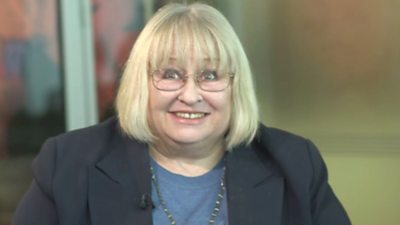
Unit Manager Sarah Carr had the mammoth task of keeping the Horizon ship afloat, which she did with wit, charm and firmness! Dave Ziegler the Horizon Film Operations Manager christened Sarah with a somewhat sexist title: ‘the unit mistress’. By the early 1970s, the television industry was heavily unionised. Sarah, recalls her robust dealings with camera crews at the BBC’s film unit at Ealing.
Stereotypically, the TV industry is known for big budgets and big egos. Sarah couldn’t control the egos, but she did control the Horizon budget, and made sure every penny was accounted for. Far from being big spenders, Horizon, during Sarah’s reign, was thrifty and disciplined – woe-betide any producer that went over budget!
Interviews

Peter Goodchild
After having trained in studio direction Peter Goodchild (the longest surviving editor of the programme) was asked by Aubrey Singer, then Head of BBC Science and Features, to make a choice. Did he want to be an educationalist or an entertainer for the rest of his BBC career?

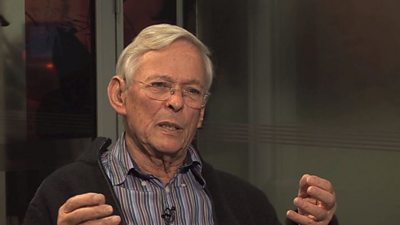
Alec Nisbett
Alec Nisbett, has been described by fellow programme makers as ‘the quintessential Horizon producer’, never shying away from putting hard science on TV.
Deborah Cadbury
The first programme Deborah worked on for the BBC was on a series which was something of a training ground for many a Horizon producer, Tomorrow's World (BBC: 1965-2003). She won many awards for her work on Horizon including Emmys and BAFTAS.
Simon Campbell-Jones
Simon’s first film for Horizon was broadcast in January 1969, and was called The Miraculous Wonder: the Human Eye. Narrated by Christopher Chataway, the programme asked if human eyes “were windows to your soul, the receiver of irrelevant information, respectable substitutes for sex, something like footballs? Or a piece of the brain looking out at the world?”