Water and Waste Water Management
This guidance provides information on how to manage water and waste water arising from BBC activities in order to ensure good environmental practice and compliance with relevant legislation.
Updated: 9 August 2024
Waste for the purposes of this guide is any product that is discarded or disposed of, including paper and other materials that are destined for recycling.
- Water and waste water is defined as water supplied from mains systems and waste waters arising from both fixed and mobile operations.
- This Water Management Standard establishes the minimum operating standards that must be applied at all sites and the legal issues you must be aware of. If you have any queries relating to this Standard then you should contact the Safety Advice Line.
Pollution prevention measures that you should adopt include:
- Checking whether there is any surface or ground water where you are working and obtaining and following expert advice on what can and cannot be done.
- Keeping activities, oil, chemicals, vehicles, plant and equipment away from surface waters.
- Using, abstracting or pollution prevention measures when disposing of water or wastewater to remain compliant with the authorities.
- Designing and setting-up appropriate drainage systems.
- Installing water efficient devices such as low-flush toilets and low-flow taps and showers.
- Identify activities that will use or discharge water or that may affect water quality through the SafetyHub assessment process.
- Seek to change or control activities to reduce the need to use or discharge water and/or to prevent the effect on water quality.
- Consult with the relevant environmental regulator where necessary to obtain consents and agree water use and pollution prevention measures.
- Control activities and implement water use and pollution prevention measures, and monitor their effectiveness, particularly during water restrictions.
What Can Go Wrong?
- Establish a prioritised list of hazards. (If complex break into before / during / after the activity) with the most significant first.
- Water and waste water if not managed correctly can have a number of environmental impacts as a result of its use and disposal.
- Excessive unmonitored potable water use is both costly and wastes a resource which is energy intensive in its production.
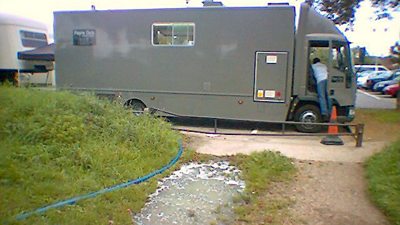
- Waste water from washing operations, catering trucks or vehicle washing can result in the pollution to water courses if not managed correctly.
- Waste waters may require consent for its disposal which if not obtained prior to an activity commencing can result in prosecution.
Legal/BBC Requirements
- All waste water from activities such as catering, vehicle washing and floor washing must either be disposed of to a foul sewer with the appropriate consent or stored in a suitable bowser for disposal as liquid waste [see waste management].
Control Measures
Water Use
- All potable water supplies on BBC premises must be via a metered supply linked to the BBC’s utility monitoring service.
- High water consuming activities such as catering and gyms etc must be monitored via automatic meter reading equipment.
Waste Water
- All waste water from vehicle washing, catering and other related activities must be disposed of via foul sewer.
- All waste water from special effects must be disposed of to foul sewer or stored in a bowser for disposal as liquid waste.
- Car park and other related run off must be disposed of to surface water drainage via an interceptor.
Consents
- Trade Effluent consents must be in place for any trade activity generating waste water on a BBC premises.
- Trade Effluent includes vehicle washing, washing of buildings external areas etc.
- Discharge consents must be in place for treated water to be disposed of to surface waters etc.
Division Specific Issues
Production, Events and Radio
- Waste water generated by special effects and catering vehicles must either be disposed of to foul sewer or to a bowser for disposal as liquid waste.
- Liquid paint waste from floor washing must have consent in place before disposal into a sewer.
Workplace
- Trade Effluent and Discharge consents must be obtained for vehicle washing, paint washings and industrial cleaning of buildings.
FAQs/Did You Know?
- No FAQs/Did you know items.
Recommended links
- BBC Workplace - Sustainability [BBC Network only]
- Sustainability(BBC Network only)
Water topics
Water: Working On or Near
Guidance to working on or near water.
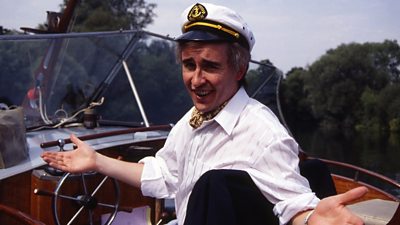
Boats: Working on
A guide to working and filming from boats.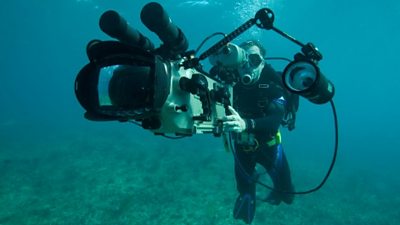
Diving
A Guide to Scuba Diving and free Diving in both open water and pools.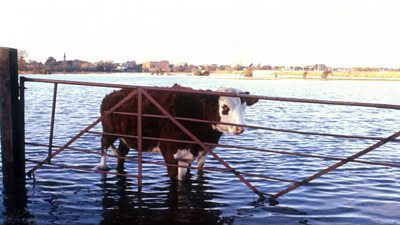
Floods and Coastal Surges
A guide to inland floods.